Lithuania 2019 – 2021

Critical thinking in the English lessons

In February Year 8 students discussed the most common problems of our city what each of them could do to improve life in the place they live in. Later they had to choose a topic and to write an essay. The students used Conditional type 2 sentences and their own ideas to give solutions to the problem. 

How we can make our shopping more environmentally friendly

Essay by Liepa

Class 8D

For the past 70 years our environment has changed. It includes transportation, production, convenience and especially marketing, shopping. When we think about the word shopping, we do not only imagine the latest item we have bought. We also imagine the packaging it comes in.

One of the biggest problems is clothing. The stores that are in big shopping centers order clothes from bigger companies. This transportation must fold, pack the objects into wrapping paper. It contains plastic, cardboard and other materials that are evil for our planet. But there is always a way out. If WE ordered the clothes ourselves, the companies would use less materials.

 Another problem is plastic. Why do we use plastic bags when we are shopping for food? The answer is simple – it’s easier to bring it back home. But what we don’t think about is that plastic is one of the worst planet’s enemies. If we used reusable bags, we would help our planet a lot.

Also, there are farmers’ markets. We usually forget about them or don’t shop there because it takes more time and we rather go to stores. But what we don’t think about is how environmentally friendly these markets are. The products that are being sold there come in more environmental way and people support this “save our planet” idea. If we went shopping there, we would save all these necessary things that are used in stores.

In my opinion, if we concentrated on the place we live in, we would respect it more and would start making moves. We must take our daily habits into consideration and change them into something more responsible

What we can do to reduce traffic

Essay by Neringa

Class 8D


      Traffic congestion is a big problem in cities all over the world. Many people struggle getting to work in time because of this problem. So how can this problem be solved?

      The easiest way would be using public transport more often. If home and work are easily accessible by public transport, it should be used instead of cars. If we used public transport, we would be able to relax, read or nap instead of fighting and feeling the road rage.

      There is a healthier way to this by buying a bike or just walking to your destination. Unfortunately, this is not acceptable for everyone, because people are used to comfort.

      The construction of road infrastructure and bypasses would reduce the green spaces surrounding the city, so this solution has both pros and cons.

      In order to improve the daily operation of the roads, the help of the residents is necessary.

Life on Mars. Problem Solving.

In  January 6th class students created mind maps, raising and solving the problems people would face while establishing a base on Mars. By analyzing the conditions necessary for life and comparing it with the conditions in outer space and on the planet Mars, students developed their critical thinking and learned how to solve emerging problems. The task helped students understand the importance of caring for the Earth’s ecological situation.

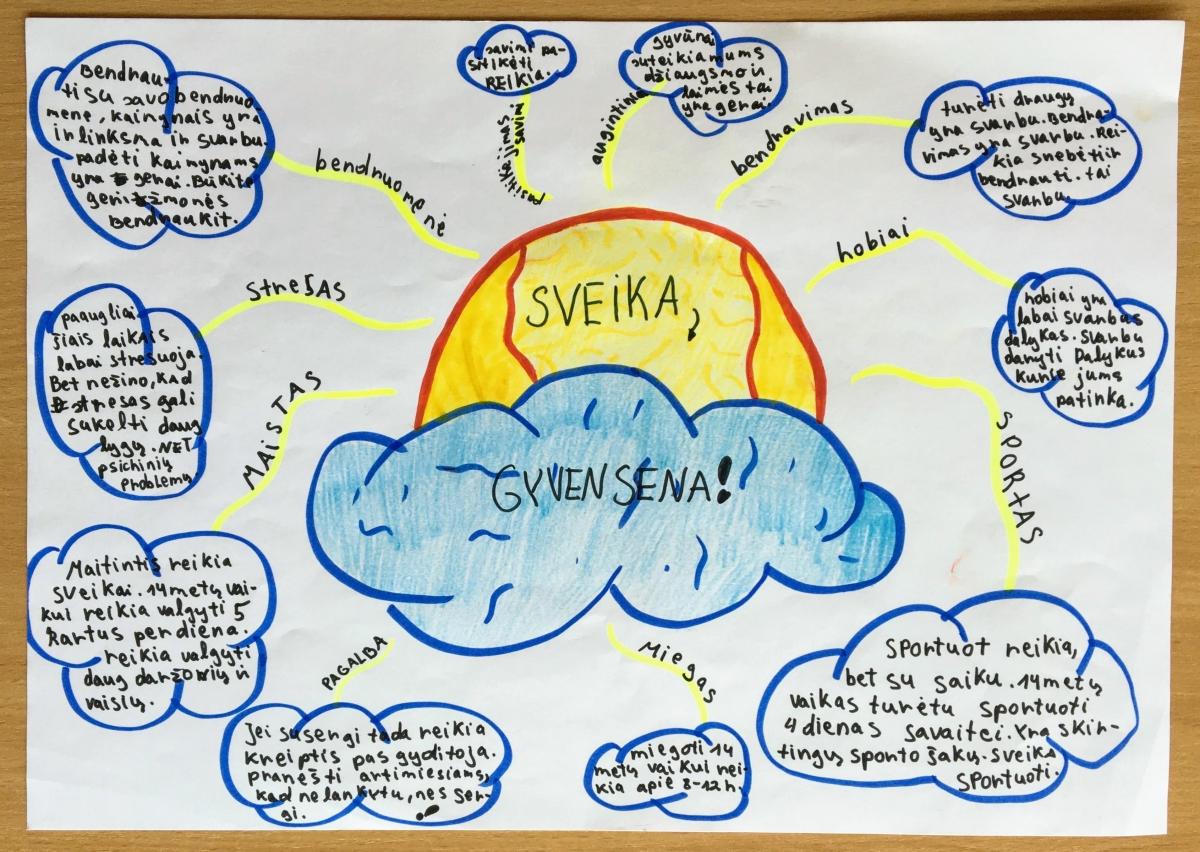
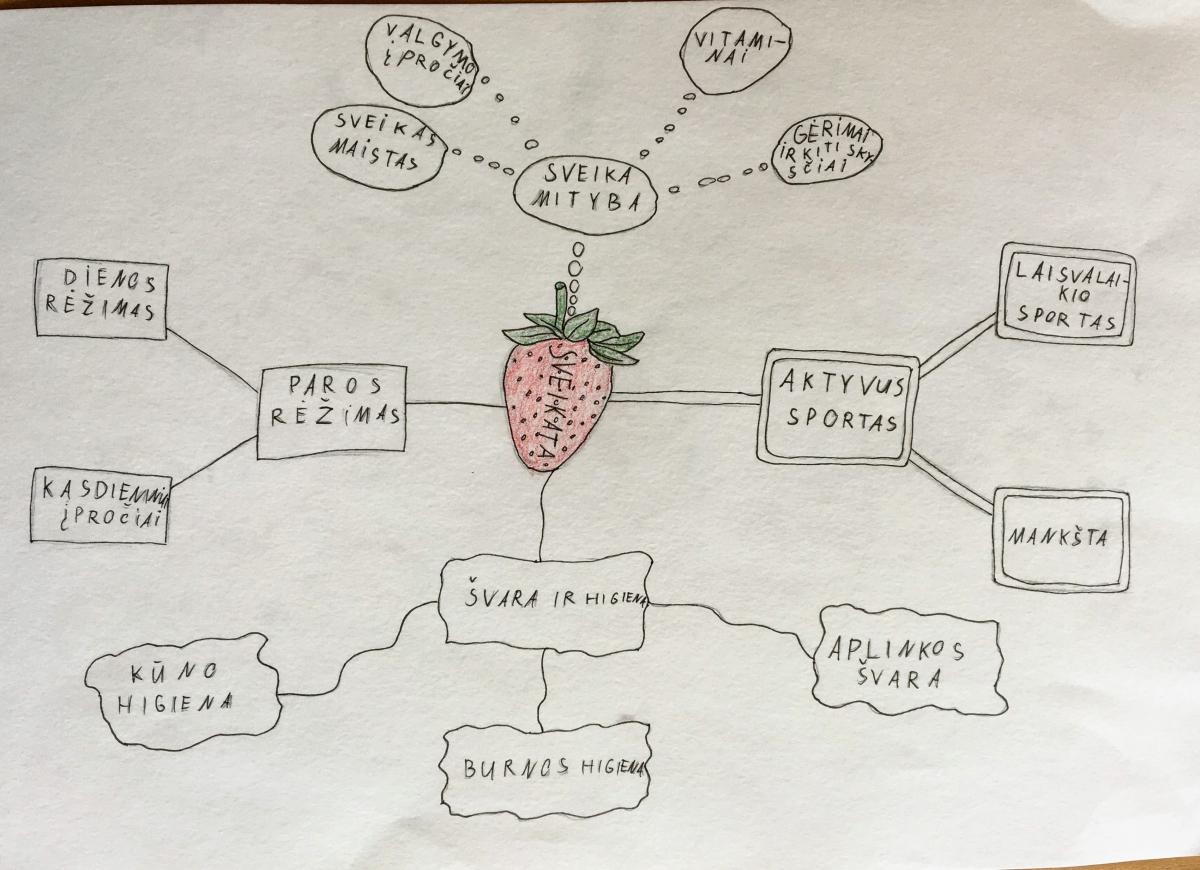
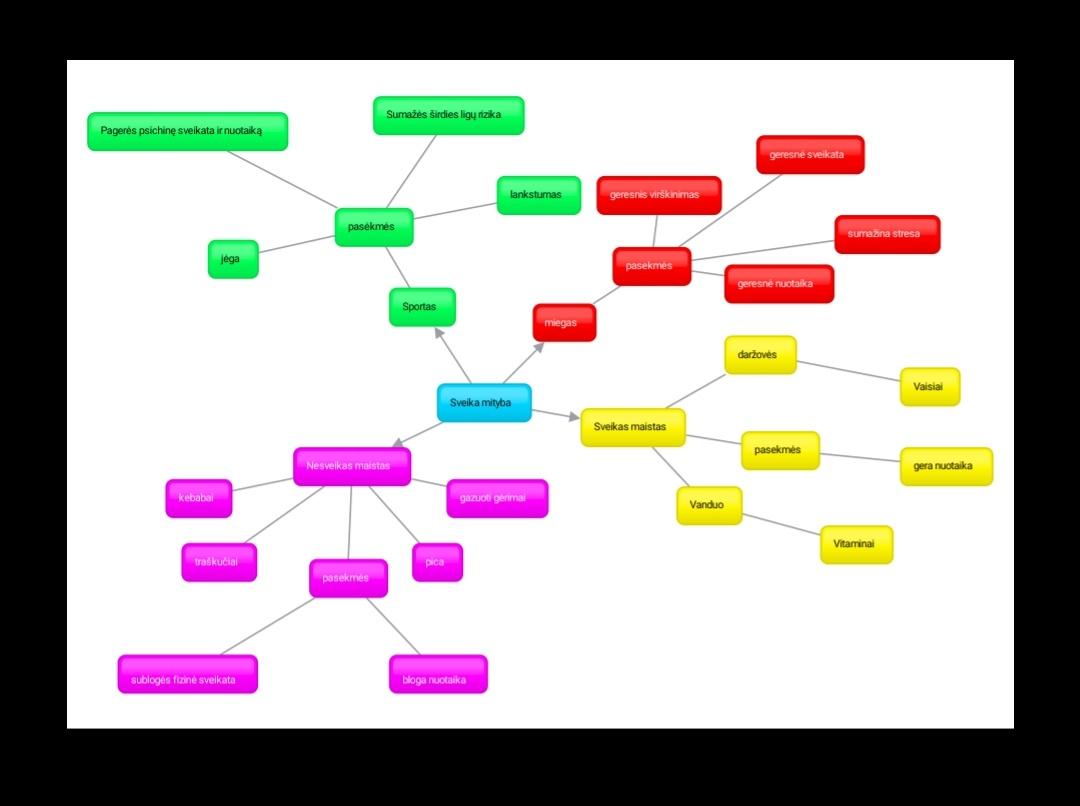
Mind Maps About a Healthy Lifestyle

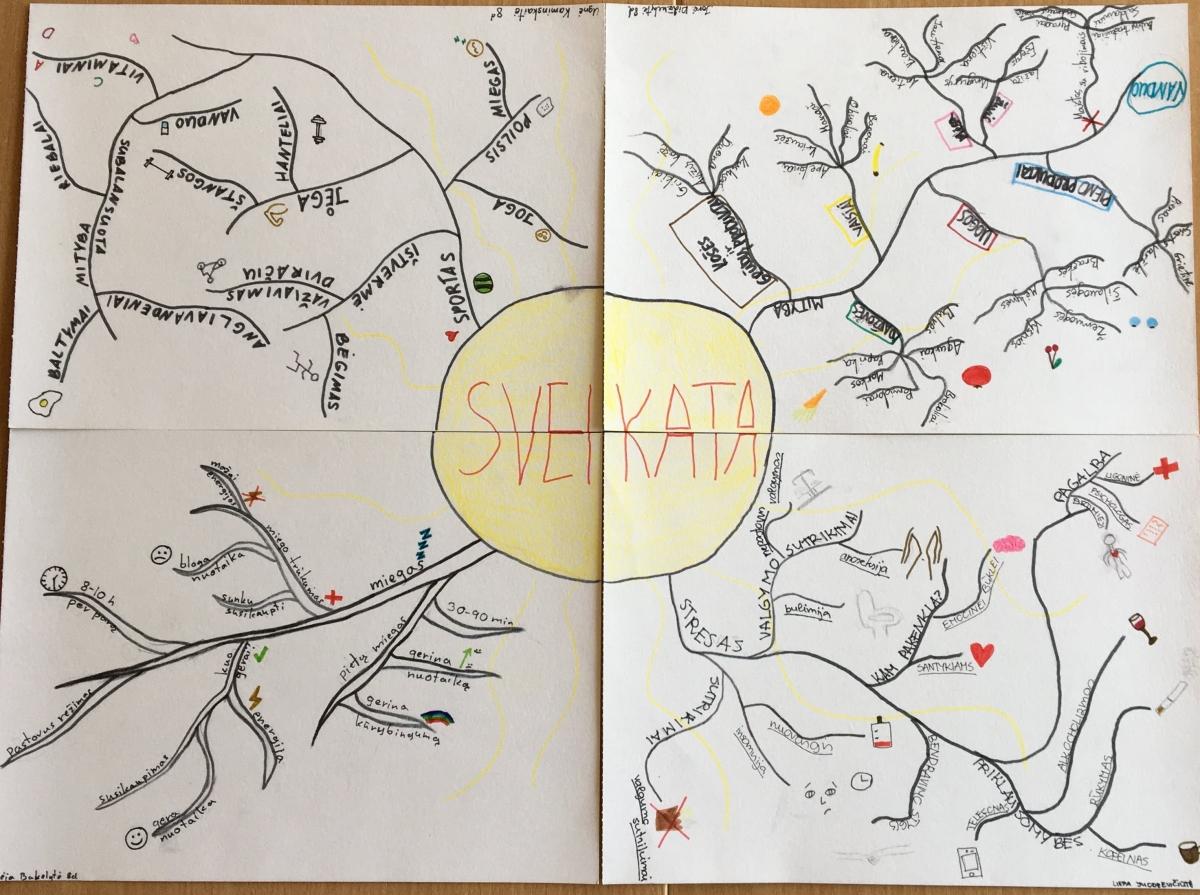
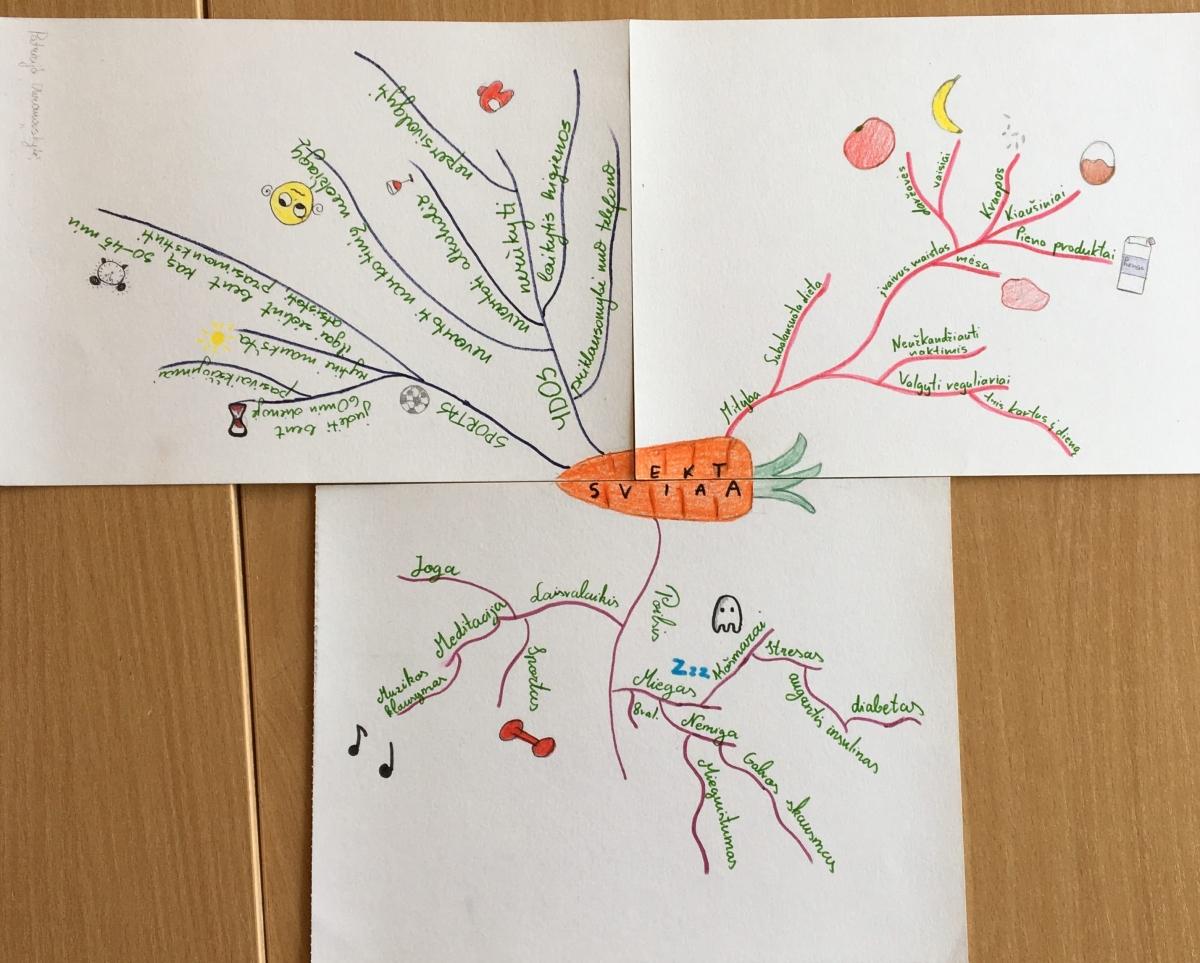
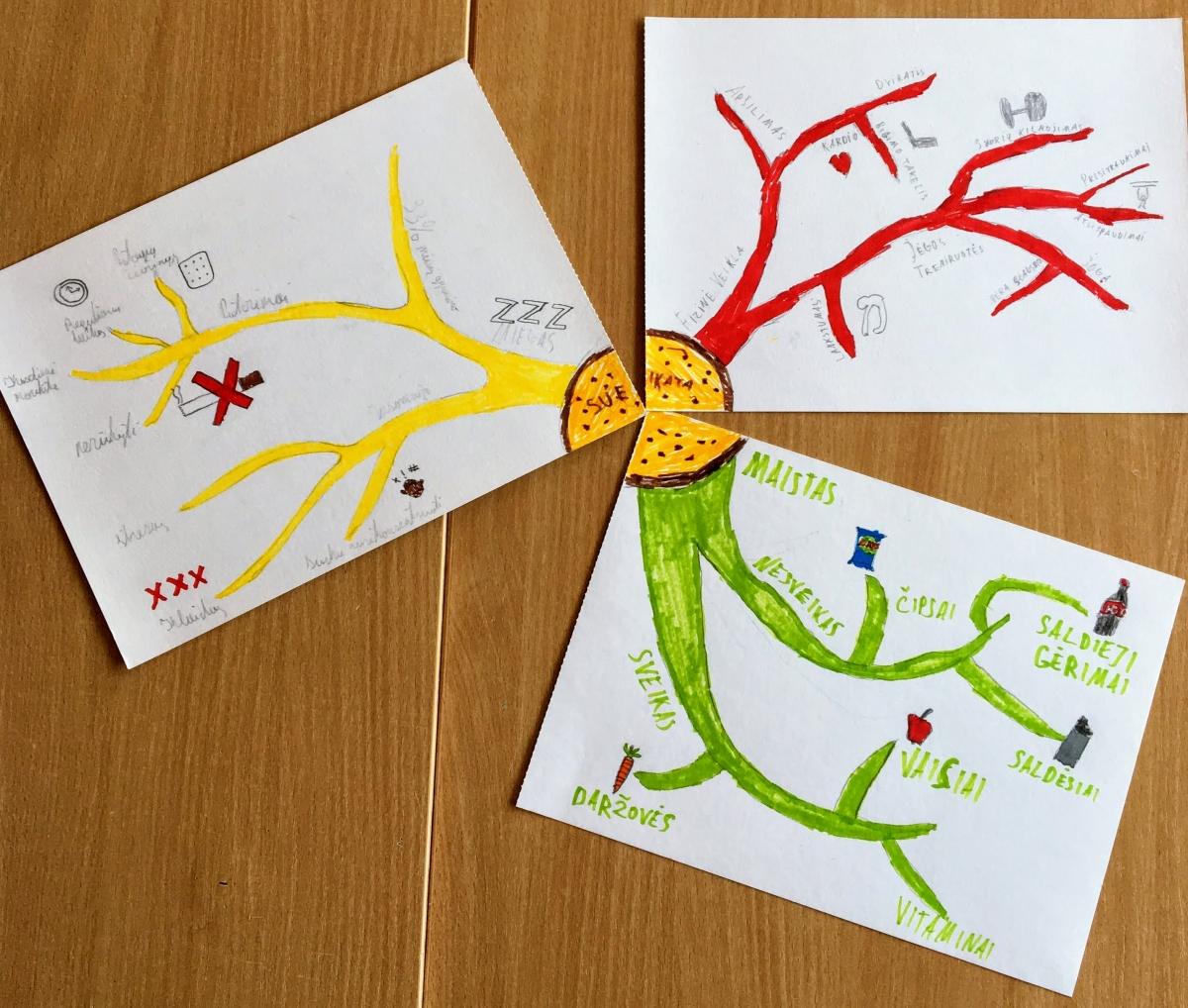
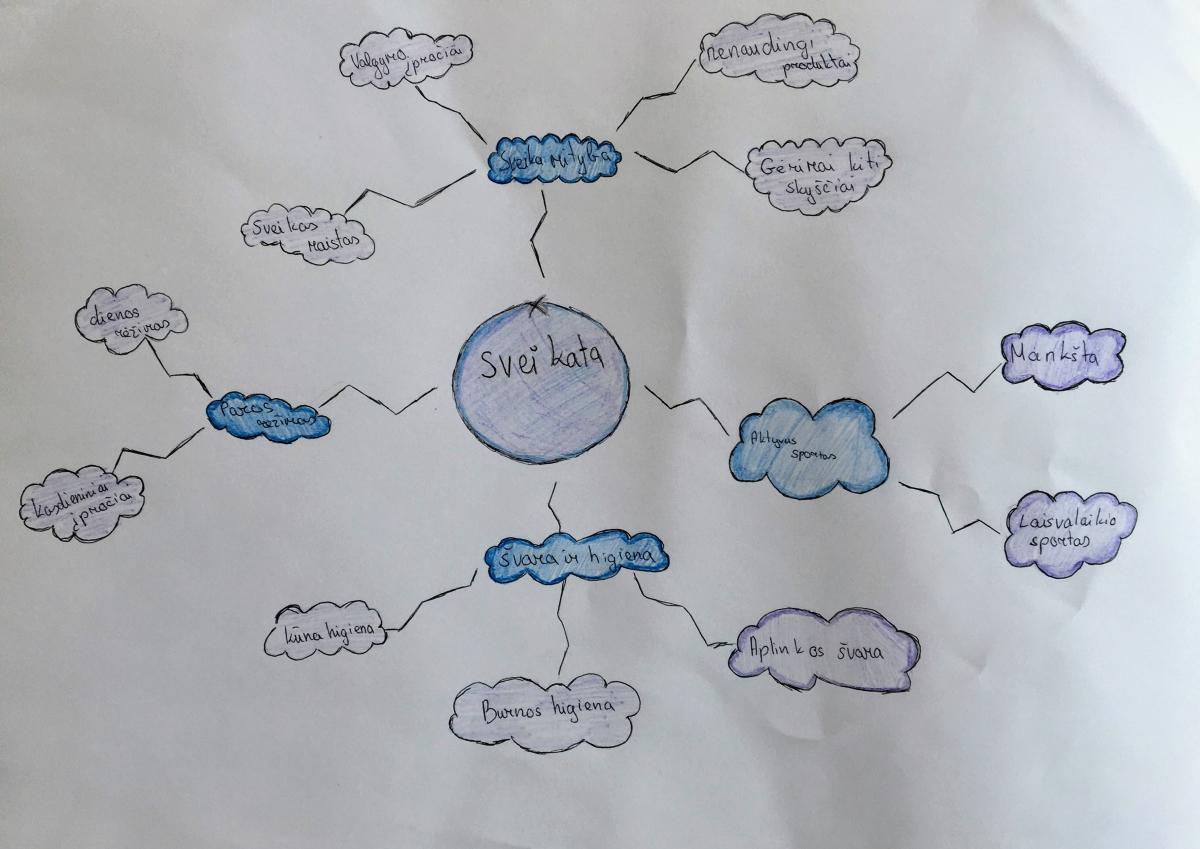
In December our school 8th class students created mind maps during their technology lessons summarizing their knowledge of healthy living and healthy eating as a very important part of their lifestyle. Pupils were encouraged to look at the concept of a healthy lifestyle as broadly as possible: use their knowledge of all subjects and their own personal experience.

Integrated History-German Lesson

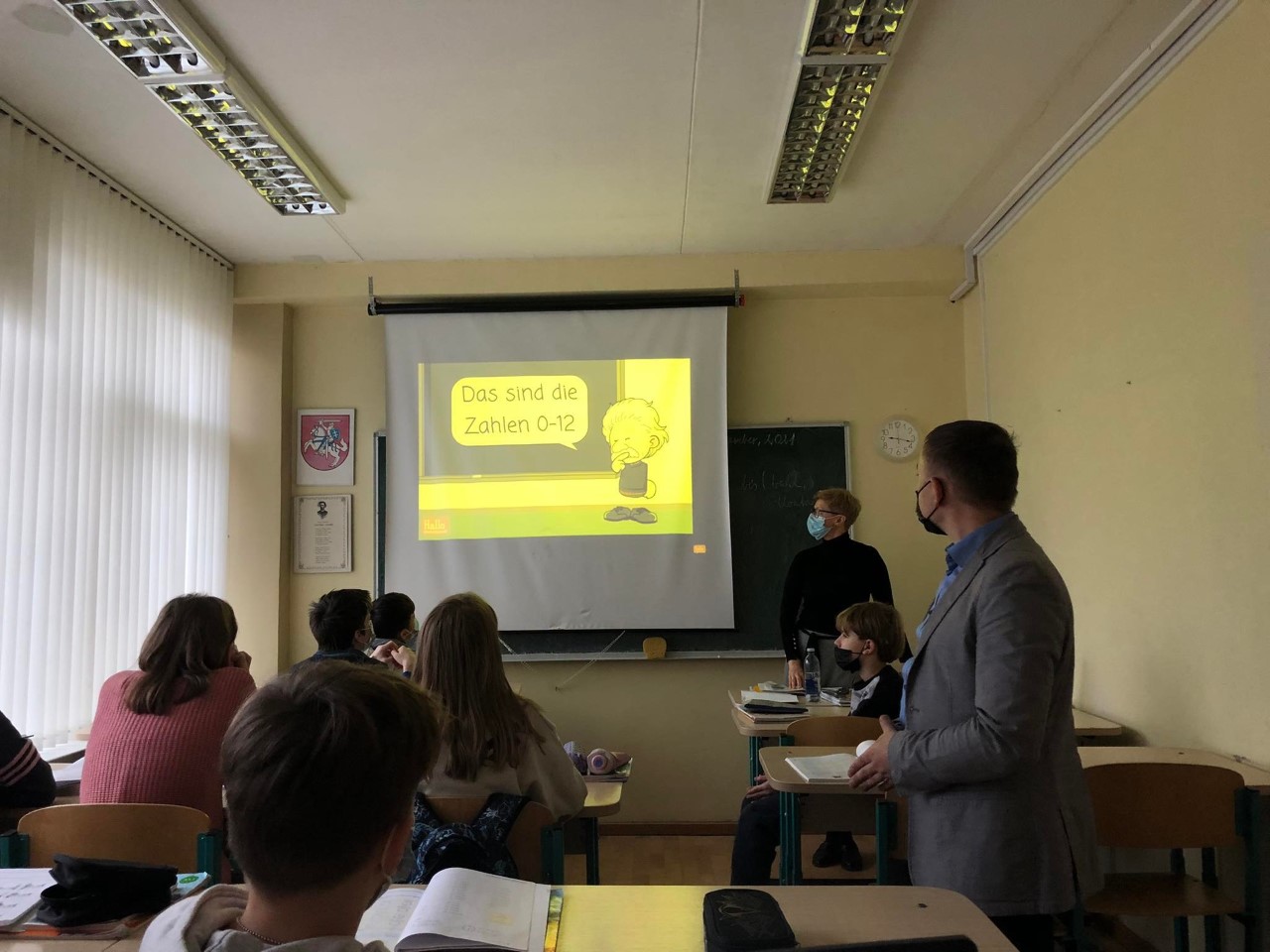
2021 December 15 Class 6ac in the German group had an integrated German – History lesson “How many years did the dukes rule and live?” The lessons were led by teachers Rita and Marius.

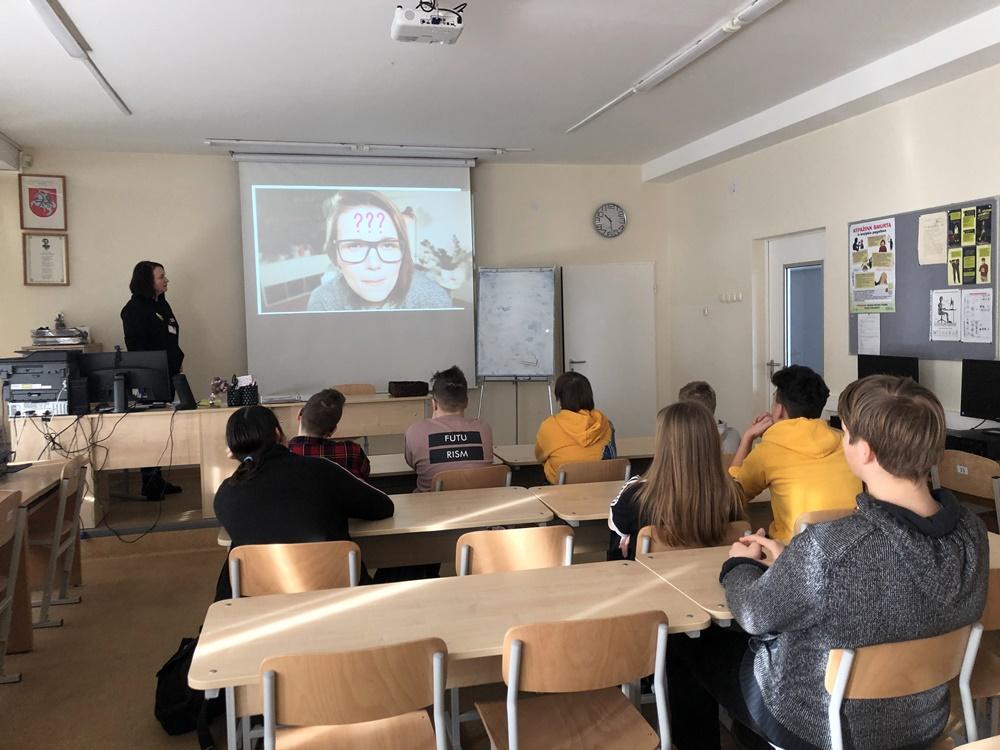
German during the lesson, the number of children was repeated, without which further work is impossible. Here, an educational video with Einstein came to their aid. Later, the children learned how to make numbers from 20 to 100. Then the history teacher Marius joined and told the children about the dukes, their reigns and the upcoming Vilnius Birthday. The children used the acquired knowledge about numbers in practice – to calculate the period of the dukes’ rule or life.

Virtual Short-term exchanges of groups of pupils in Estonia

Monday, November 15th

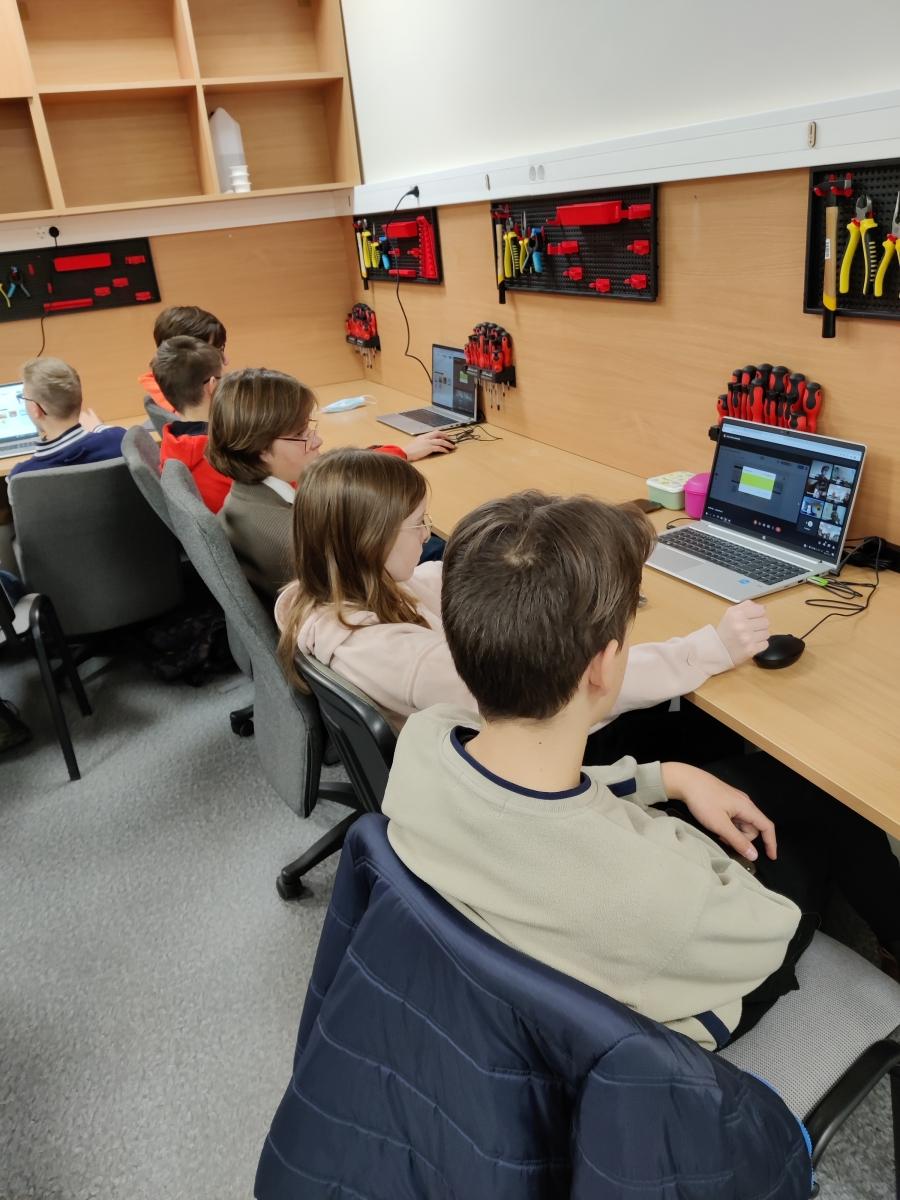
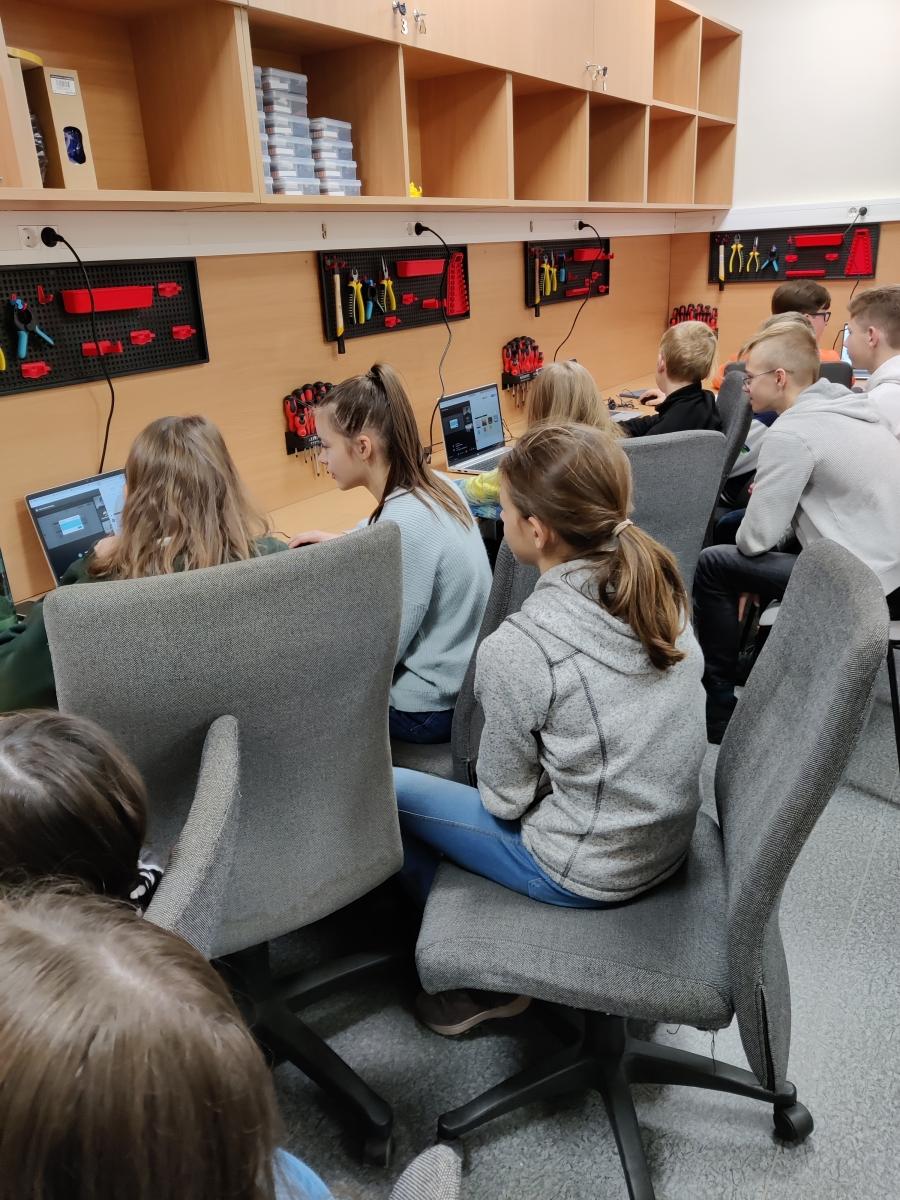
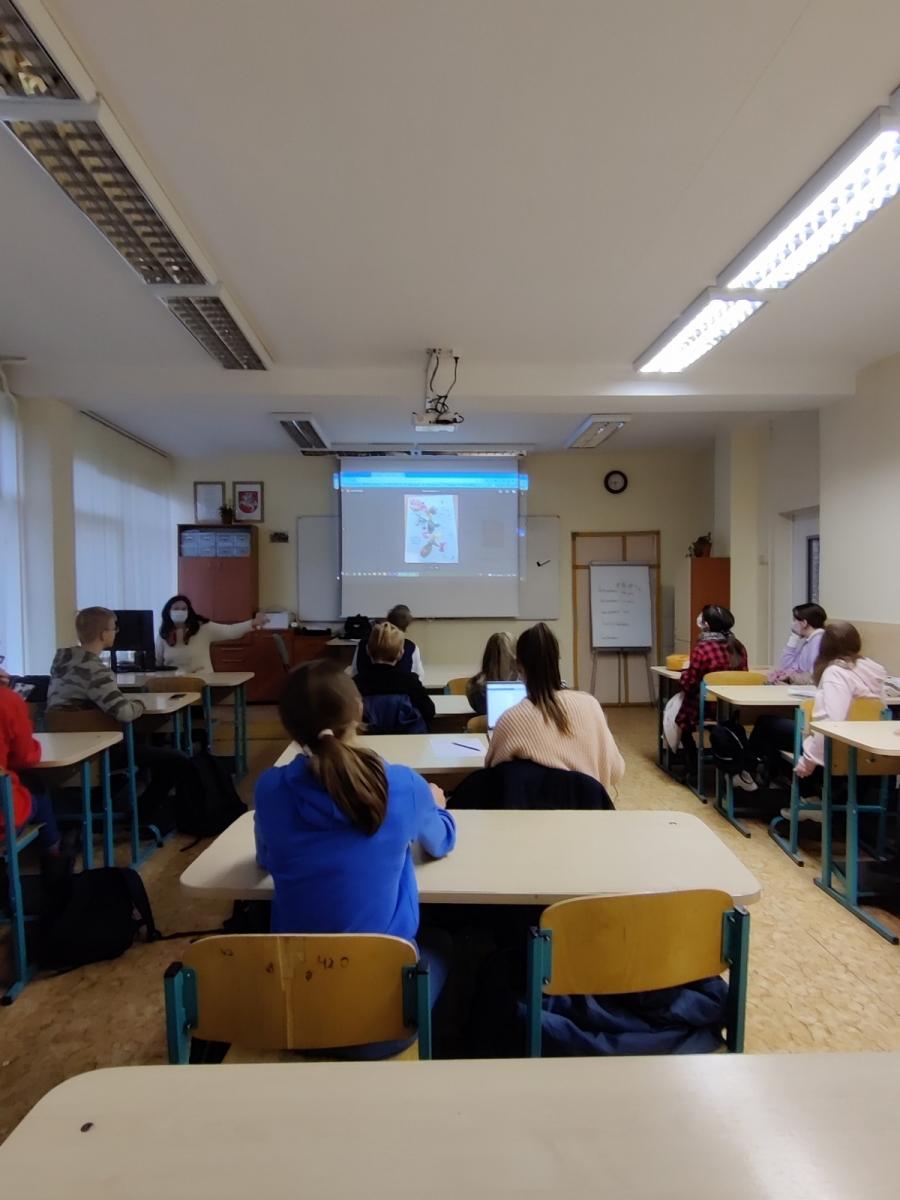
Class 7D students participated in virtual mobility with students from Estonia, Turkey and Bulgaria. Project coordinator Helen Paju welcomed all participants. The Estonians introduced their country and school. Our students were impressed by the innovative classrooms and a pleasant environment for learning. The hosts of the mobility from Alatskivi City School prepared a small concert: a girl from their school sang, and the folk-dance club danced.

Then, the Estonians showed their film about Estonian nature. After that, the ninth-grader Hugo read a report explaining the unusual change of seasons in Estonia and more.

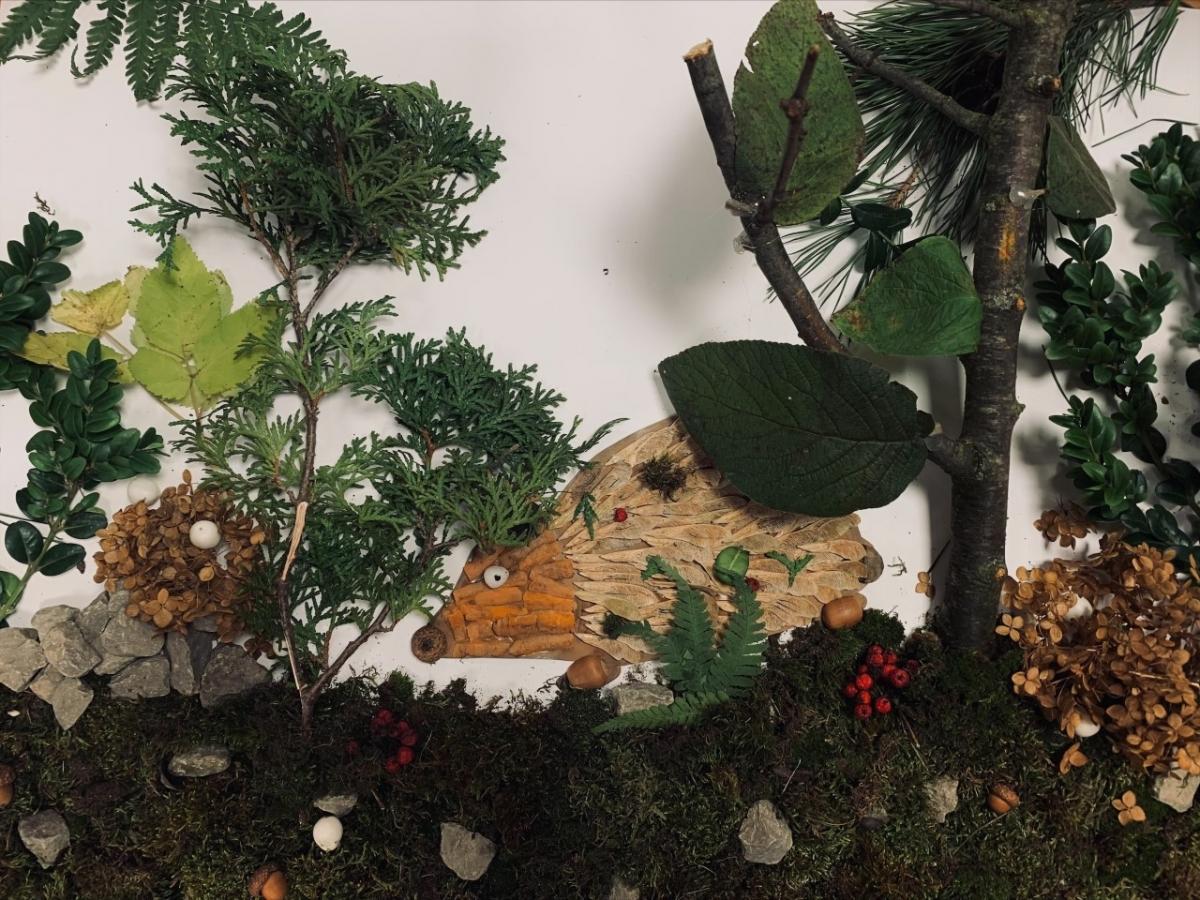
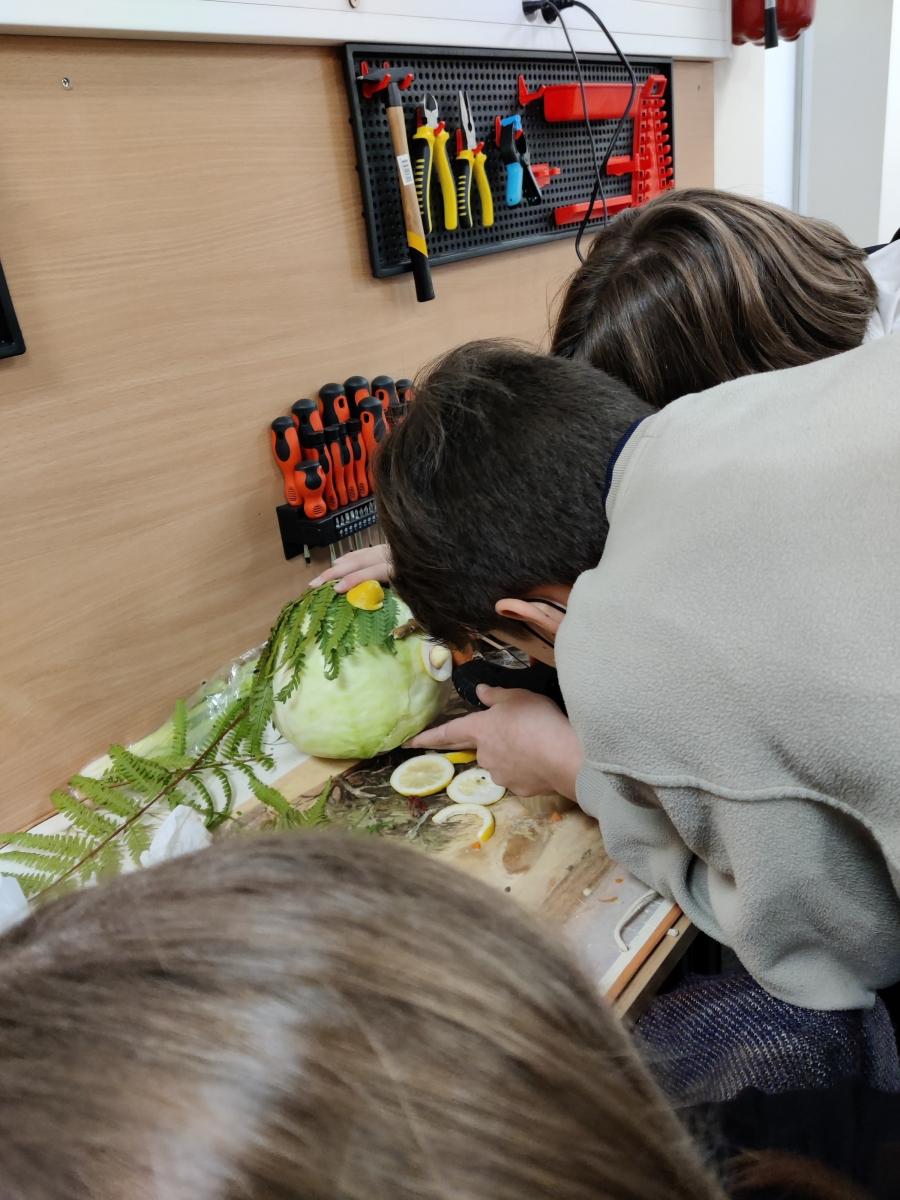
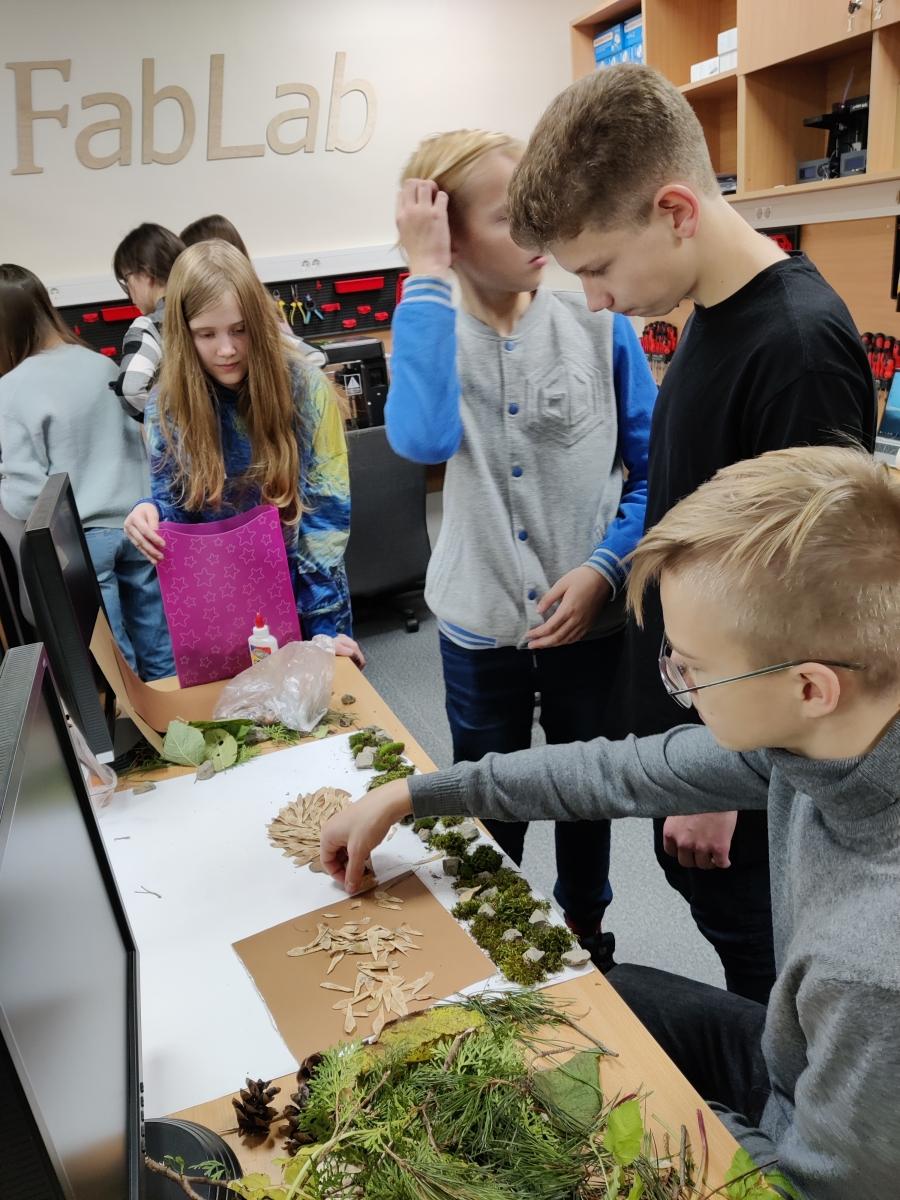
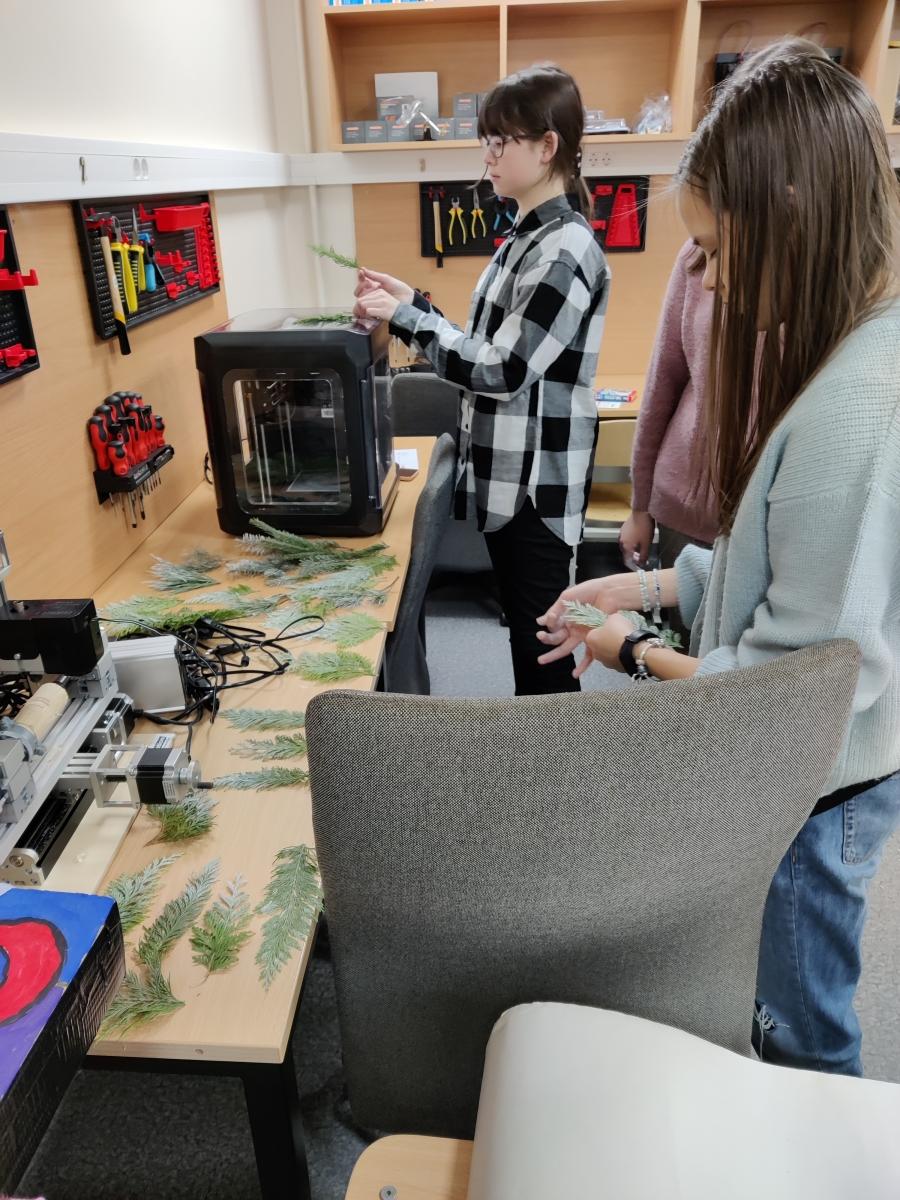
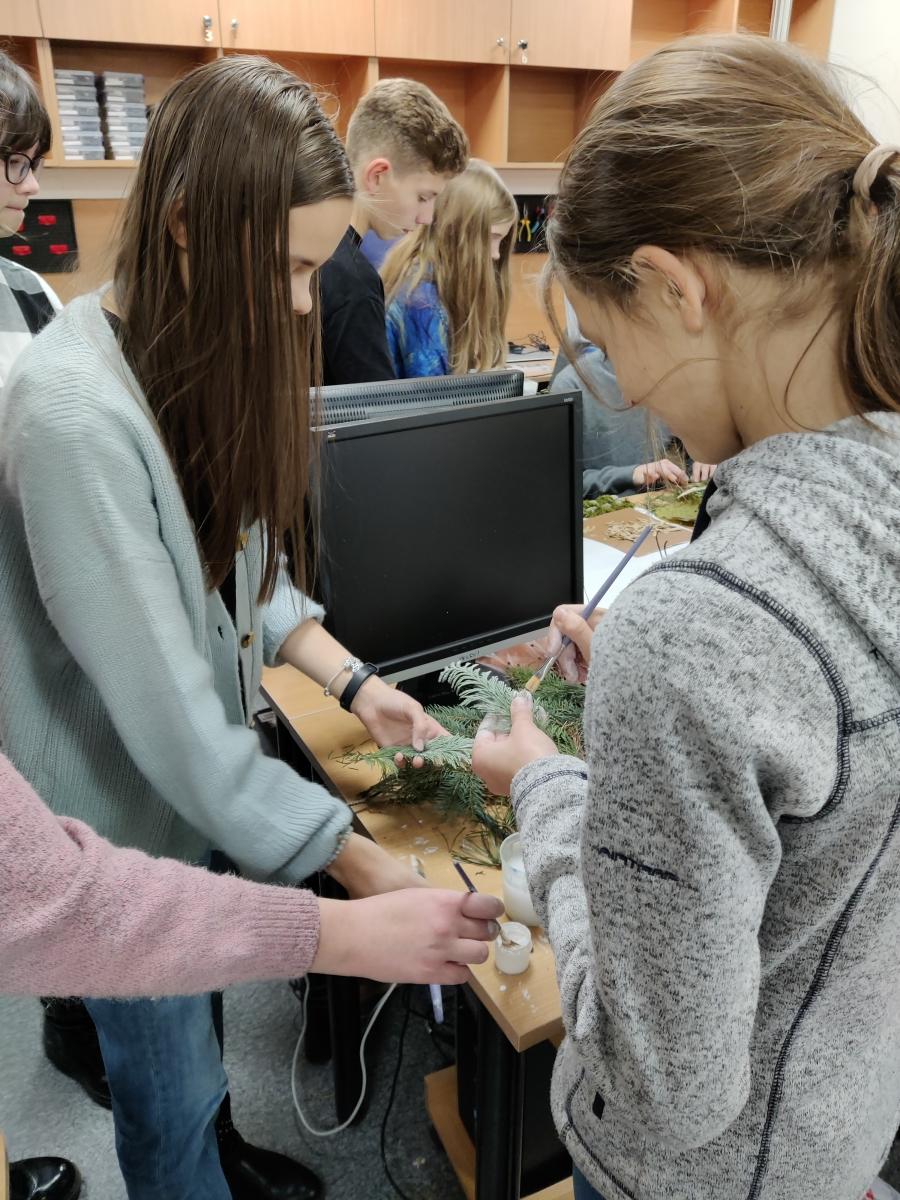
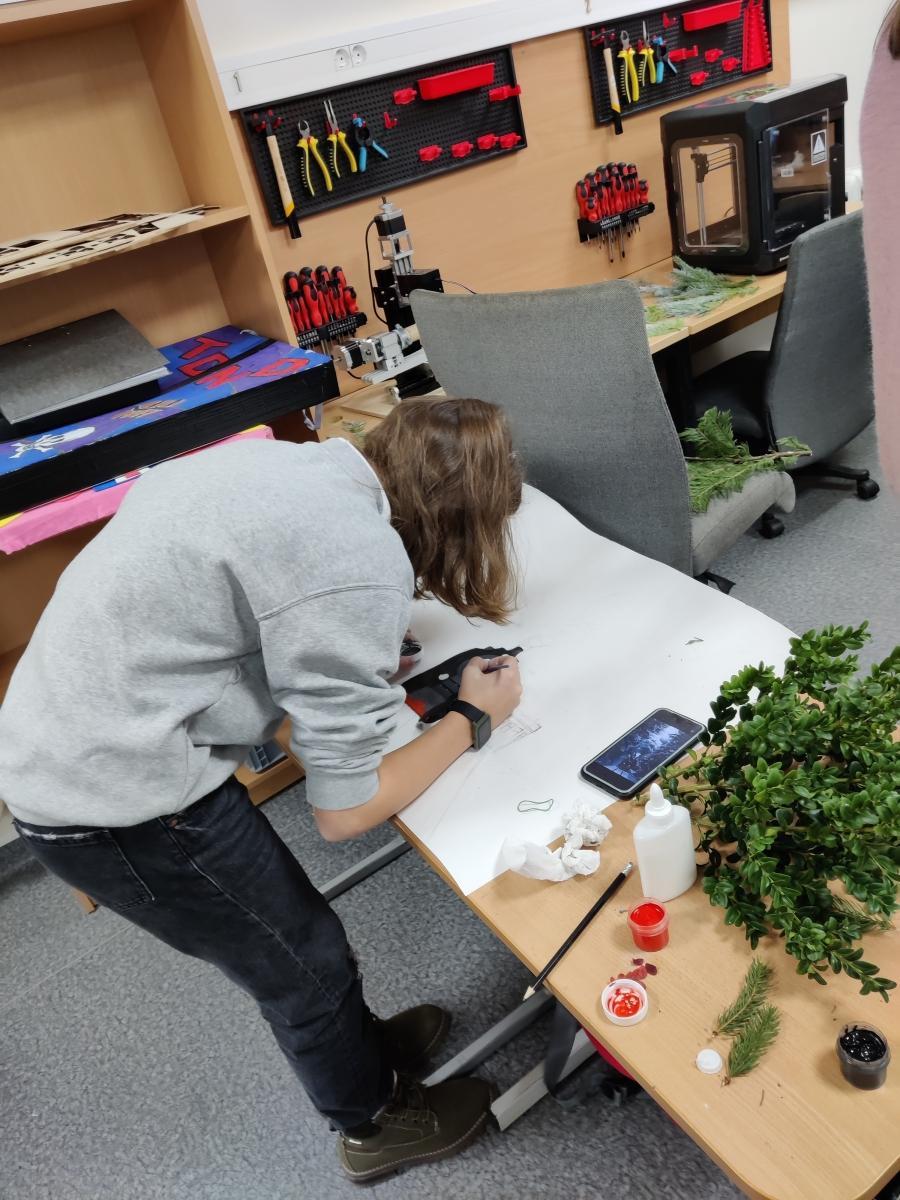
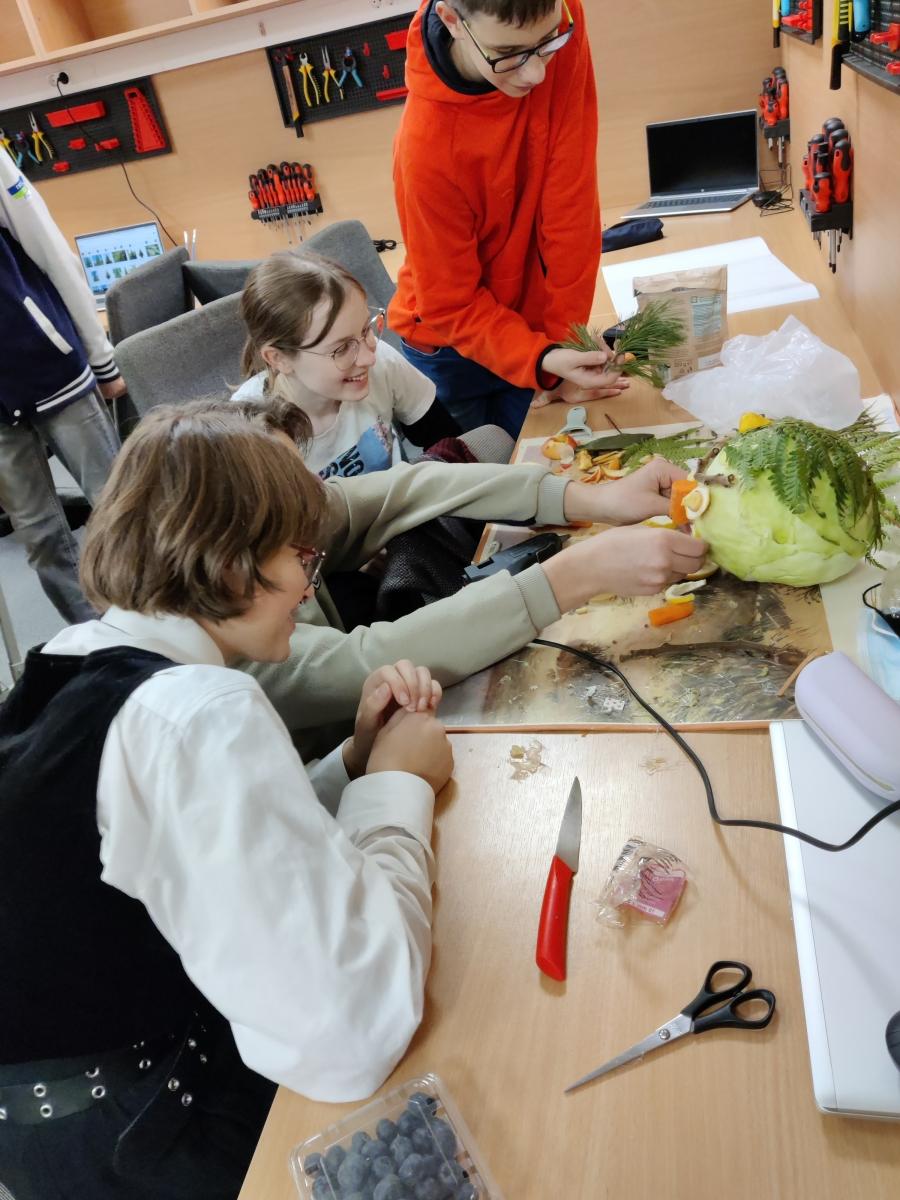
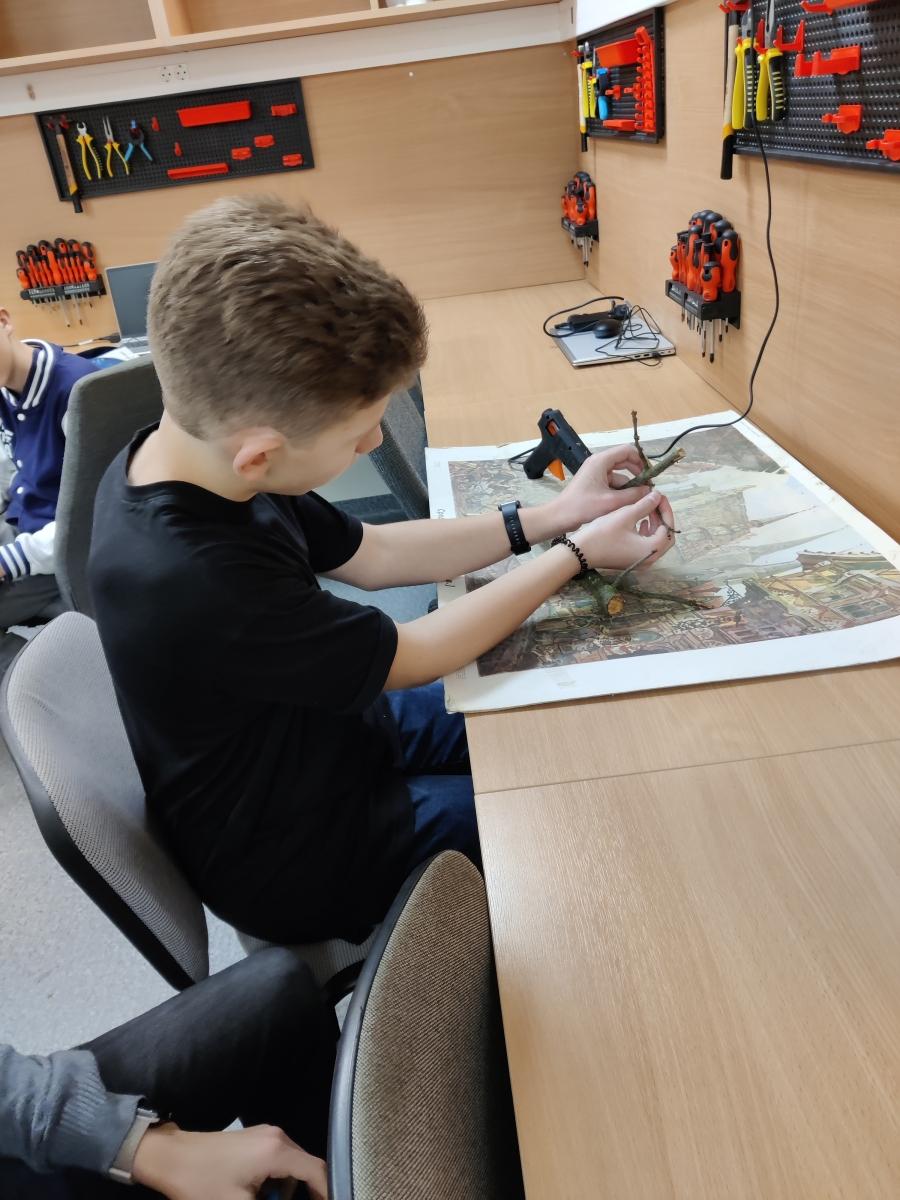
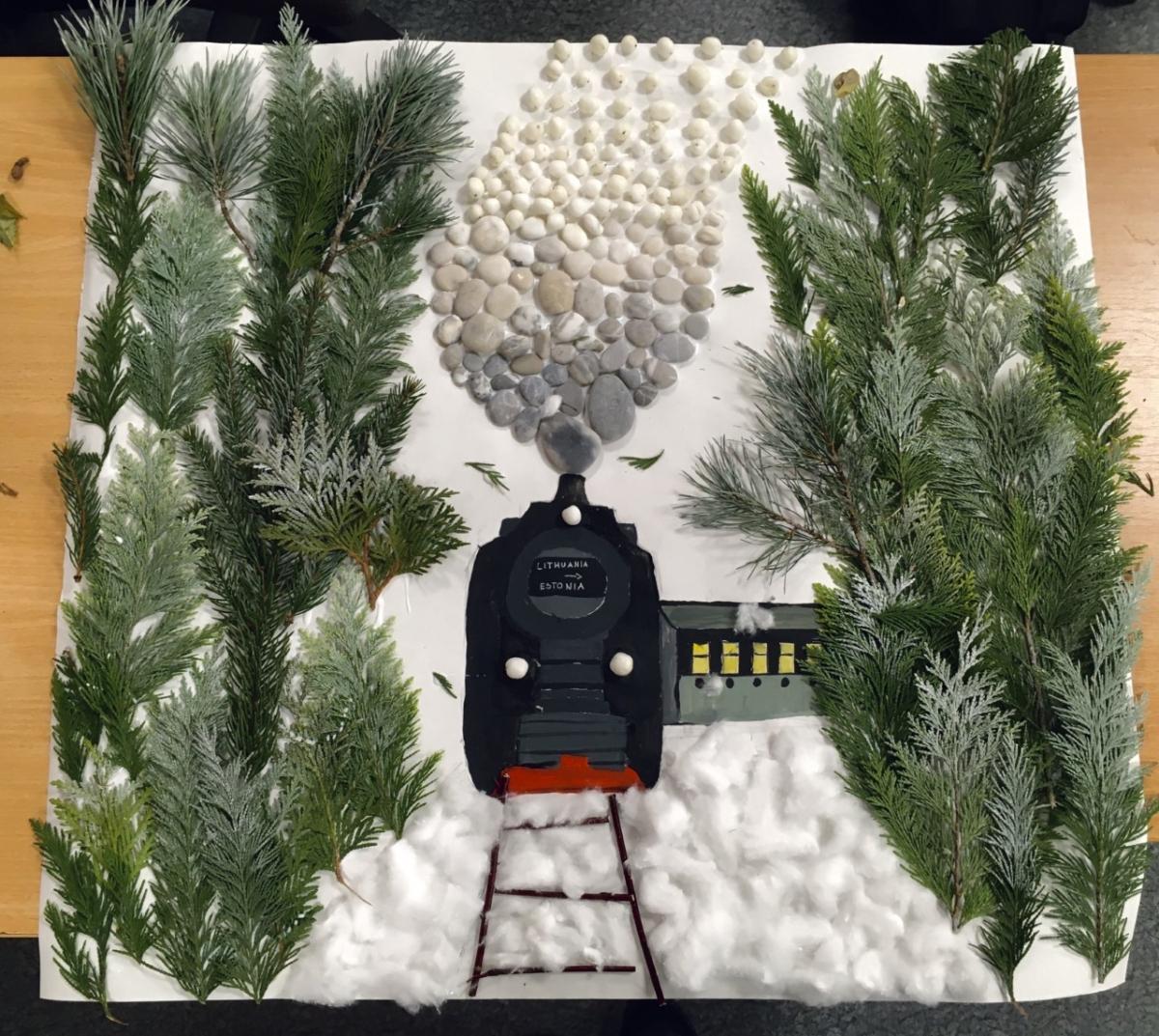
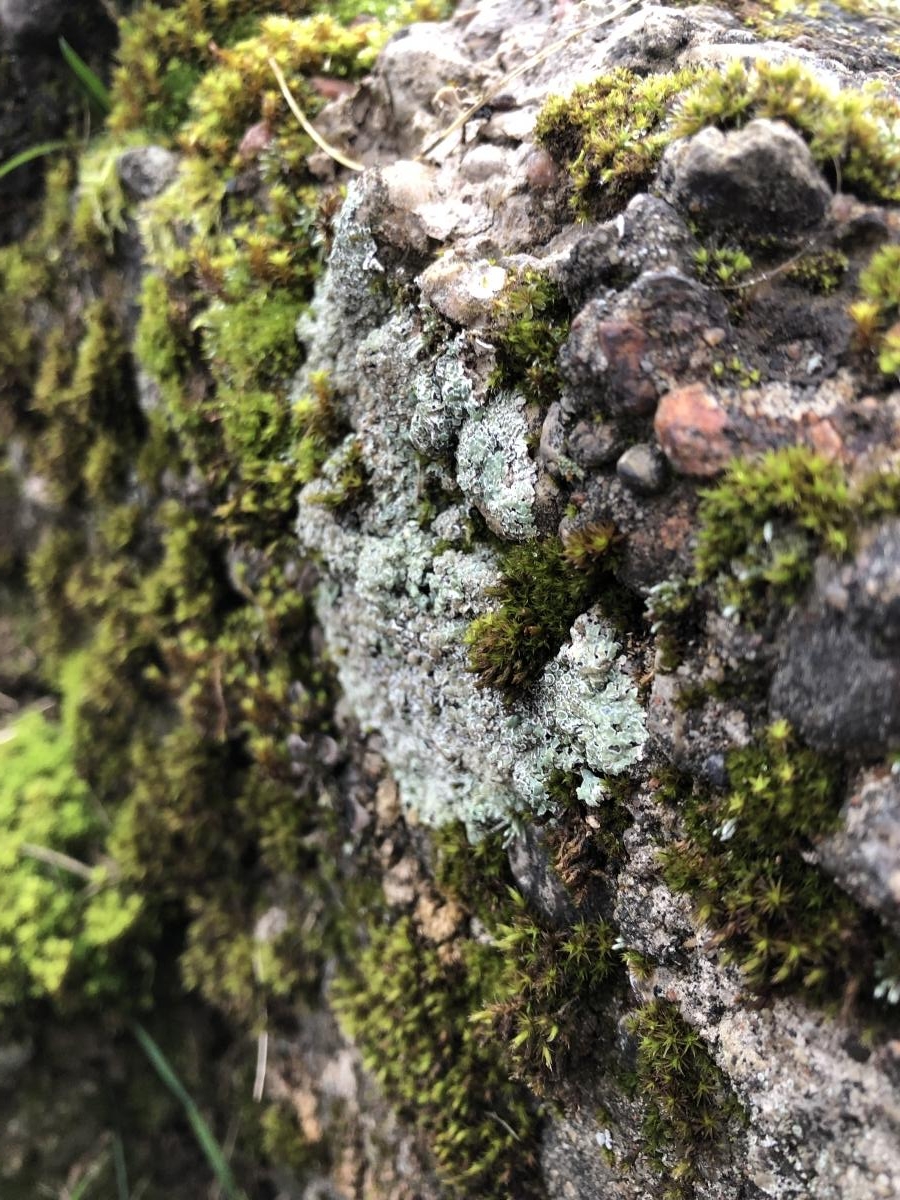
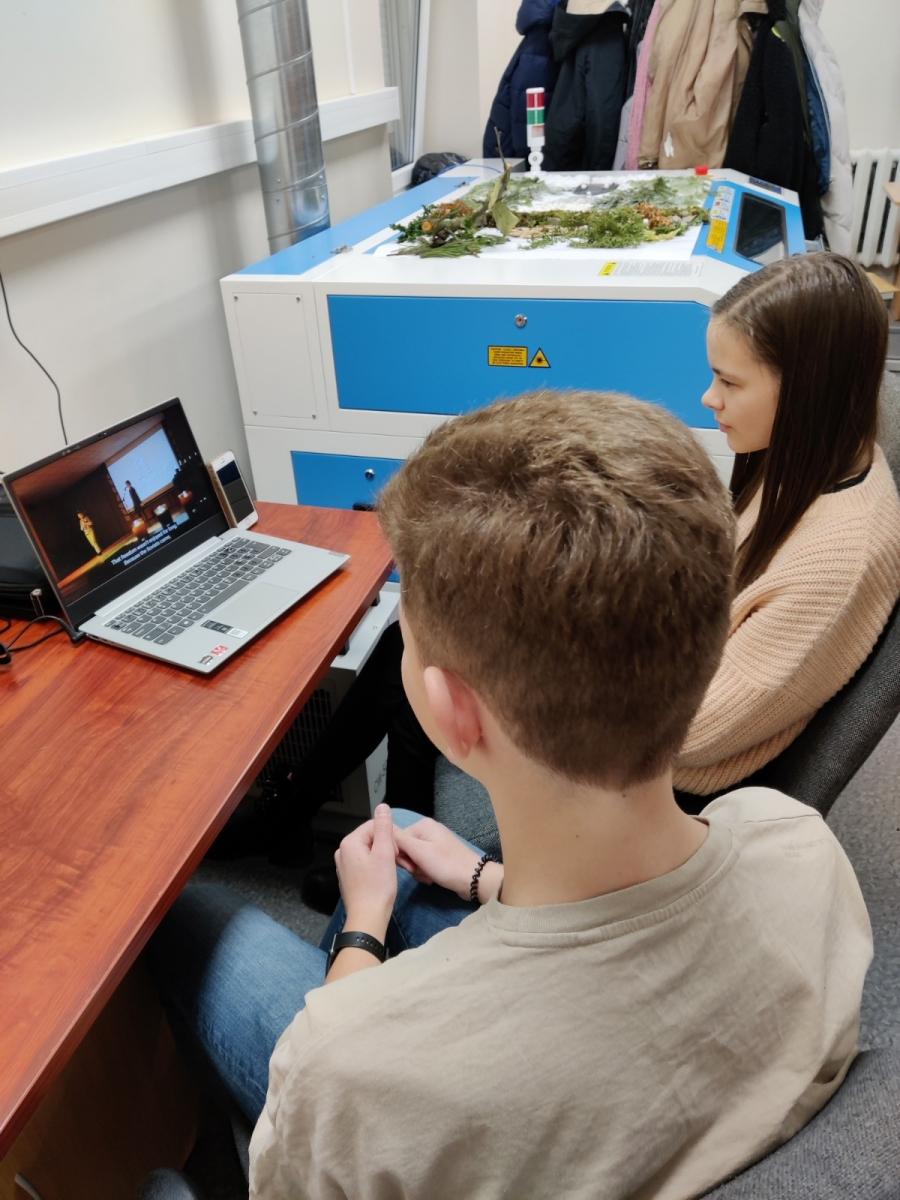
After the break, there was a presentation of today’s practical activities. Students had to put together a picture from natural materials (leaves, twigs, berries, etc.). Our students, in groups, cut twigs, painted them, drew sketches of their paintings, looked for moss and other materials in the school yard. It was also interesting to watch the work of students from other countries at a distance.

One of our groups, of lots of fruits and vegetables, put together two works: the human face and the forest.

The second group created a train driving through the forest from Lithuania to Estonia in winter.

The last group made a hedgehog in the forest, they managed to create a 3D picture.

Students enjoyed today’s creative activities very much; it was helpful to work in groups and share ideas.

Tuesday, November 16th

Class 7D students had the opportunity to continue participating in virtual mobility with other countries. The project coordinator spoke about symbolism in life and nature. Symbolism – when writers, painters use animals, elements, things, places, colours, and more to represent other things. Participants were given a creative task: to explain what the given things are symbolizing and why.

After that, guests from Bulgaria introduced their country. Bulgarian students talked about their history and described interesting architectural objects. They presented the highest mountain of Bulgaria, waterfalls, and caves of amazing beauty. They also introduced Bulgaria’s most beautiful cities, traditional food, animals, and plants. They showed a film about the beautiful nature of Bulgaria, which is very different from Lithuania.

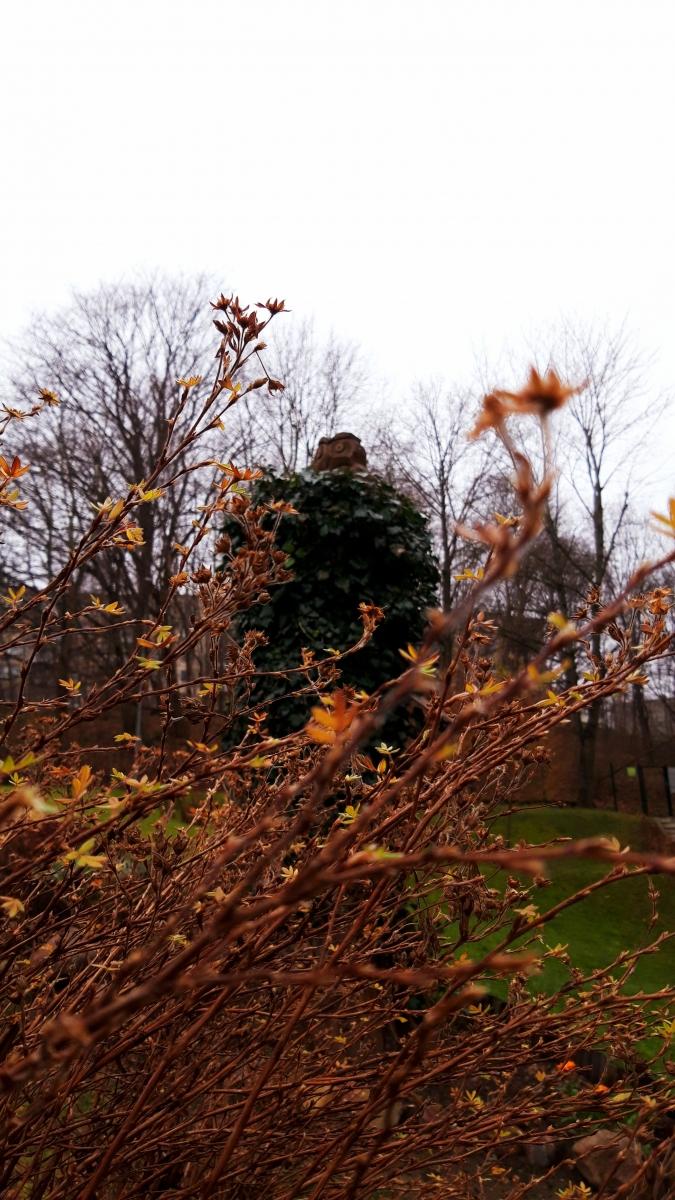
After the presentation, the students were introduced to the day’s activity. The task is to find an interesting, attractive, artistic view in the school yard, to take a photo of it, and to express their creativity with a photo editing program. The children spent time walking around the school, taking pictures, sharing them, looking for ideas. Students will continue this creative work after school, by walking around the city and capturing images they like. They will share their best experiences with project partners from other countries.

The students discussed with the teacher Ilona how they would present Lithuania on Friday. Also, they talked about what work they will have to do tomorrow.

Today, the children enjoyed the photographing activity and interpreting it creatively. Participants needed to think deeply about the meanings of the symbols and agree to the common opinion in the group.

Wednesday, November 17th

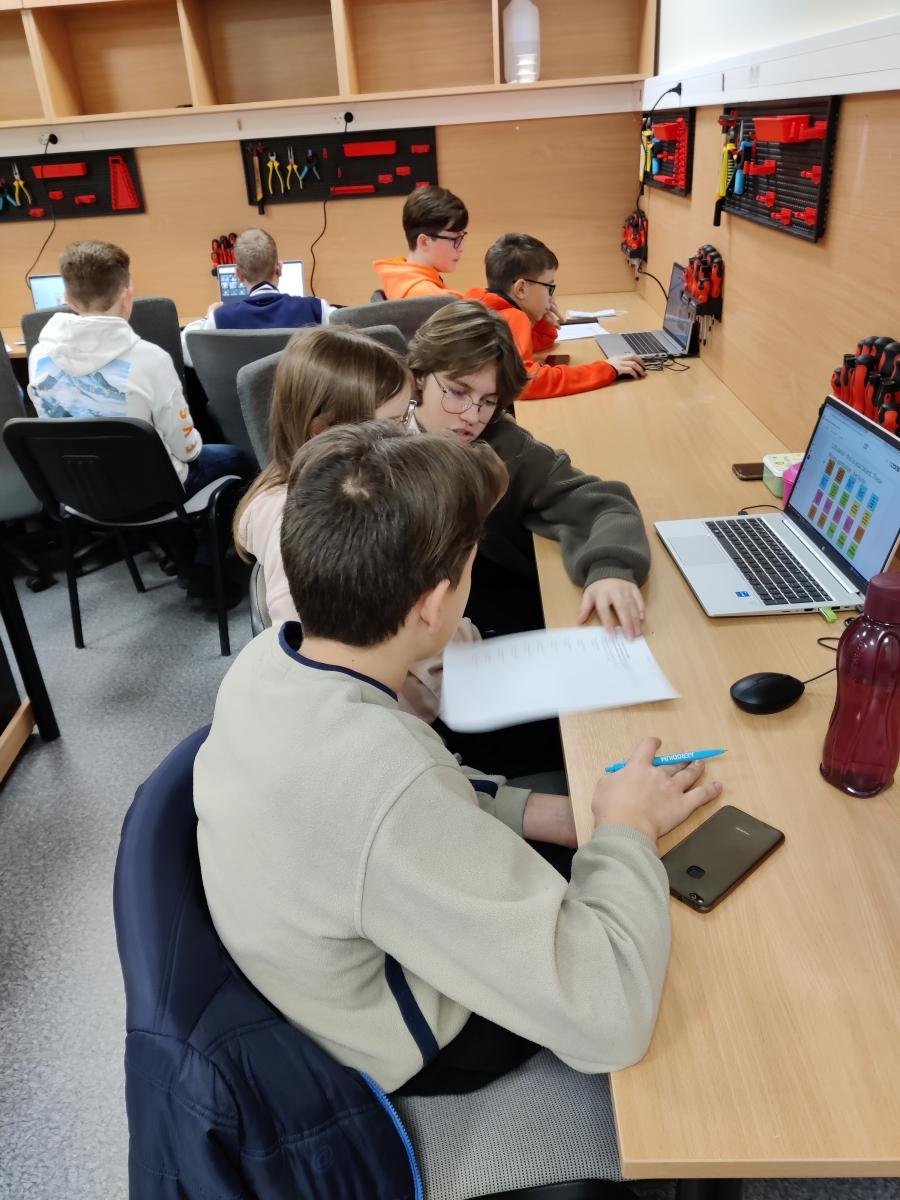
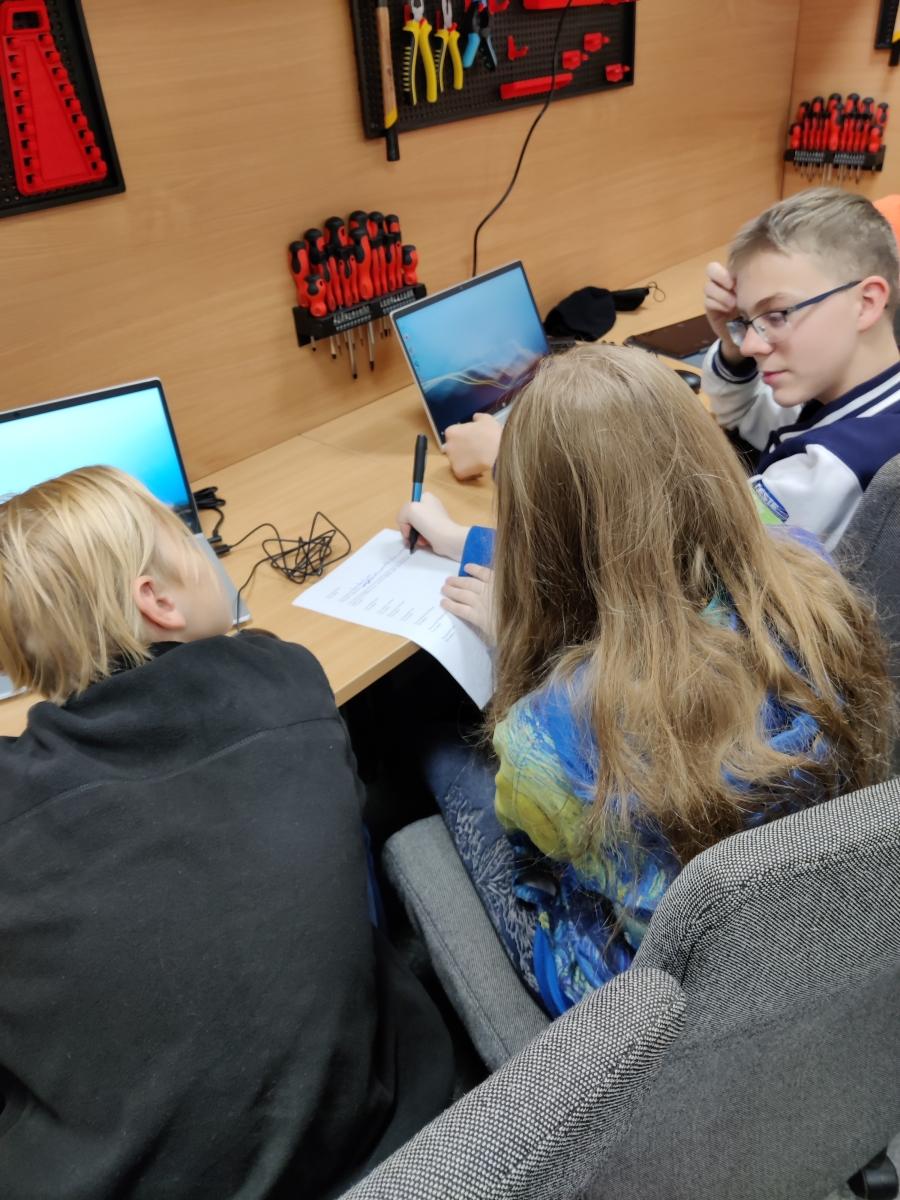
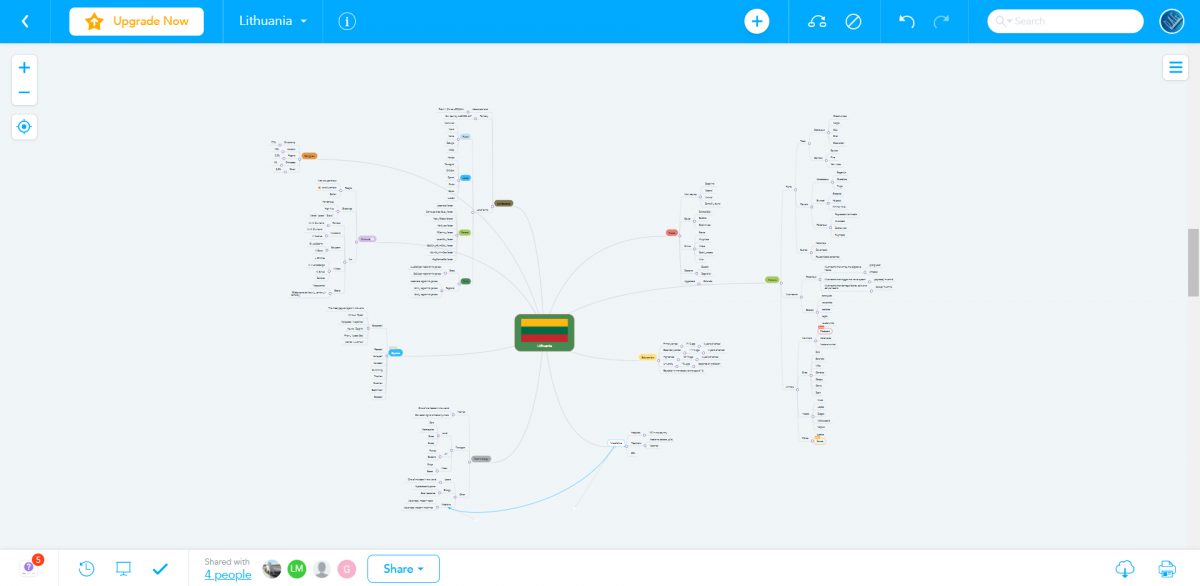
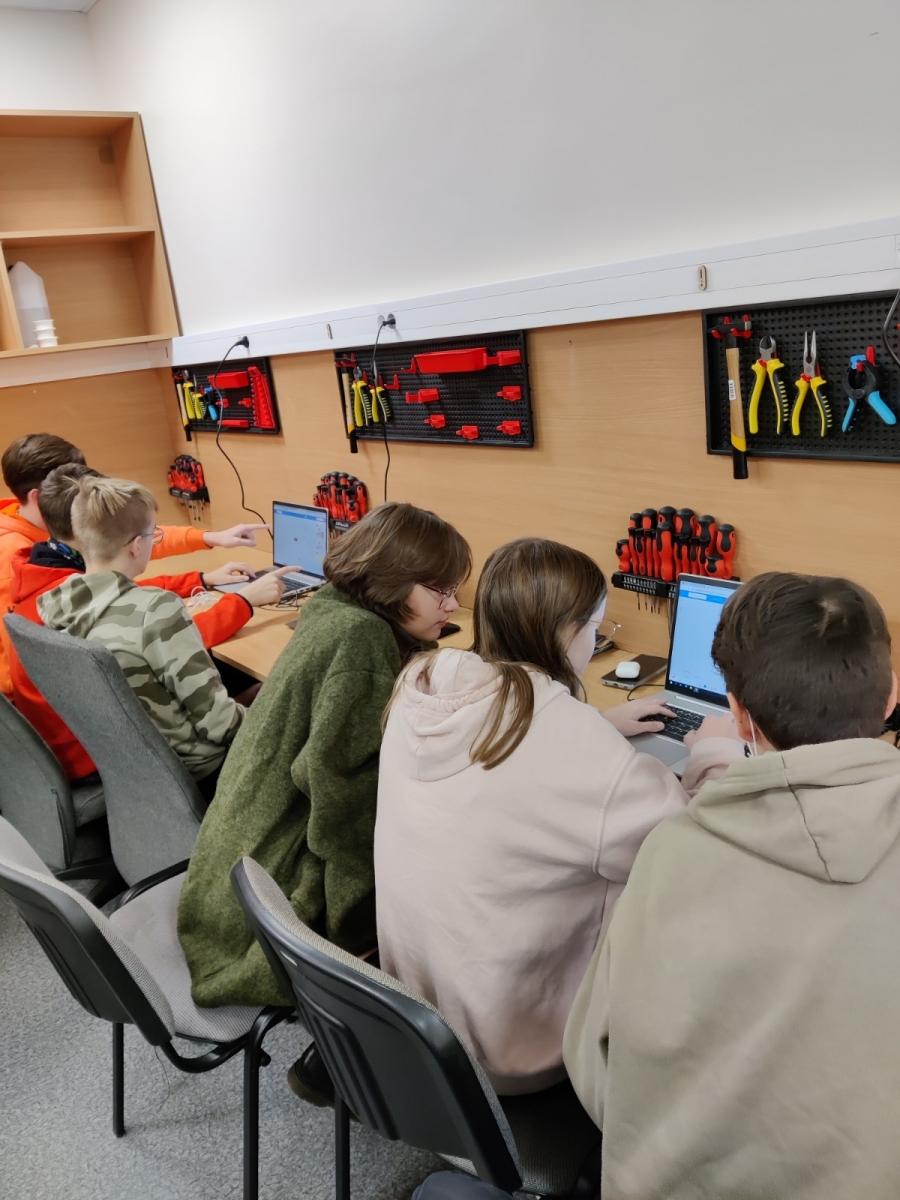
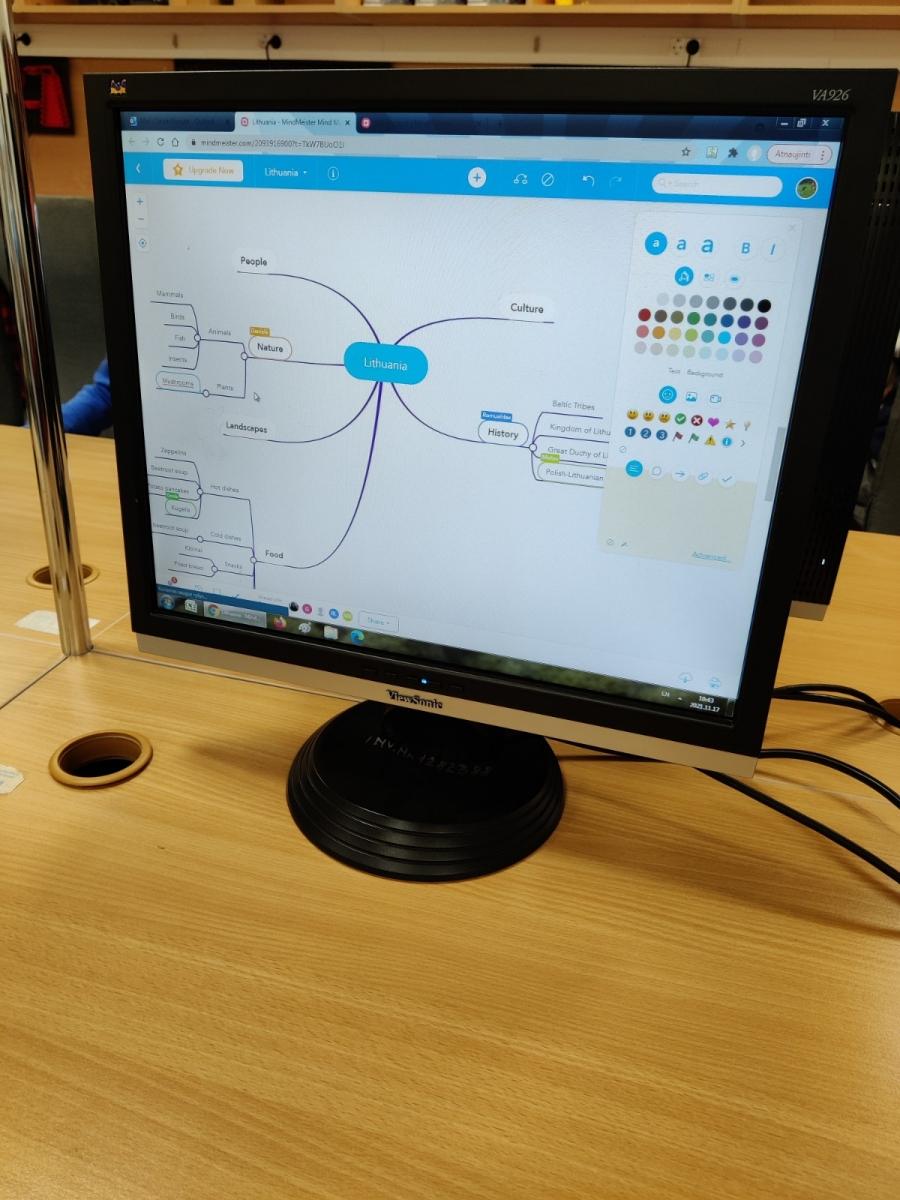
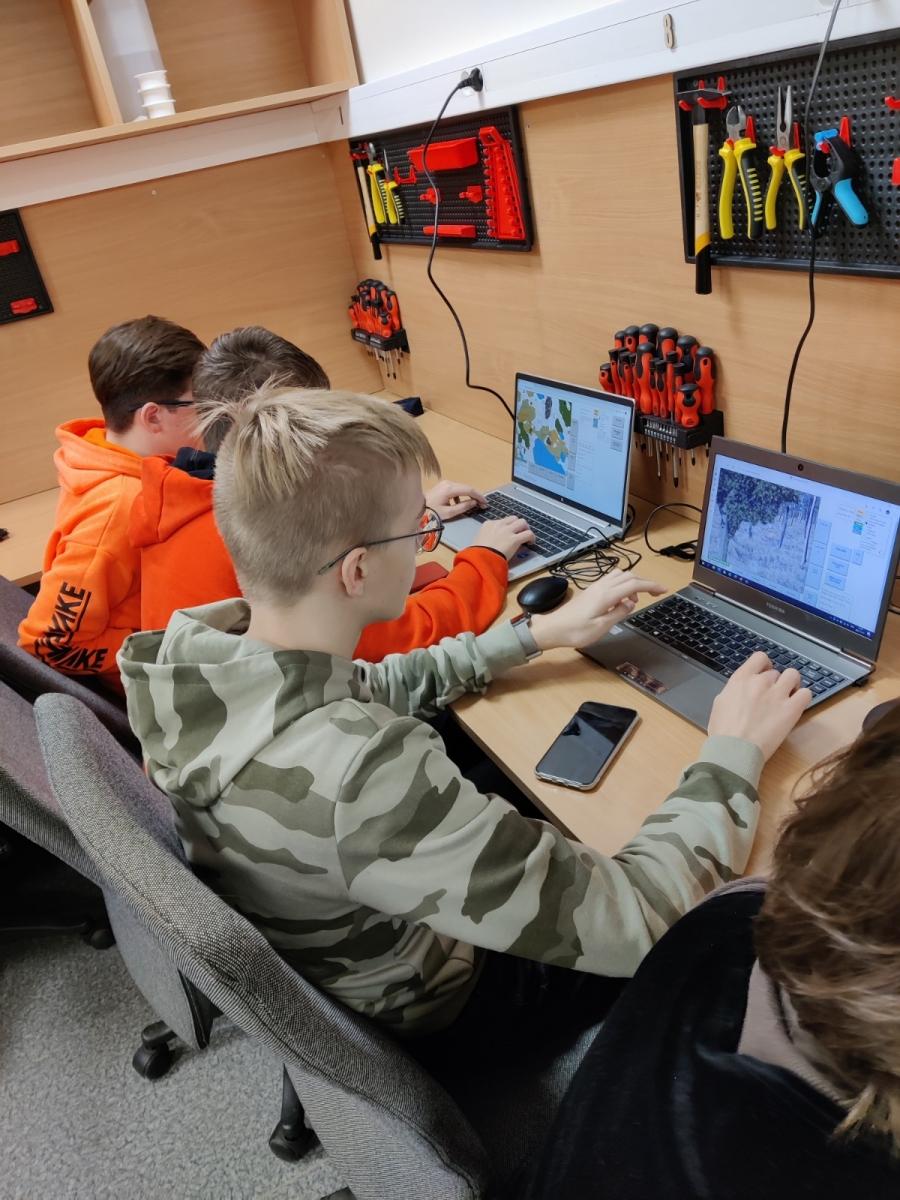
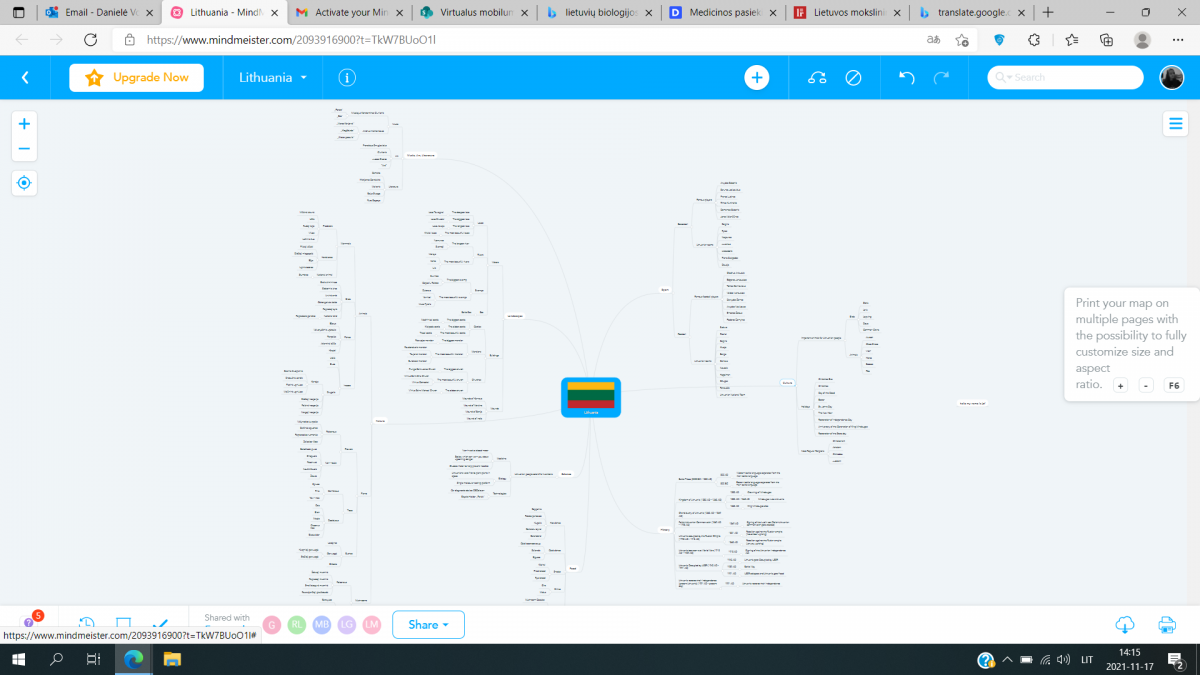
Today, the project coordinator spoke about mind maps and how to use them. Children were introduced to a unique mind mapping program online www.mindmaster.com . Divided into groups and choosing a topic about Lithuania, the students had a lot of discussions with each other, they looked for information about the homeland. After finding the information, everyone filled the selected area of the map on the computer screen. The students also were able to control the work of teammates on their screen.

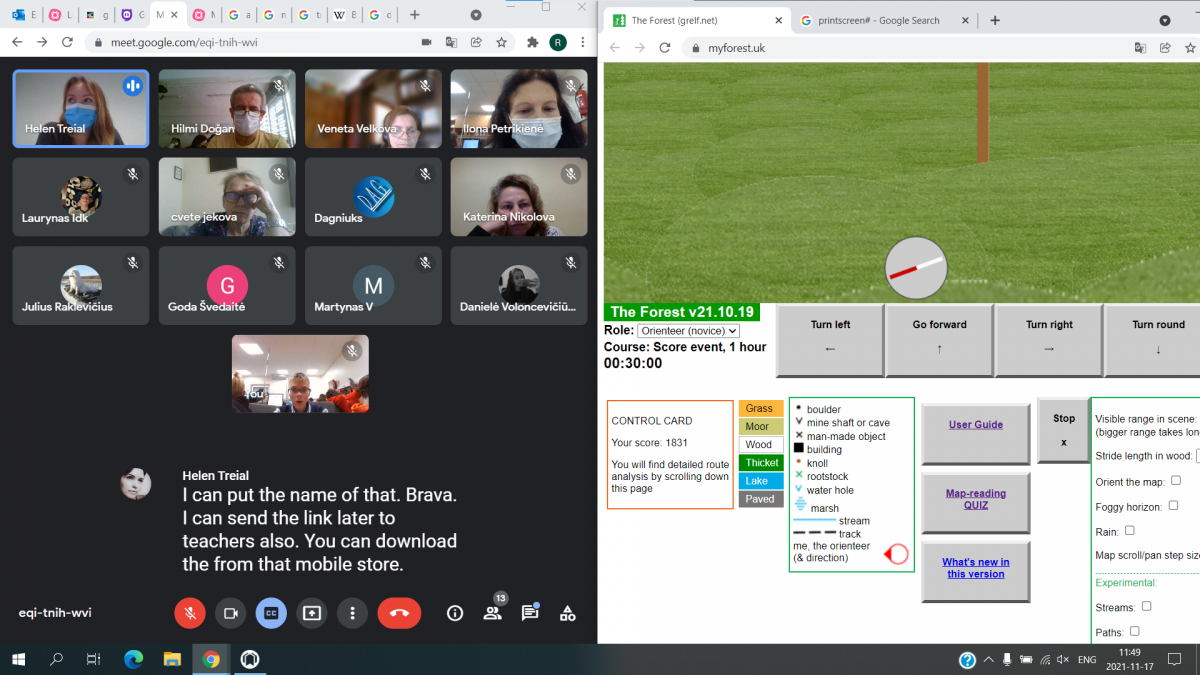
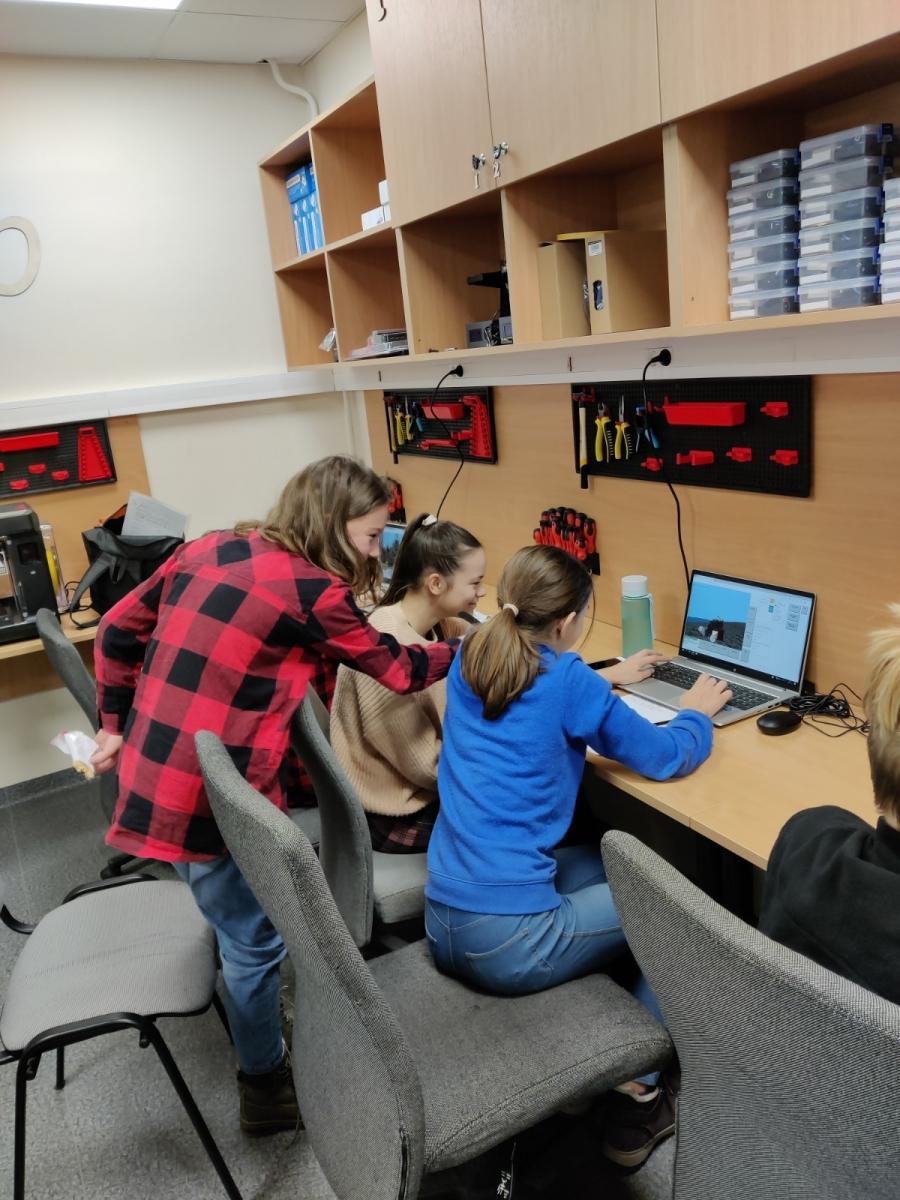
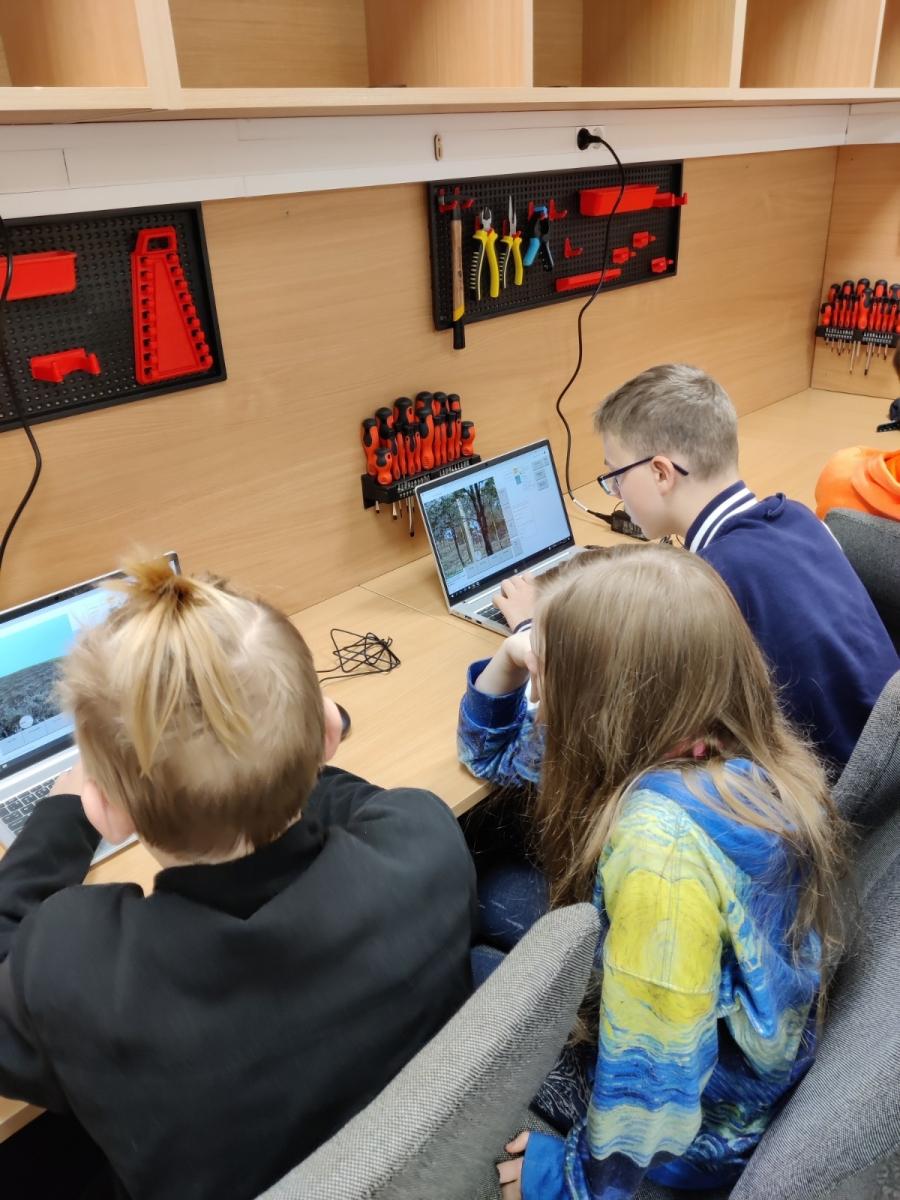
After that, the students got another task. They had to visit all the indicated points and get as many points as possible using the orientation program www.myforest.uk . The hardest part of this task was not to move forward and collect points but to go back within the set time without getting lost.

After a break, the students continued their unfinished mind maps about Lithuania: they searched for information about Lithuanian nature (plants, animals and more); about Lithuanian scientific inventions, sports achievements; about the most famous Lithuanian writers, poets, and their works.

The creation of mind maps was useful. The students remembered the history, geography and more about Lithuania. During the orienteering task, the children educated their knowledge of orienteering in maps. Summarizing today’s activities, the students discussed the creative work done by other countries on Monday and Tuesday.

Thursday, November 18th

The country of Turkey was presented today. One of the Turkish students introduced their unique cities, monuments, stunning seashores. We watched a movie about Antalya. It was interesting to see the glorious nature of Turkey, the cities that are very different from Lithuania.

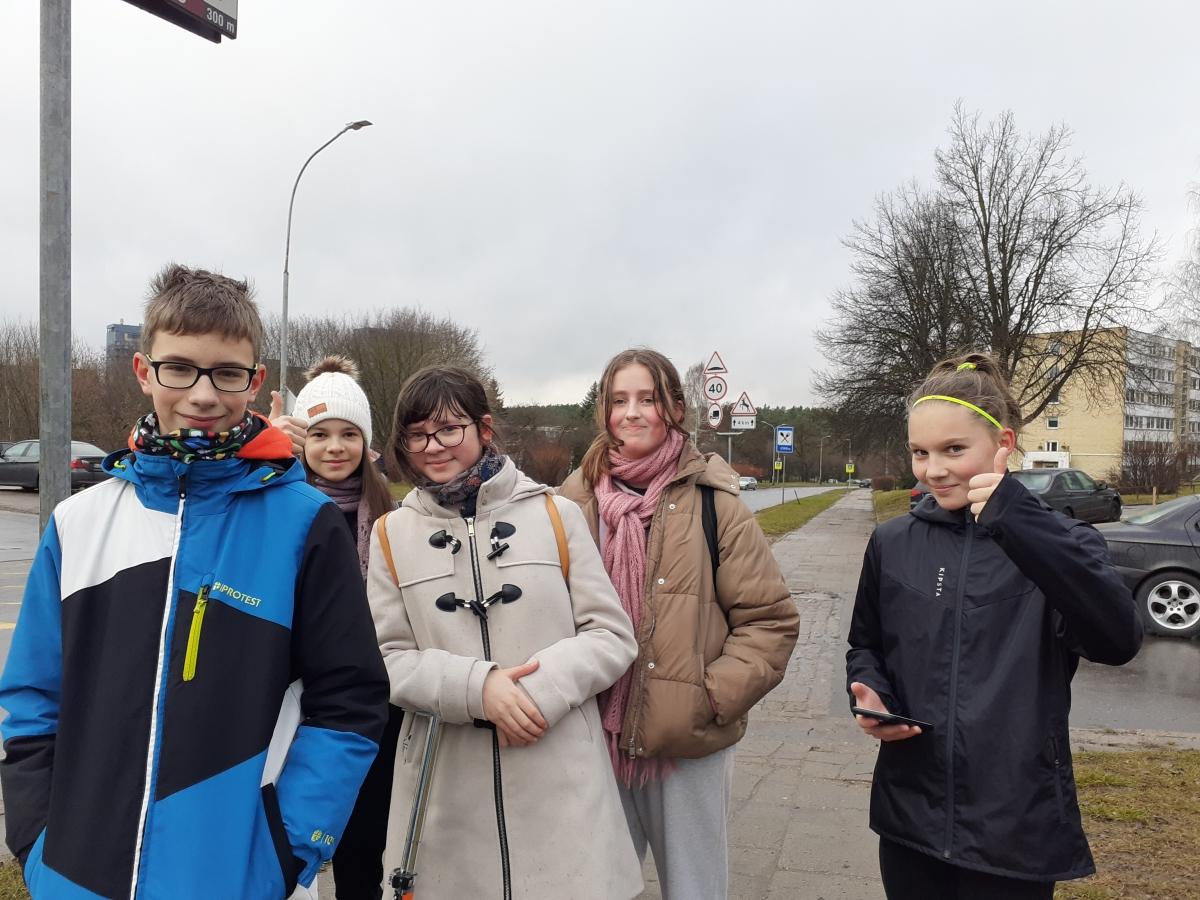
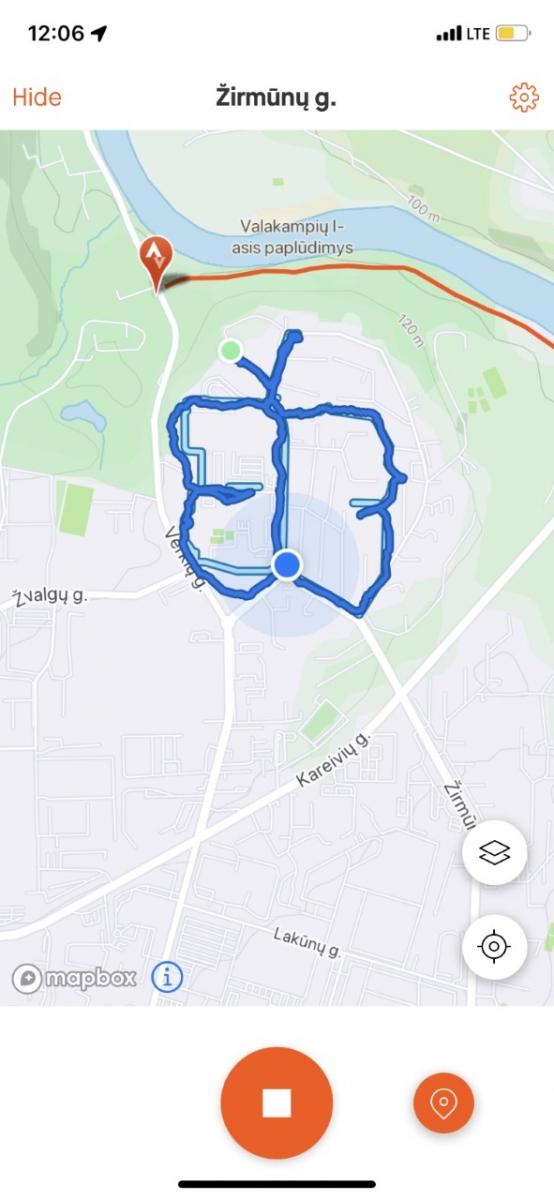
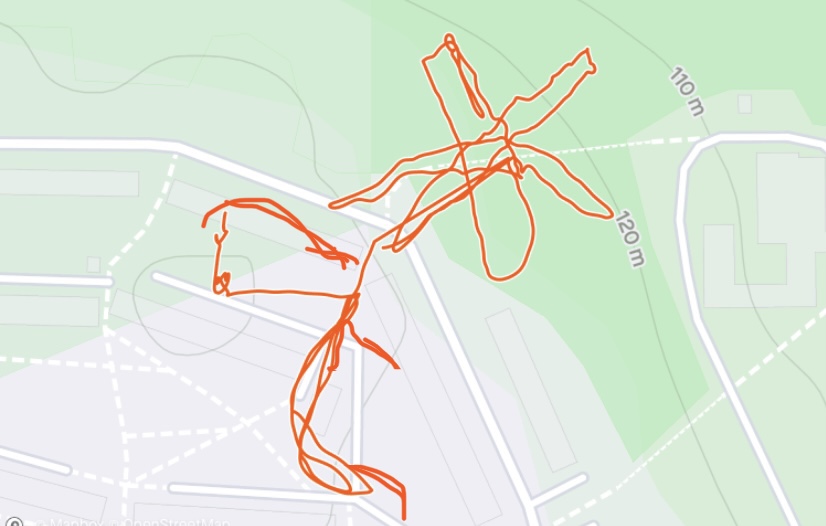
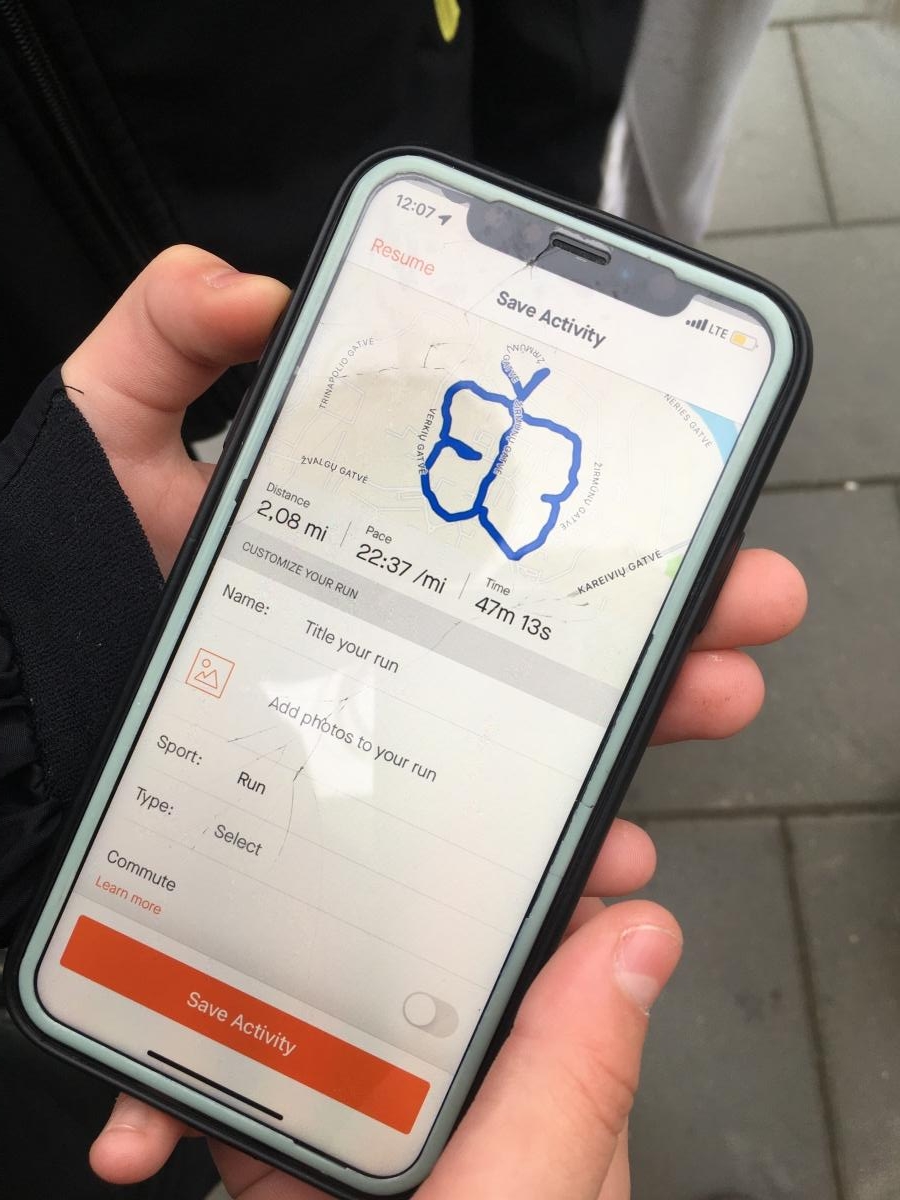
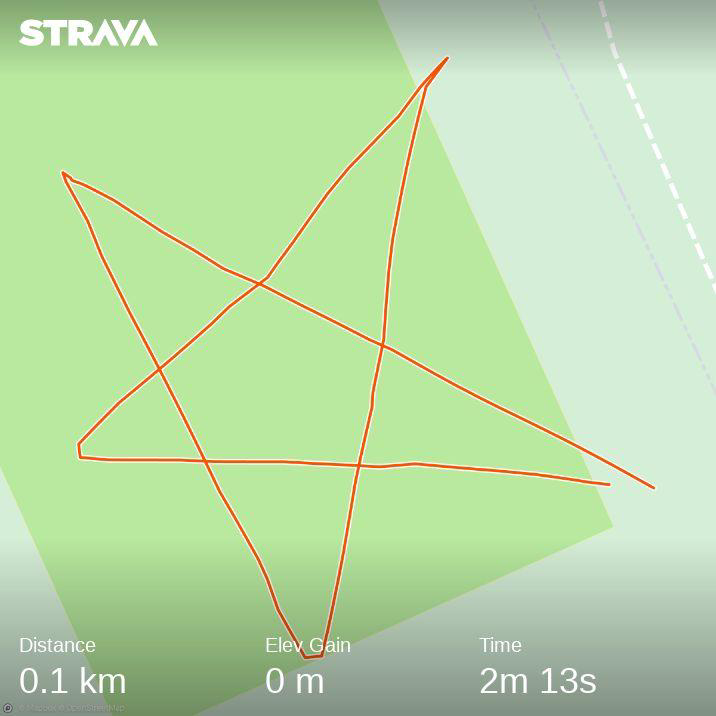
After that, the project coordinator presented the activities of the day. The children had to create a route on a map – a picture in the mobile phone app “Strava”. Then, using the generated map, children had to follow the needed path carefully to get the right image.

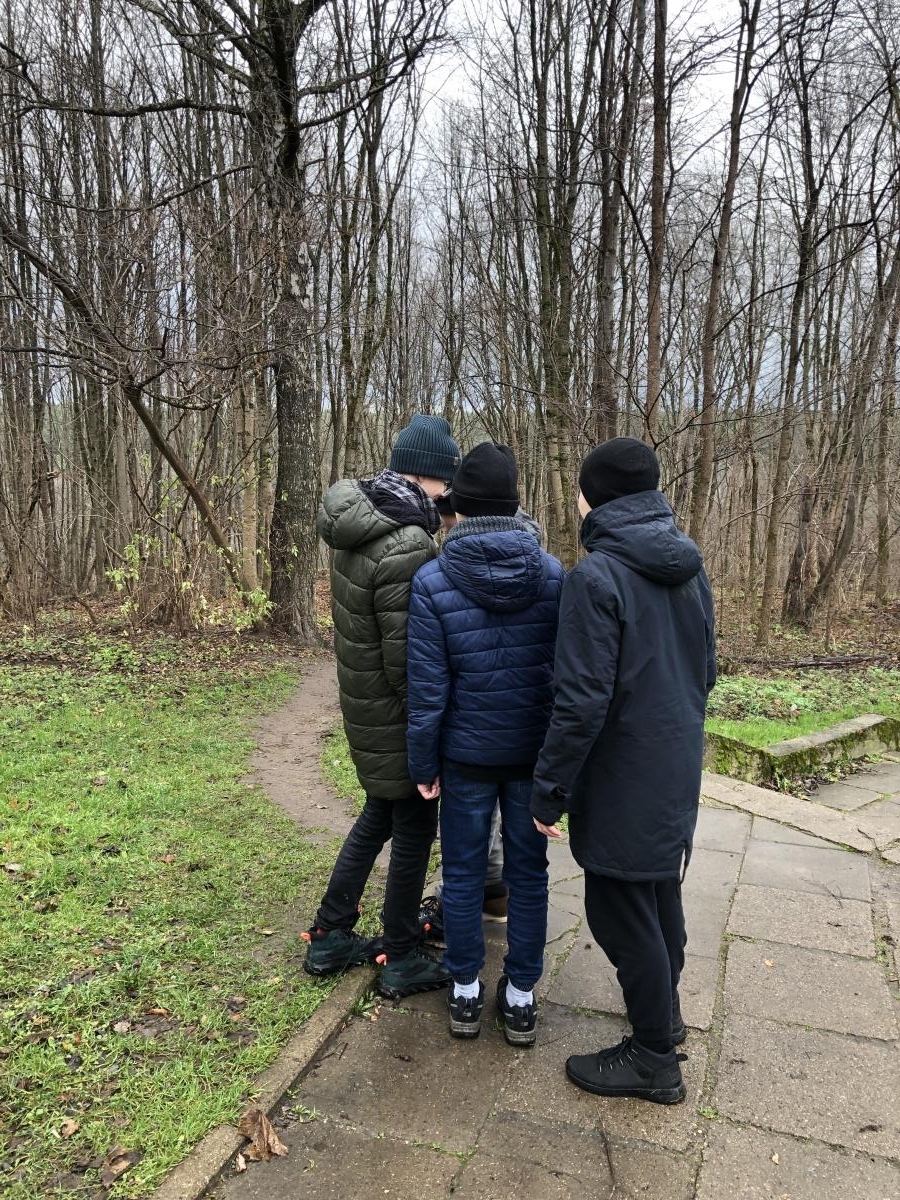
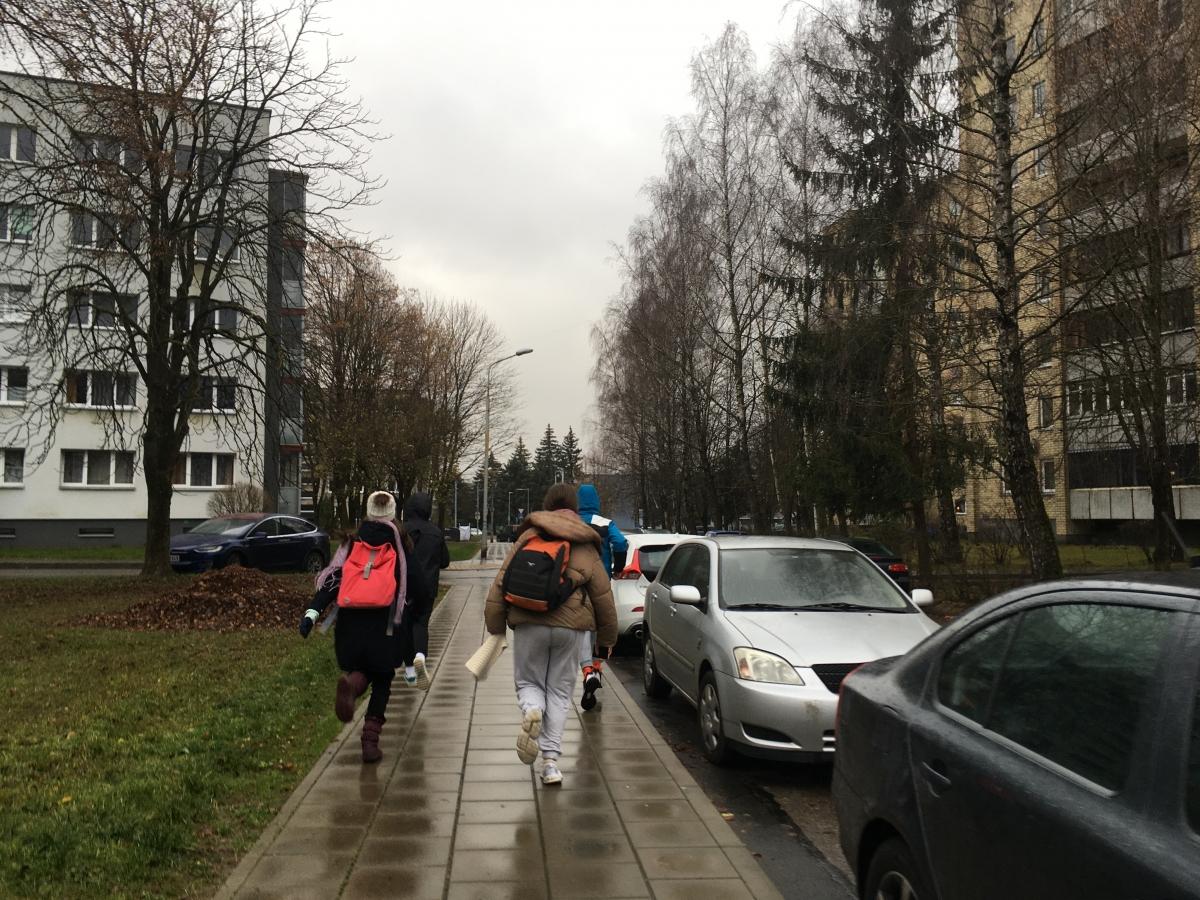
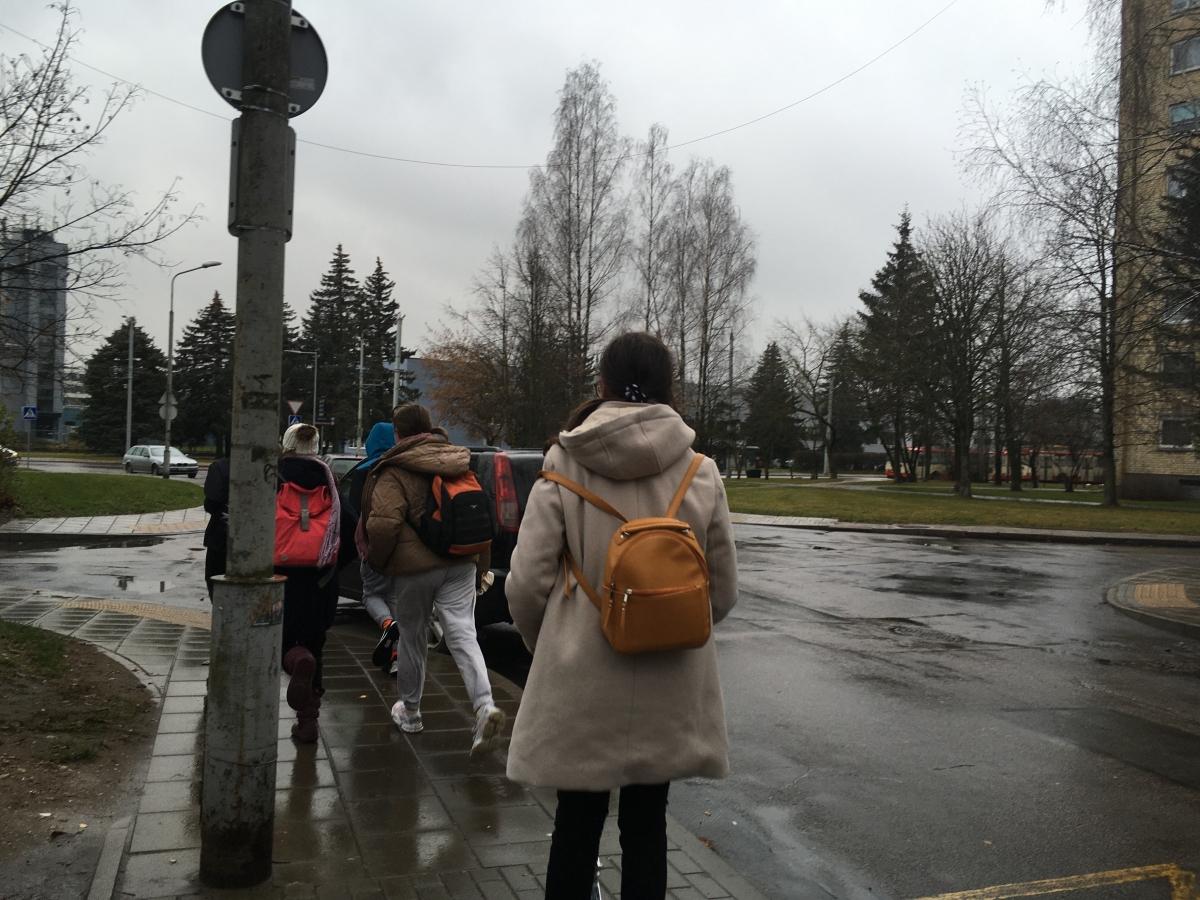
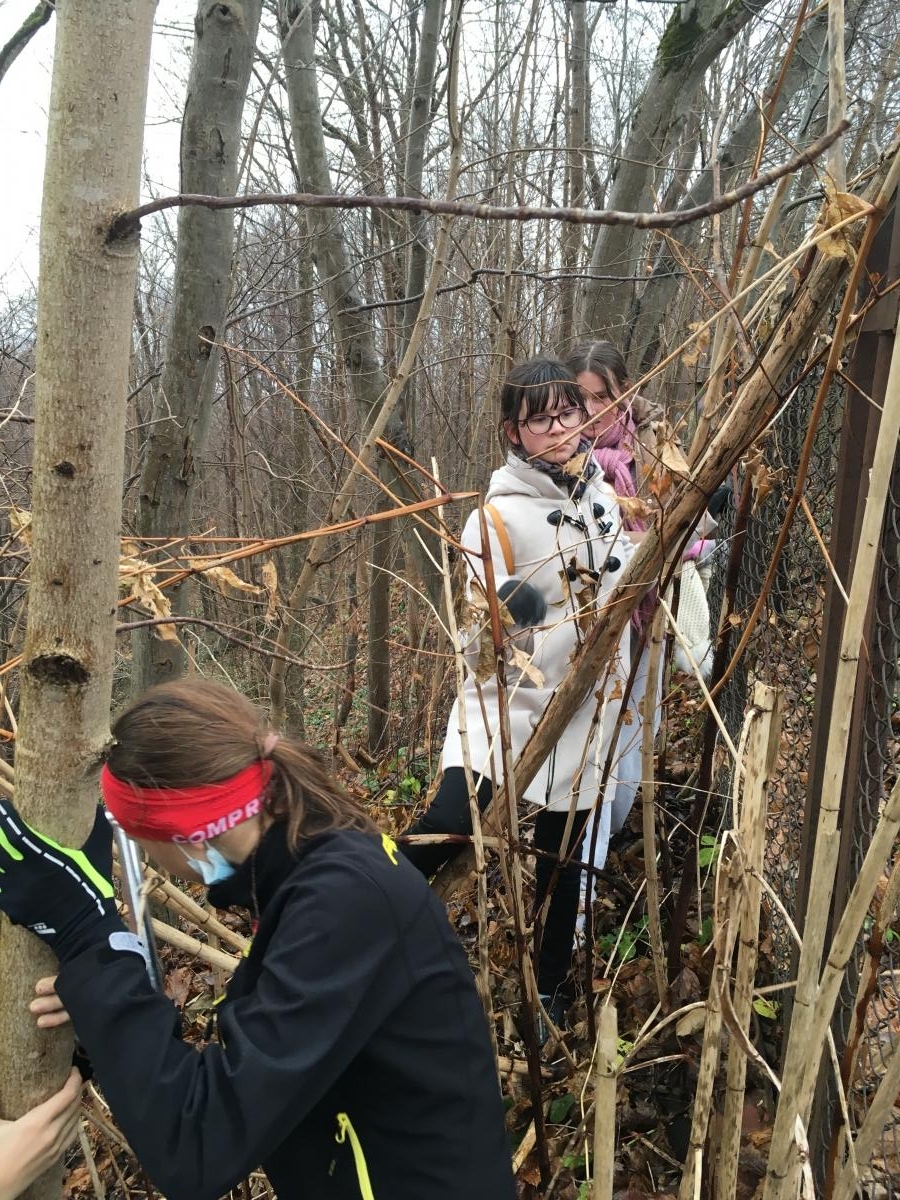
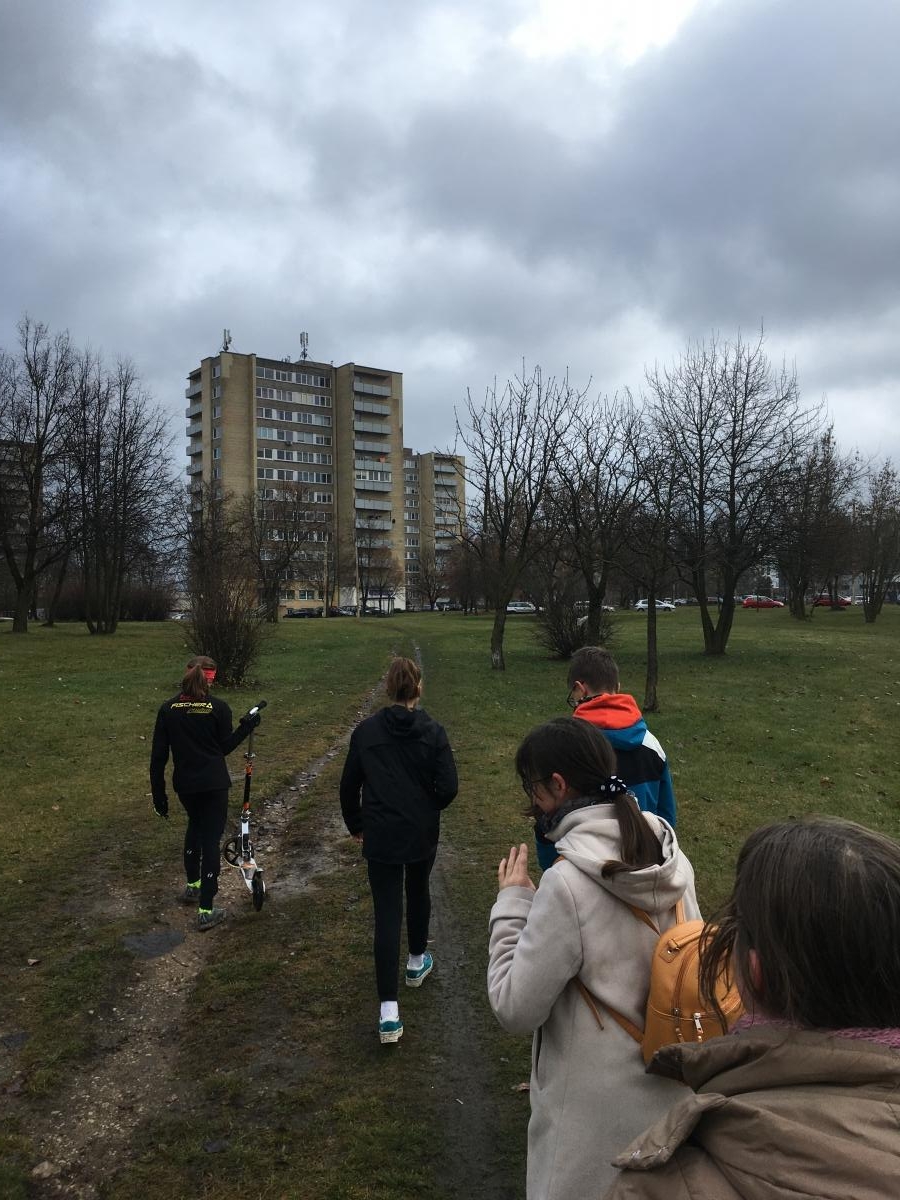
Students divided into groups, created, and drew their path with the app. After devising the route, they travelled around the Zirmunai district and successfully put together a shoe, a flower, a butterfly, and a star. Everyone spent most of the day outdoors.

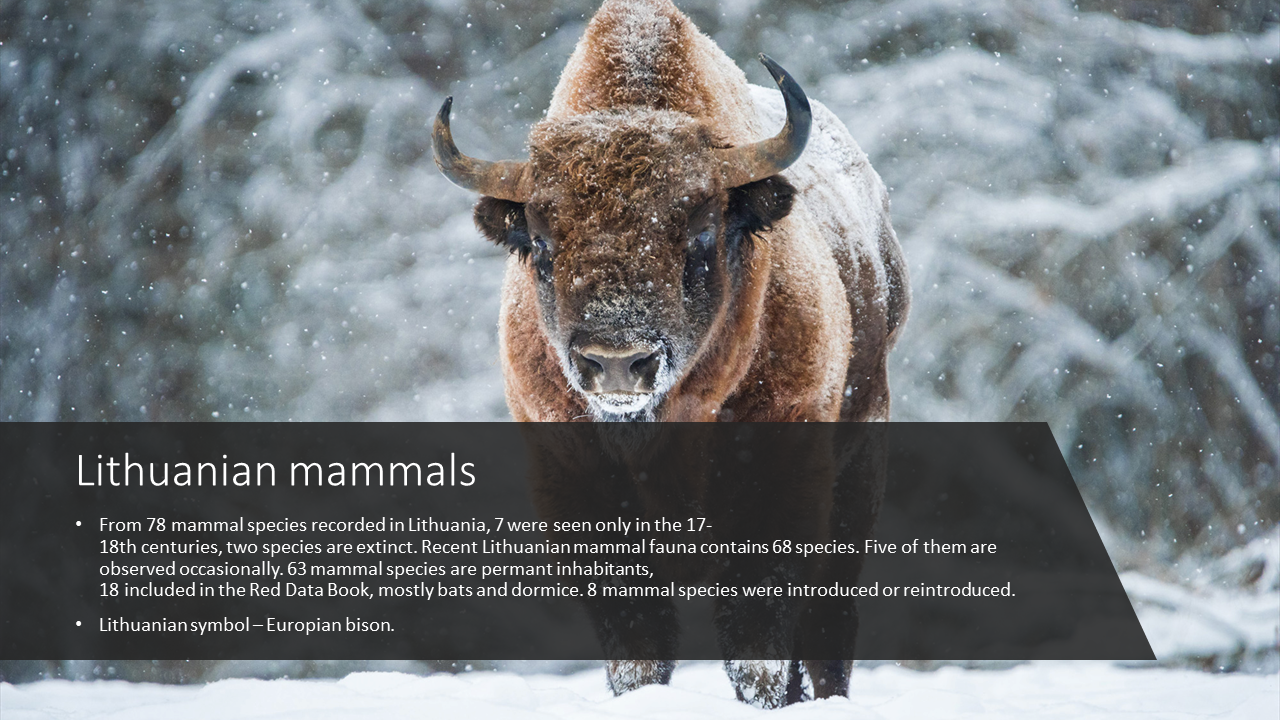
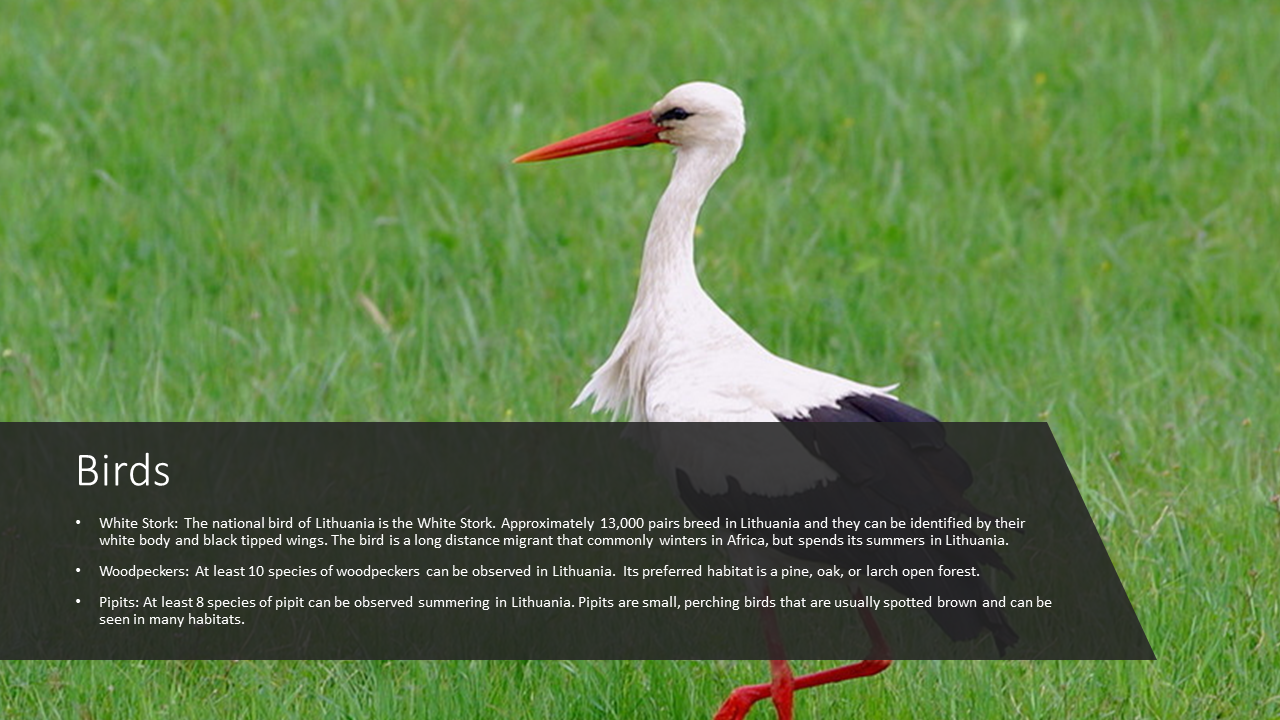
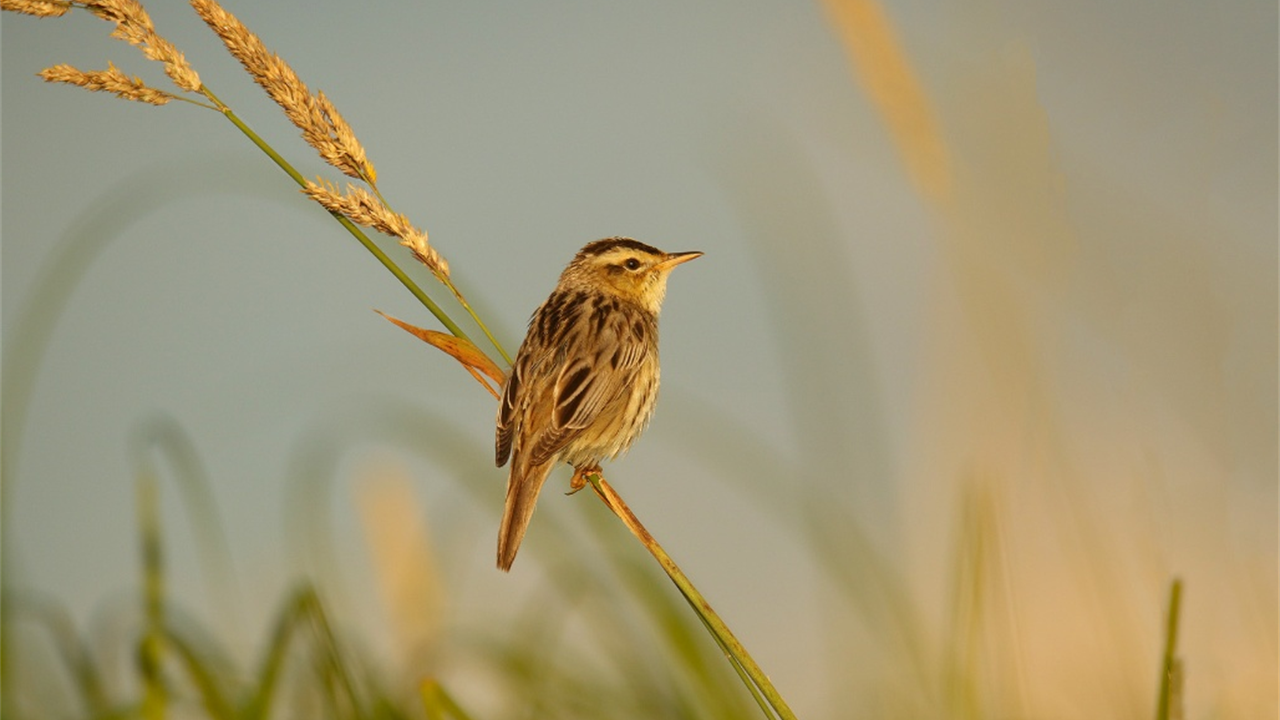
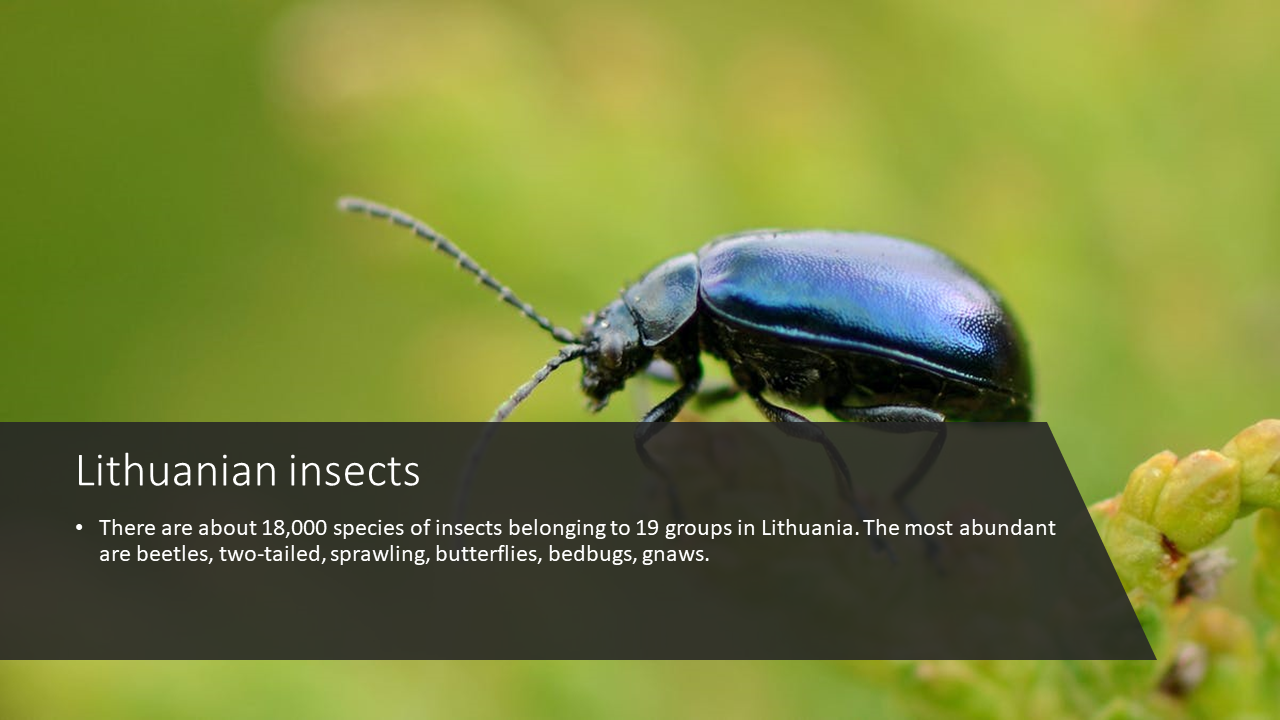
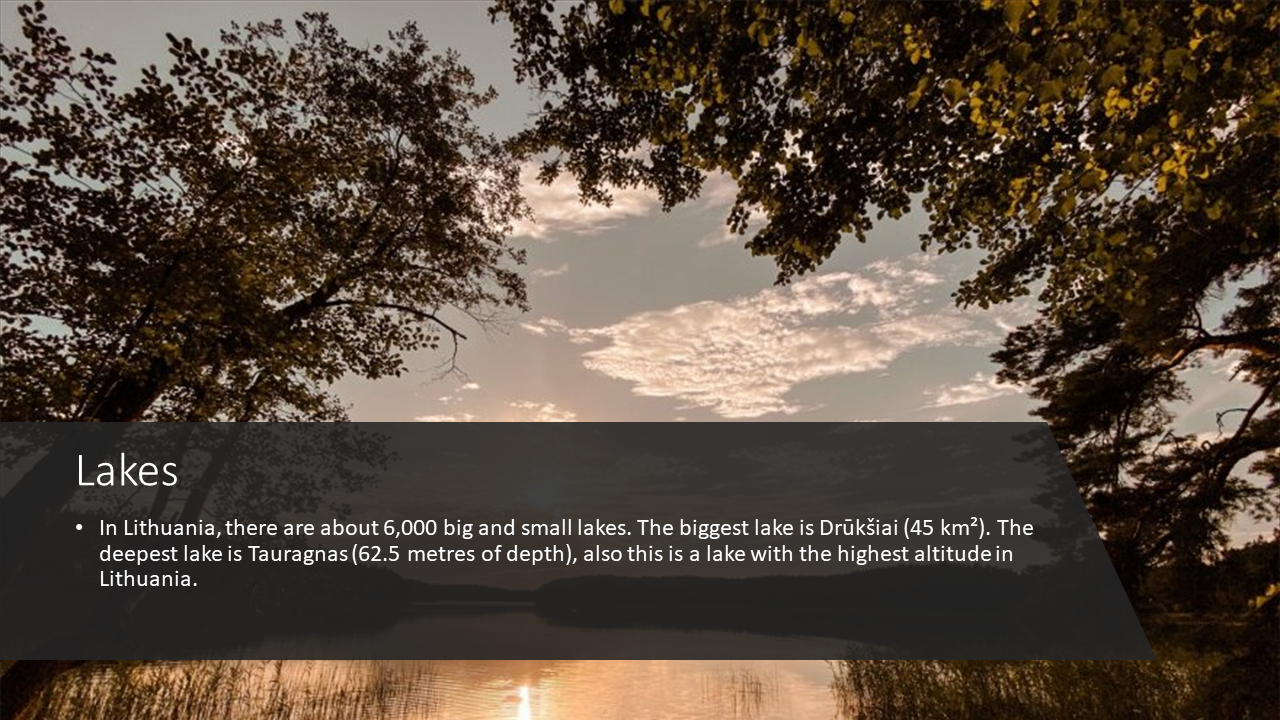
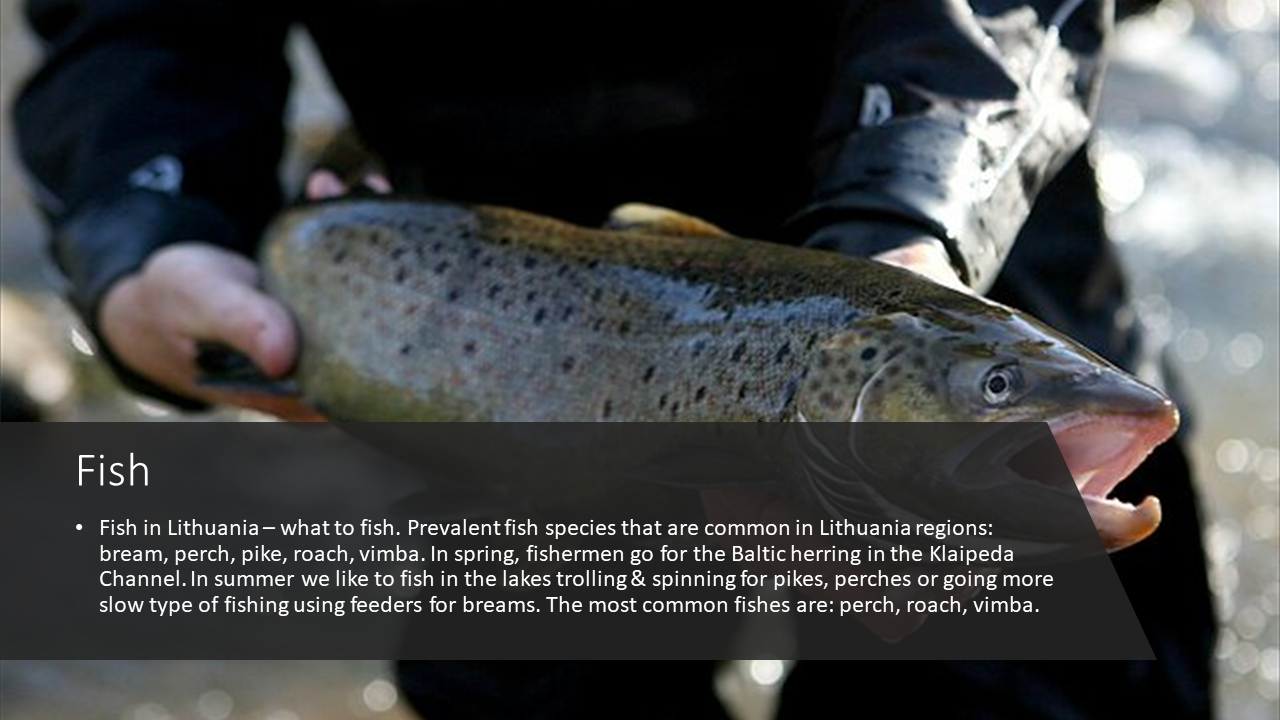
When they returned to school, everyone discussed about the presentation of Lithuania, which will take place tomorrow, on Friday. After reviewing our presentation about Lithuanian nature and landscape, we decided to supplement it with information about mammals, birds, insects, and fish.

The most fun part of the day for the students was walking to get out a picture. The students ran a lot during the activity, learned to orient themselves better and had a great time communicating and sharing experiences.

Friday, November 19th

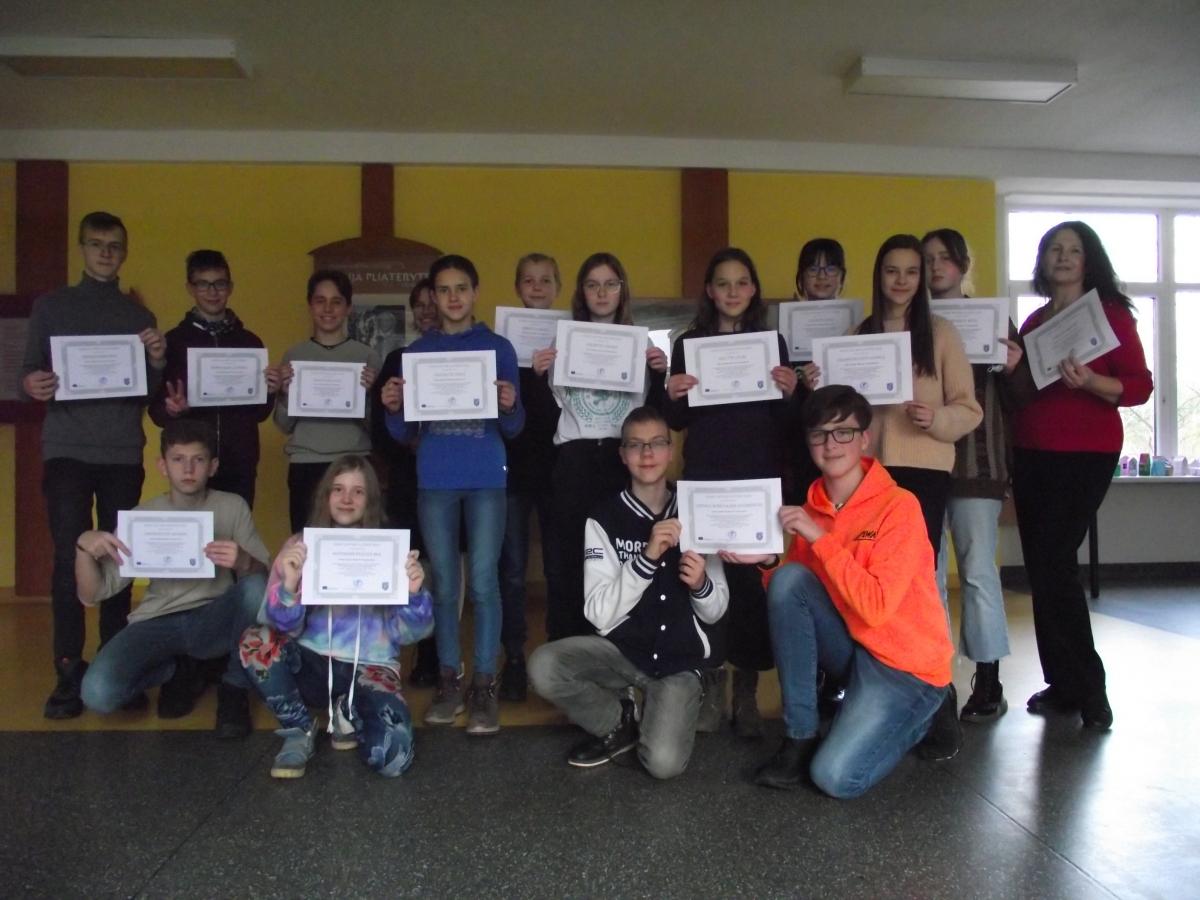
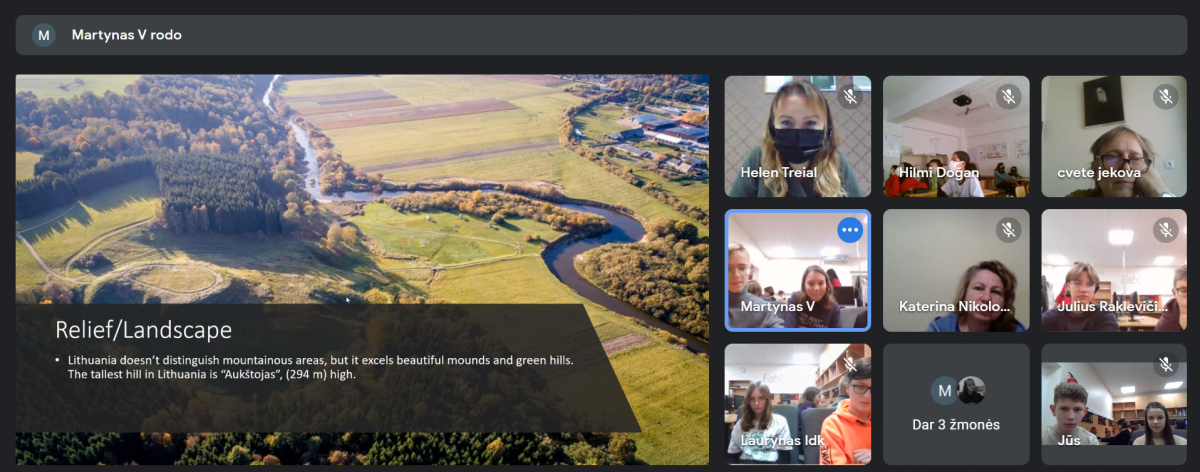
It’s the last day of the project. Today, the students from our school introduced our country – Lithuania. We showed everyone the rap about Lithuanian history performed by Dagnius and Daniele. Then we all presented a presentation prepared by Martynas about Lithuanian nature and landscape, in the end, a film about Lithuania edited by Dagnius. Project participants really enjoyed our work, and project coordinator Helen praised us for the original way of presenting our country. After a long and hard work, great results were achieved.

Project coordinators from other countries praised all the students for their activity and excellent performance. We thanked the Estonian school for the opportunity to participate in this virtual mobility, get acquainted with the new programs, and use them in the future. After that, the teacher Ilona gave certificates to everyone.

Throughout this project, the children acquired new skills, became friends with each other, and learned to cooperate. The students really liked it; we hope to be able to meet live in the future.

The special correspondent Daniele

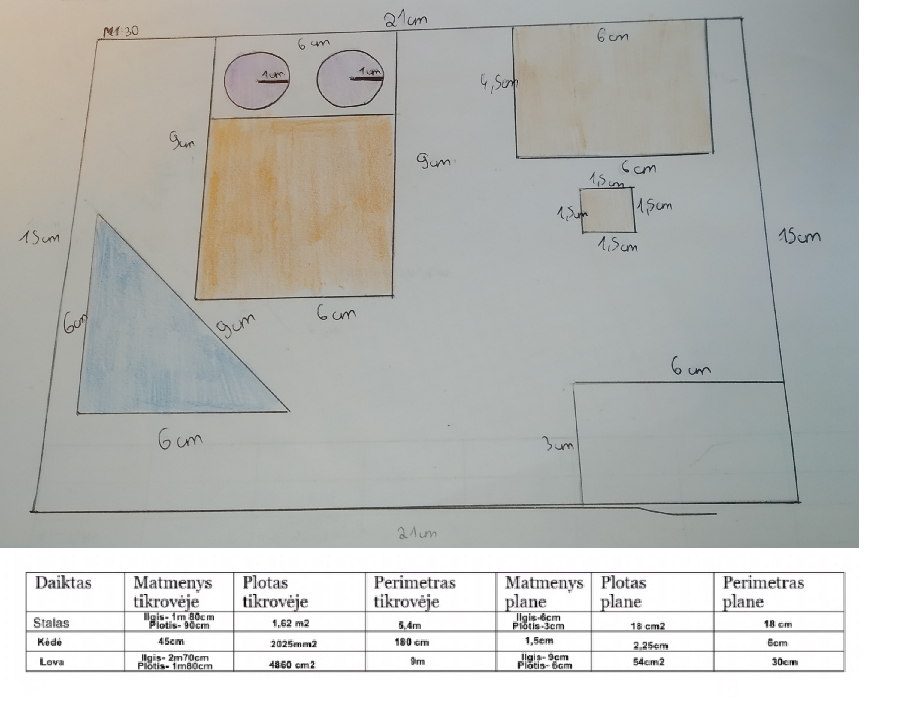
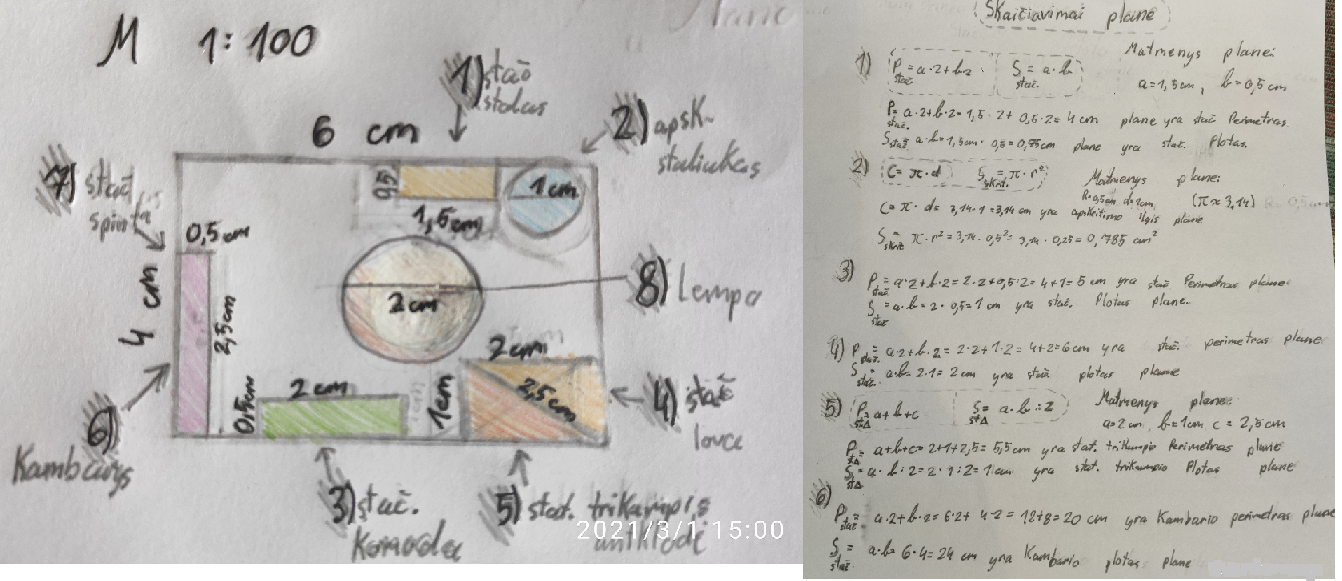
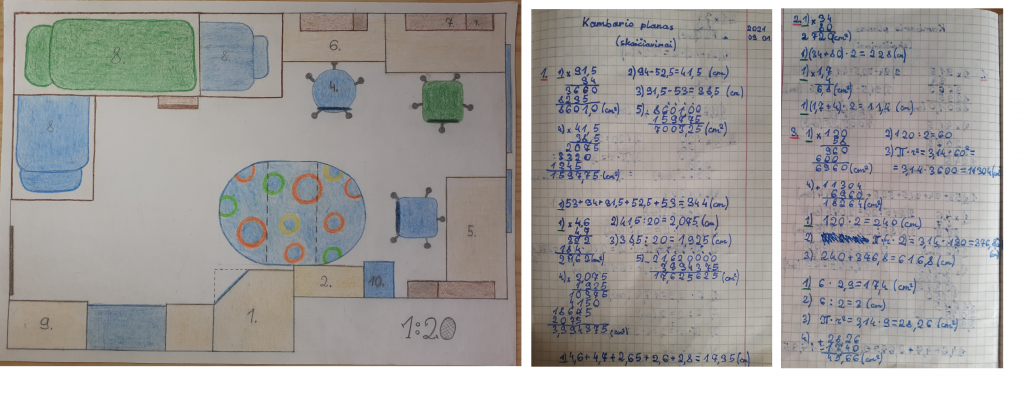
How to Calculate the Area of a Room?

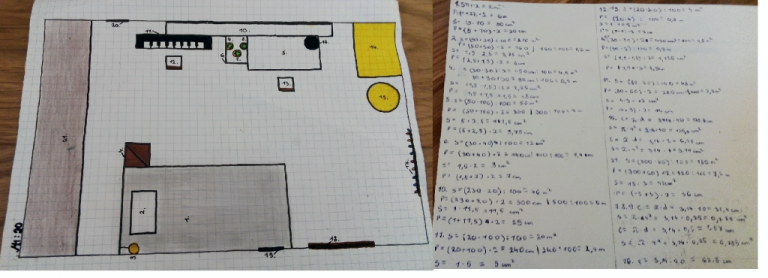
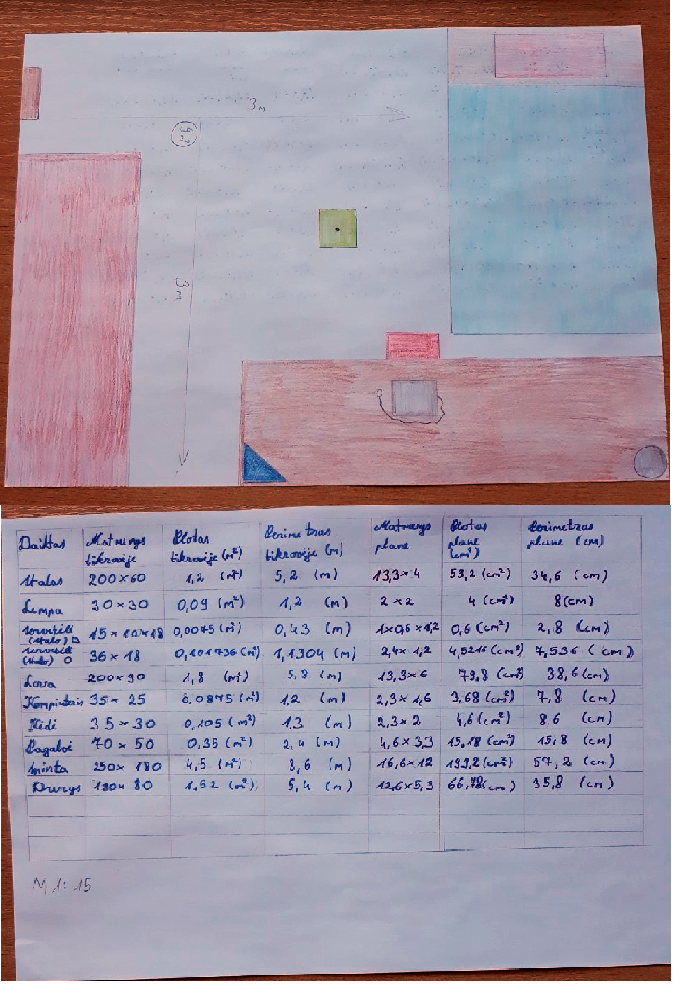
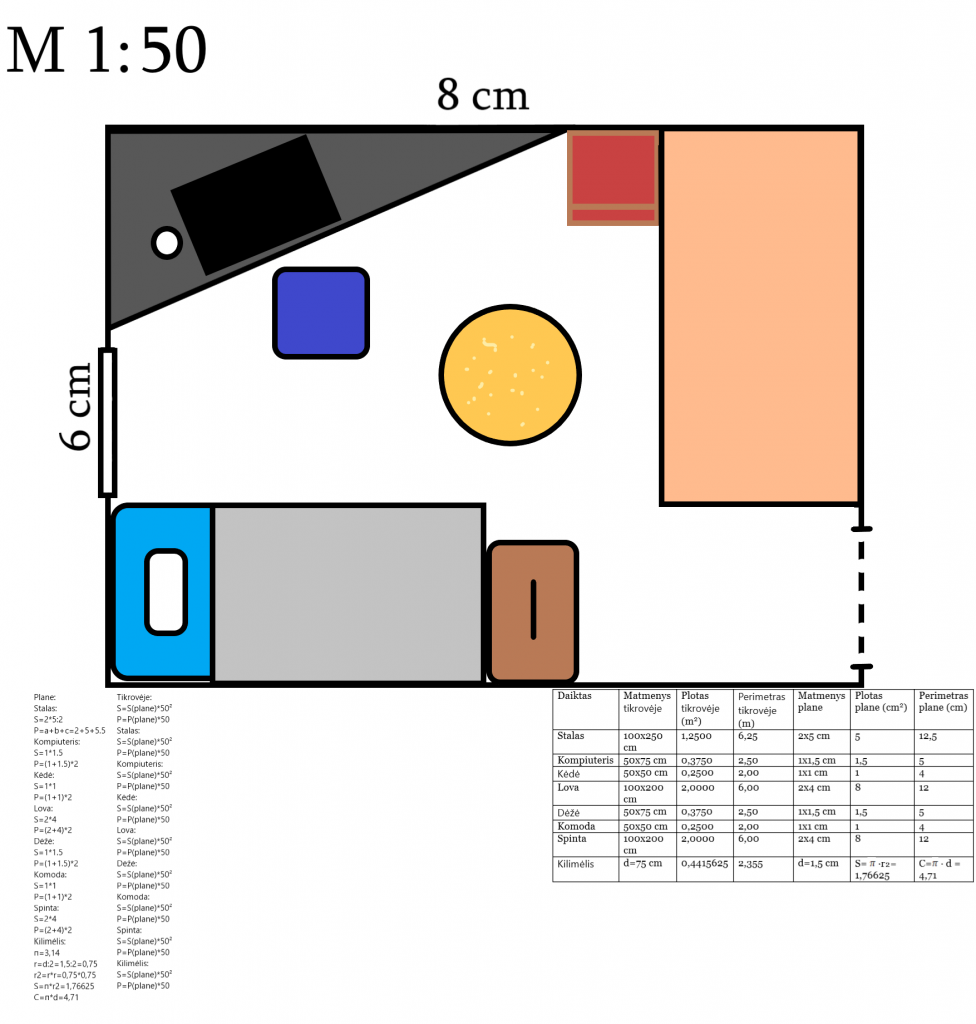
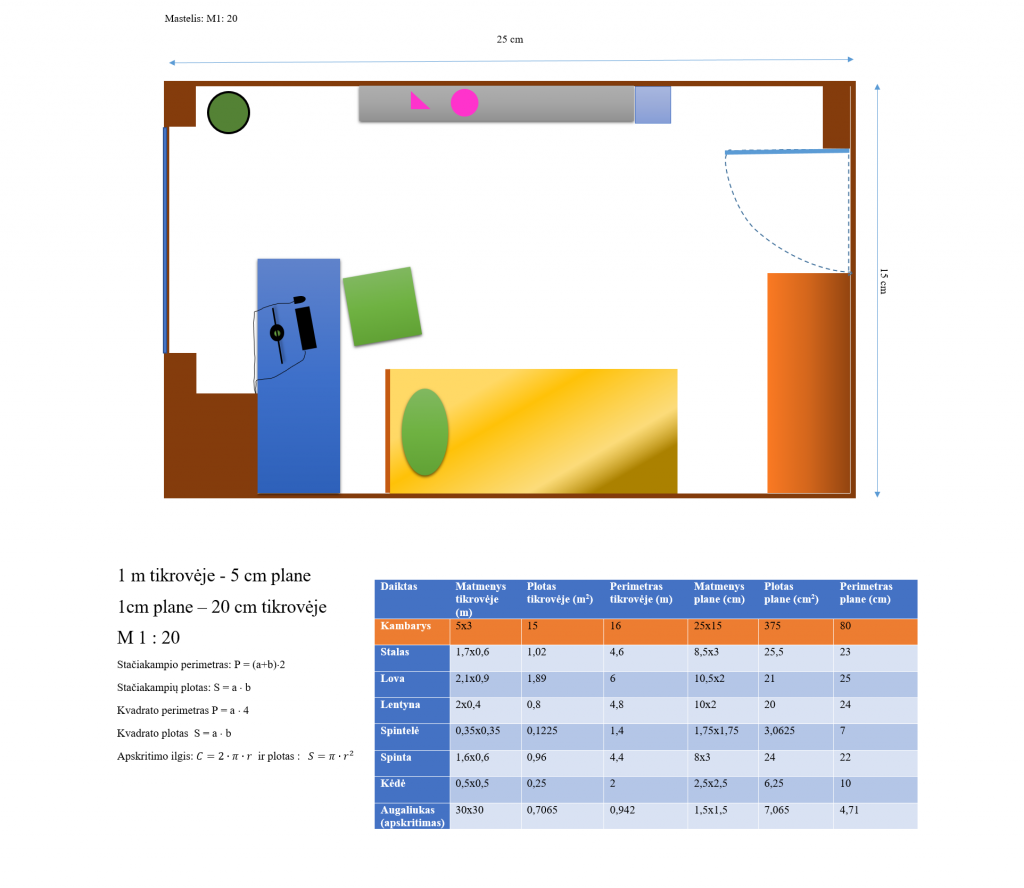
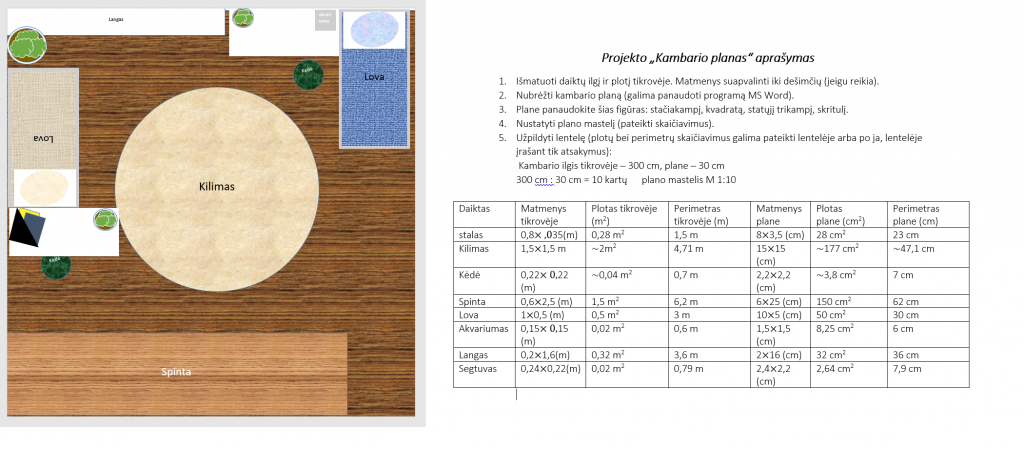
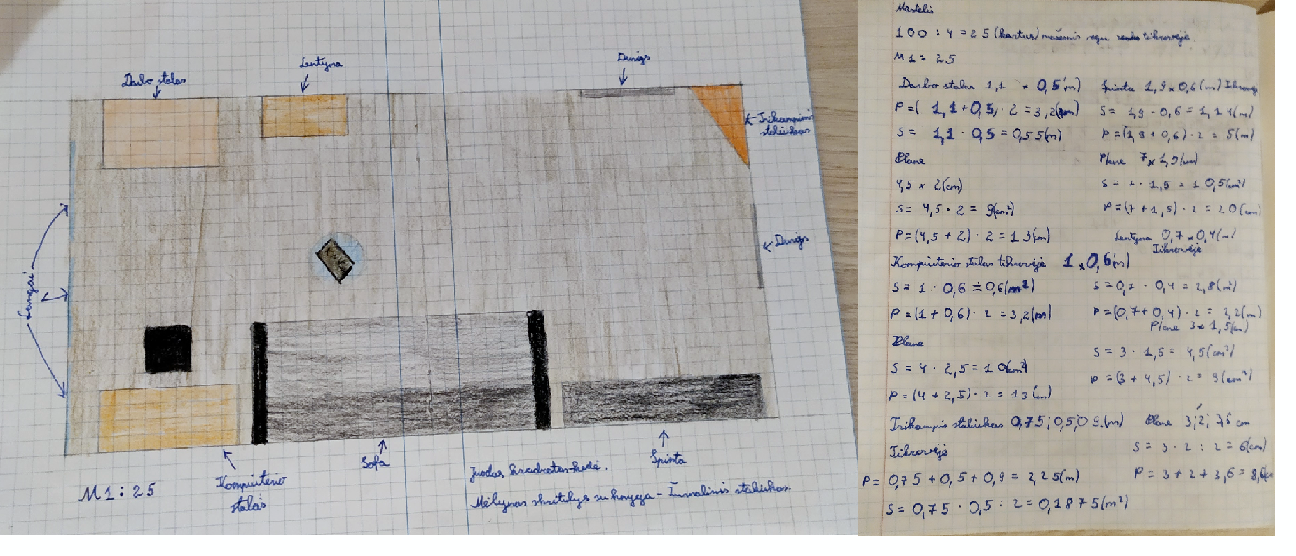
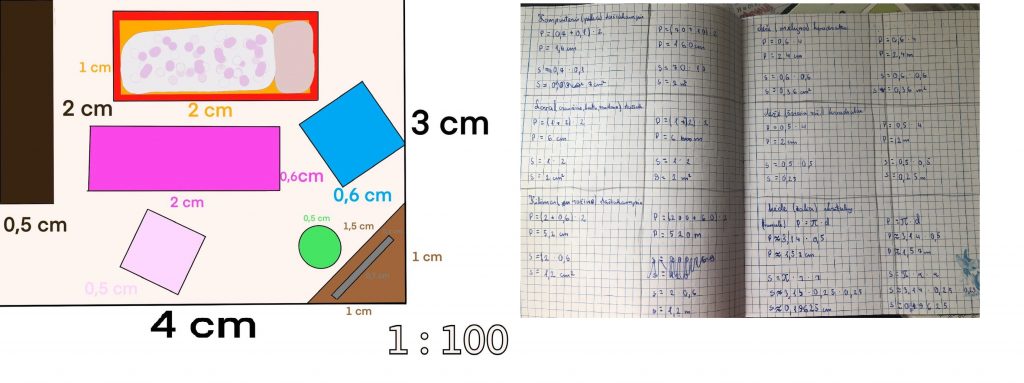
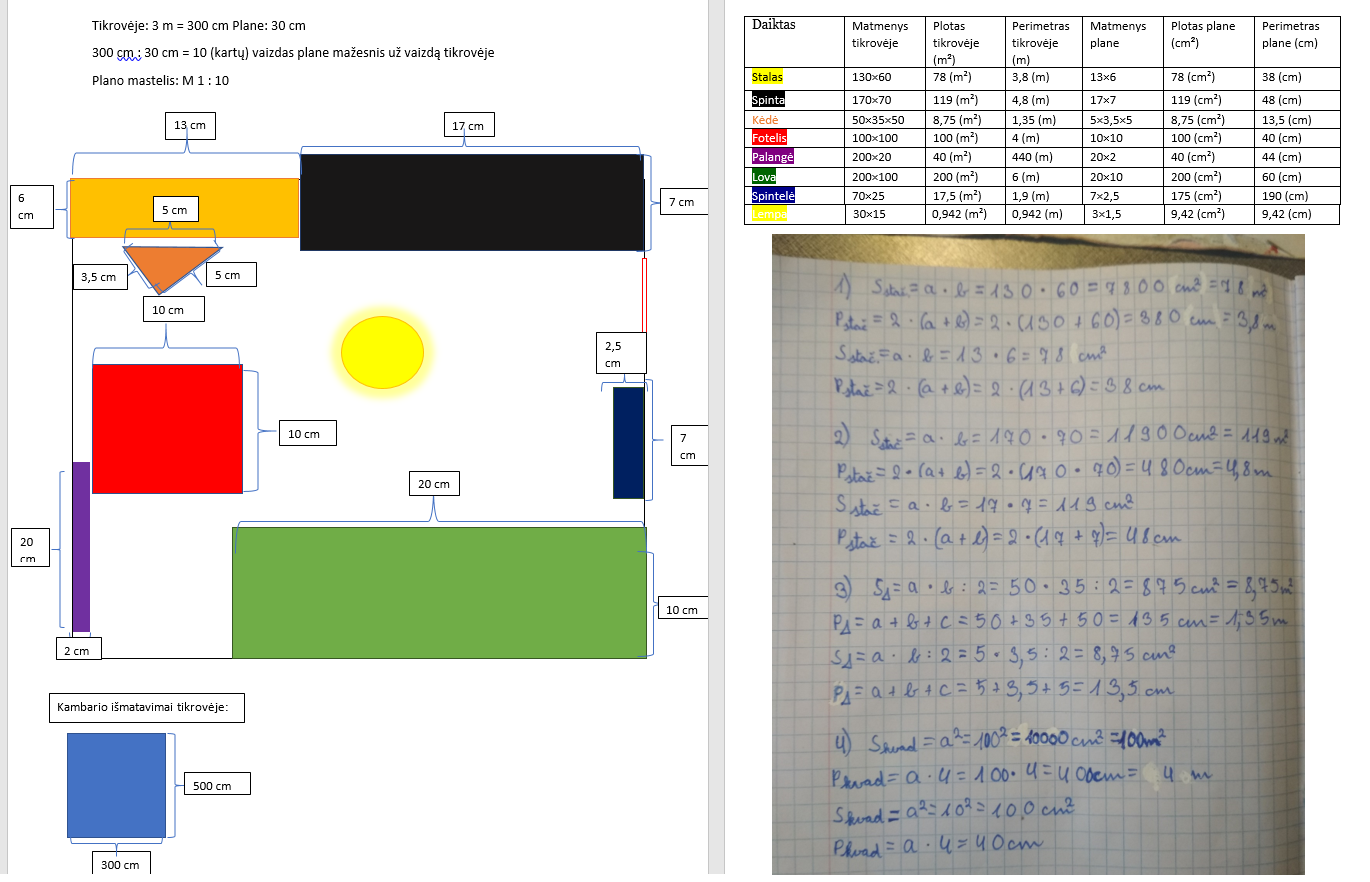
In March the international Erasmus+ skillfull thinking-Active learning project was integrated into 6d maths lessons. During the lessons, students after the explanations about the scale, the area and perimeter calculation, had to draw a plan of their room and calculate the areas and perimeters of the objects contained in it in reality and in the plan. During the work, the pupils needed different skills and competencies, but the result of the work was pleasant and interesting. Math teacher Jelena shares her work.

Dissemination webinar on sharing experience

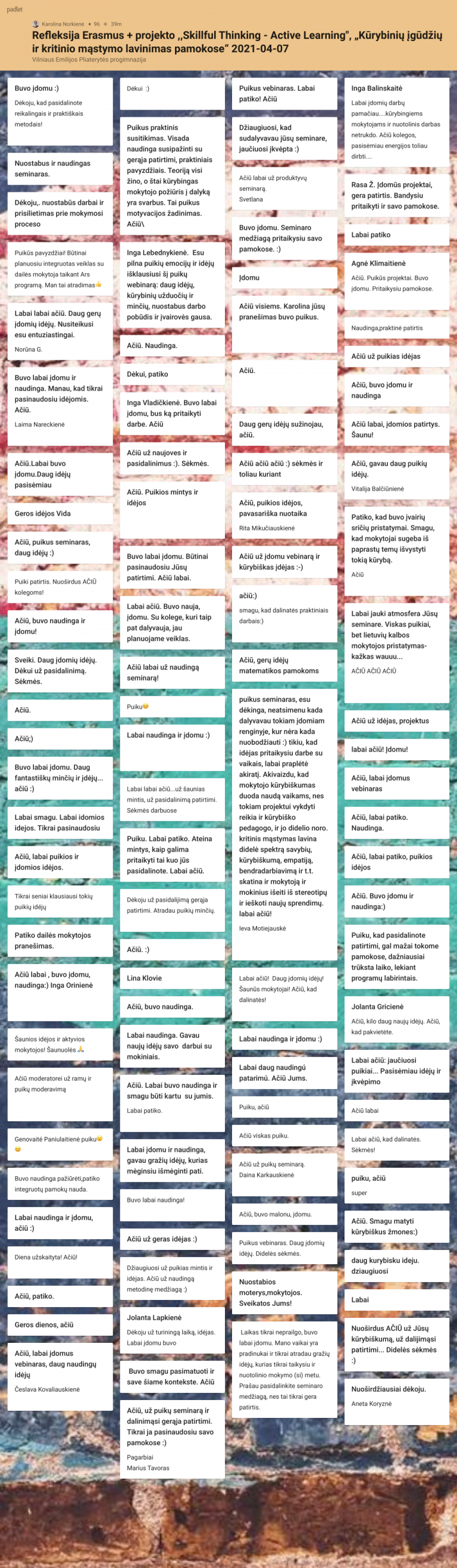
Students’ holiday is a great time for teachers to discuss and share good experience in teaching and learning. Taking part in Erasmus+project ‘Skillful thinking-Active learning’ teachers from our school have gained useful experience in different teaching methods, which were presented and discussed with other Lithuanian teachers on 7th April webinar. More than 390 participants from various towns of the country took part in the event. The feedback showed that the teachers were inspired by some of the ideas and would use them in their schools. 

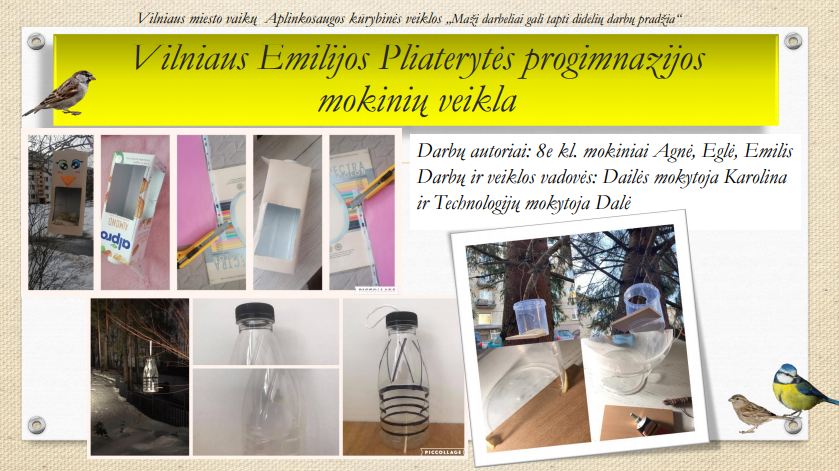
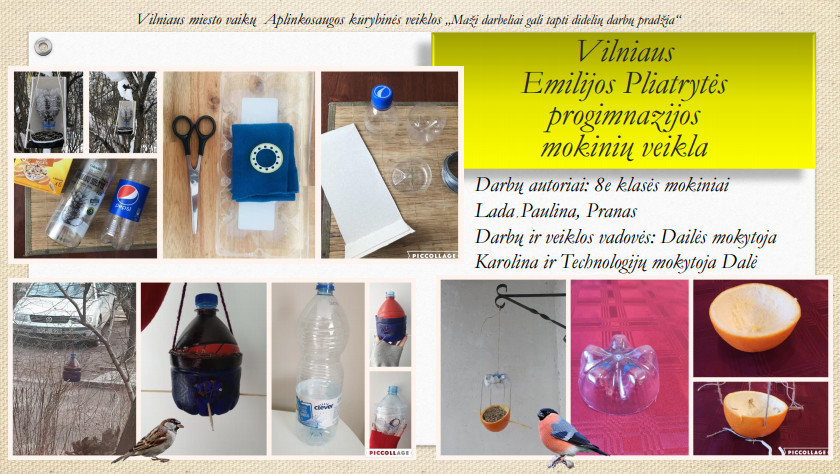
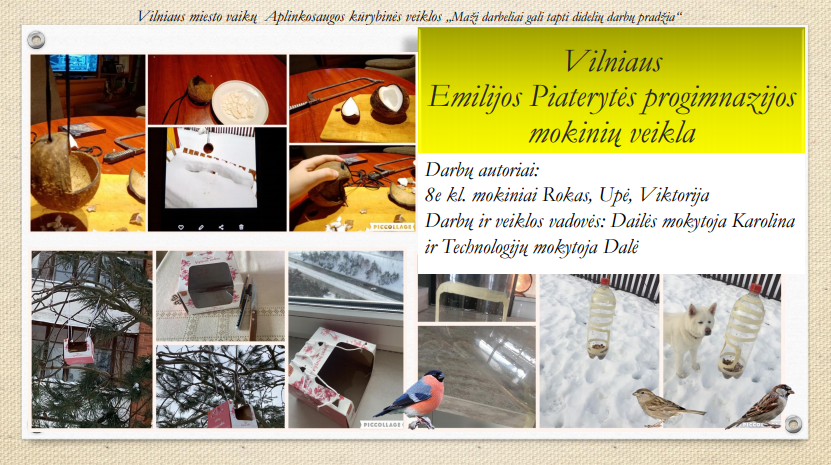
Original bird feeders

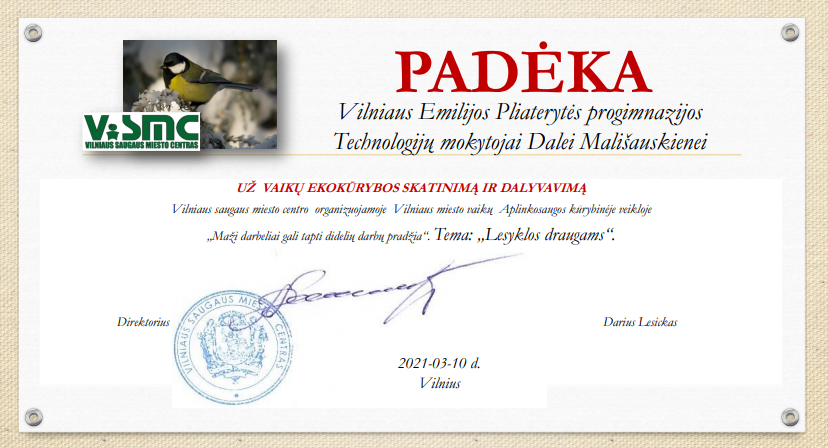
The activity of Erasmus+project ‘Skillful thinking-Active learning’ was integrated into art and design lessons of classes 8E, 5A, 5B, 5C, 5D, 5E and 5F. The students were getting ready for the eco competition. They designed original bird feeders fromrecycled materials. Later the students took pictures of birds feeding there. The students were supervised by teacher Karolina,  teacher Audrone, teacher Dale and teacher Audrius. 

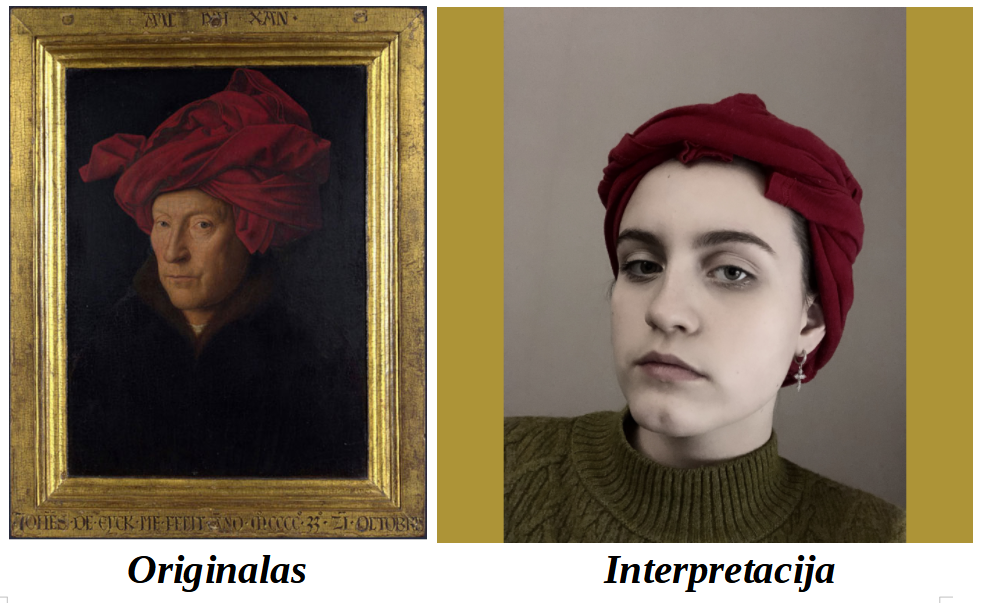
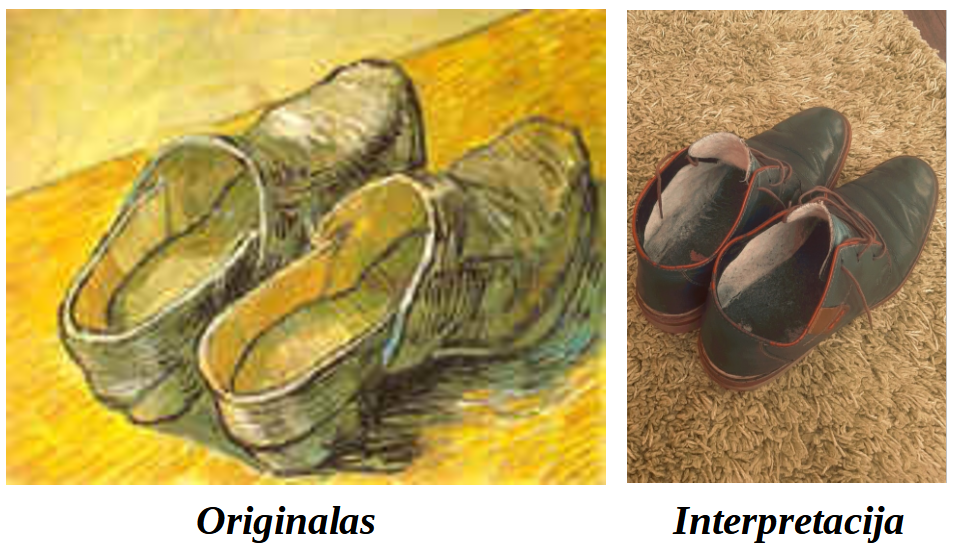
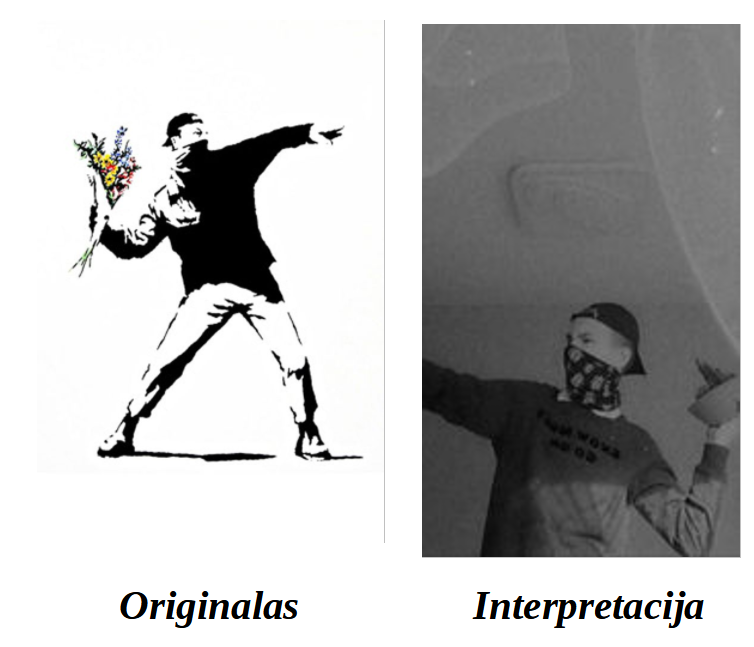
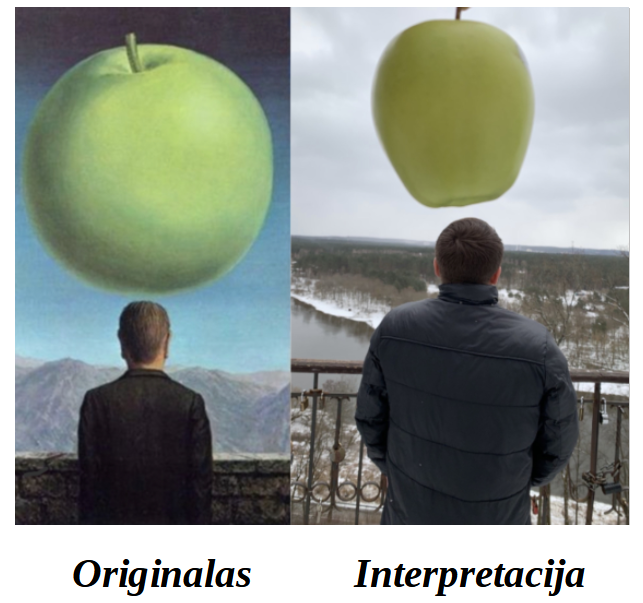
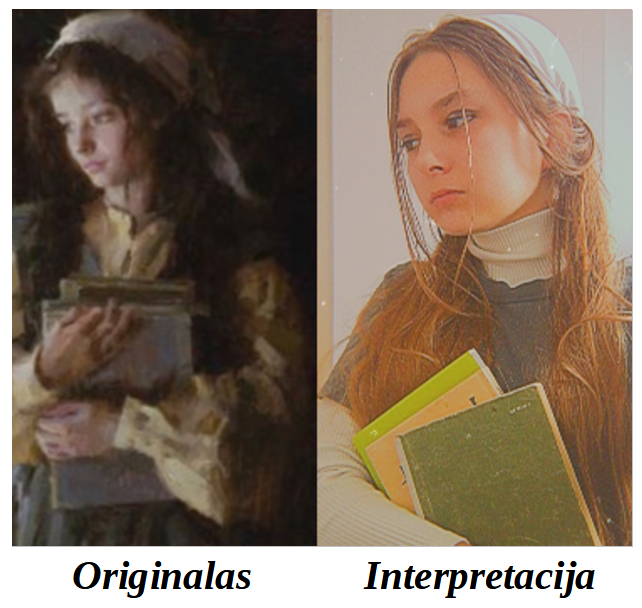
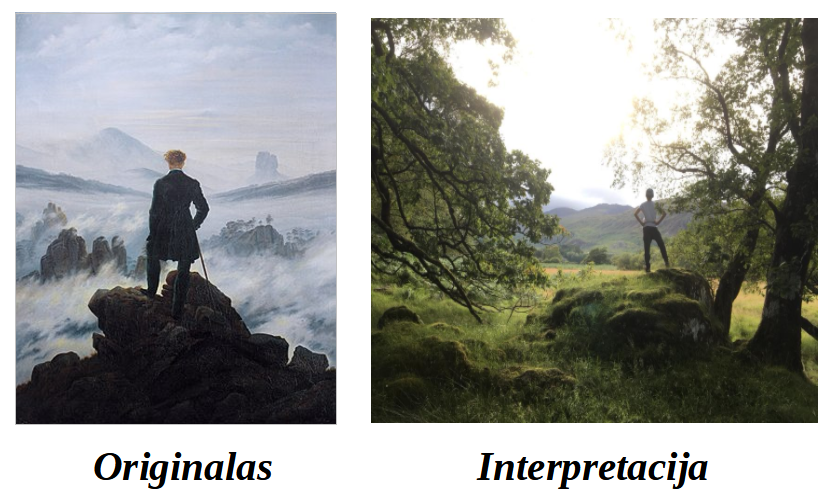
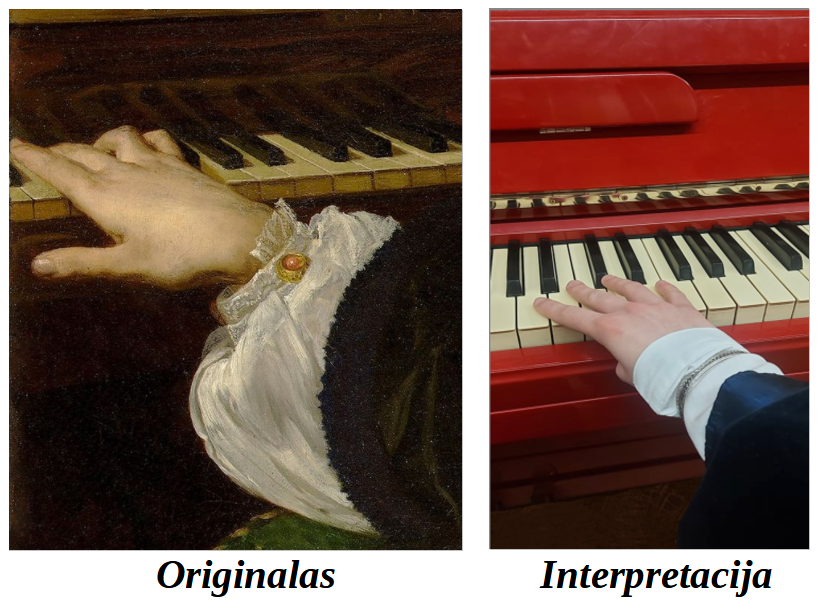
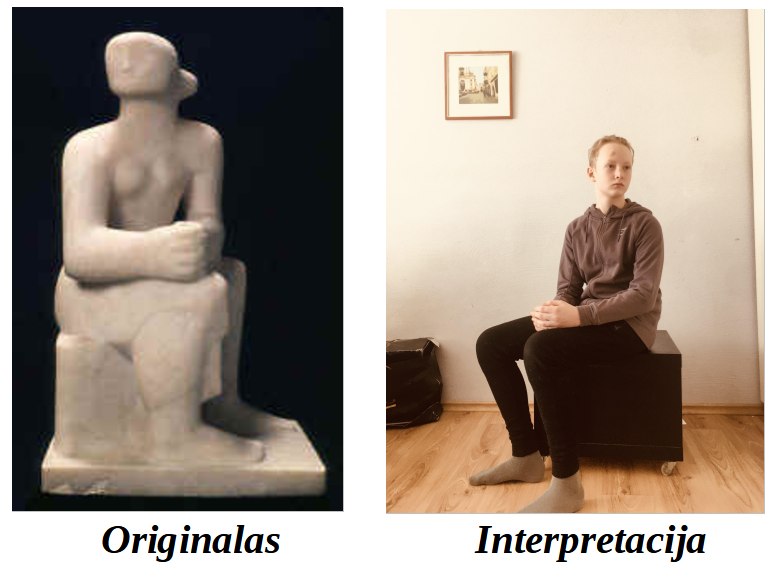
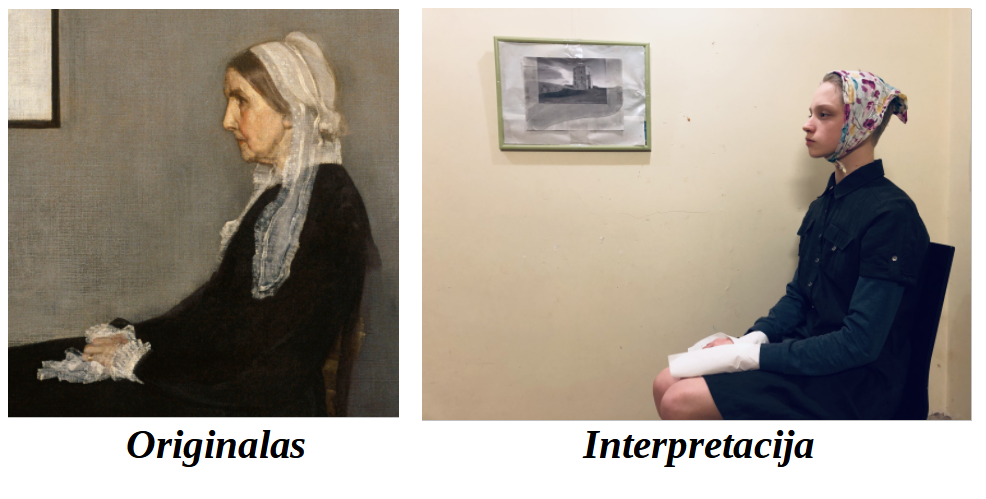
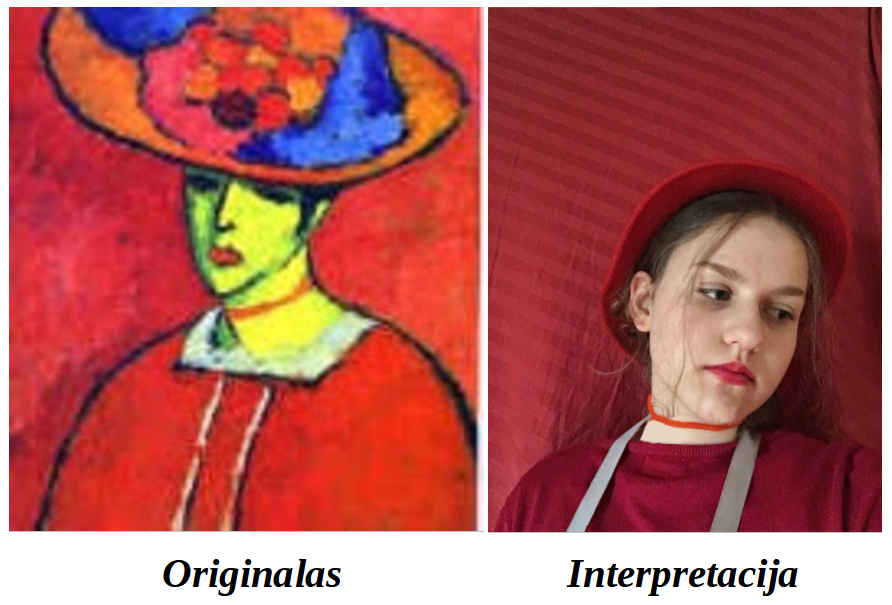
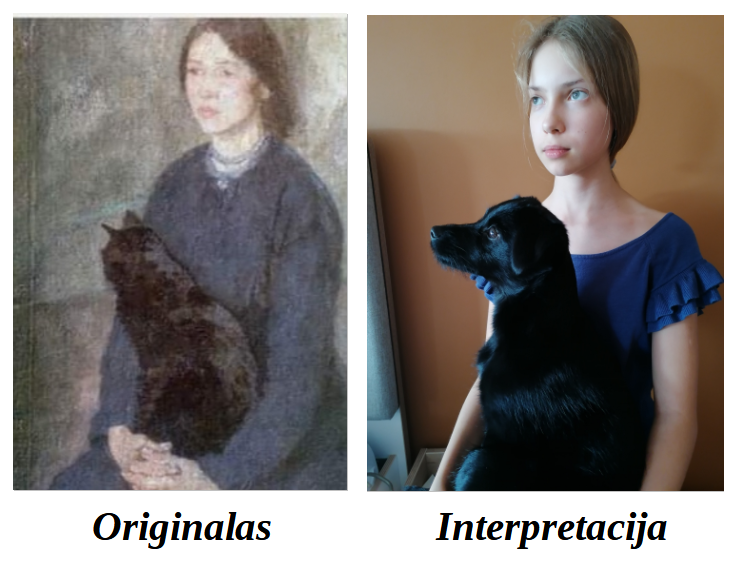
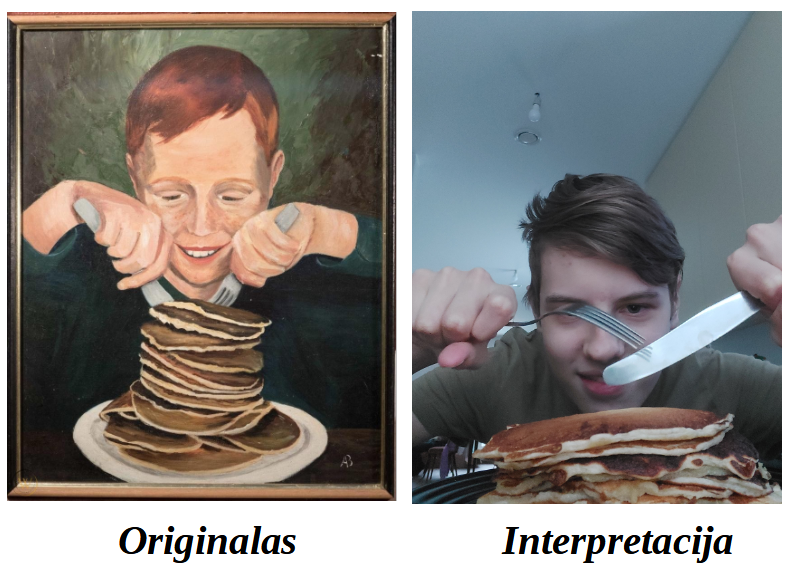
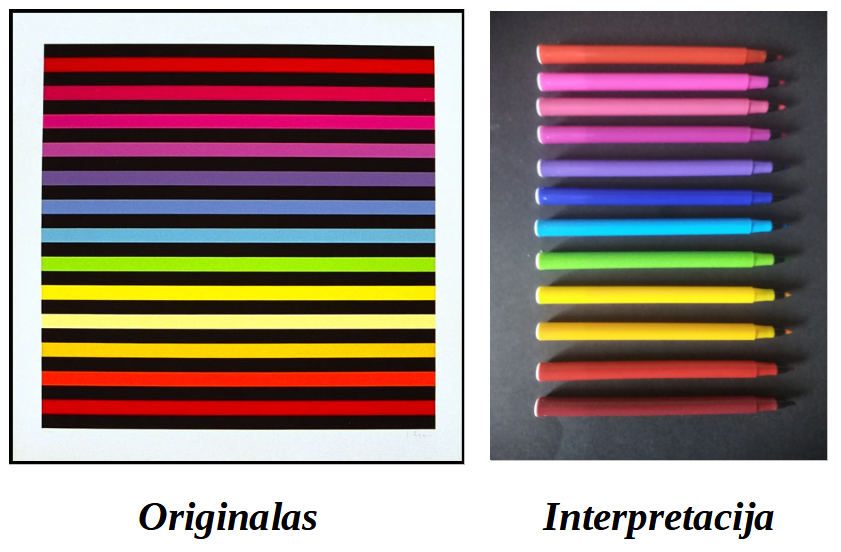
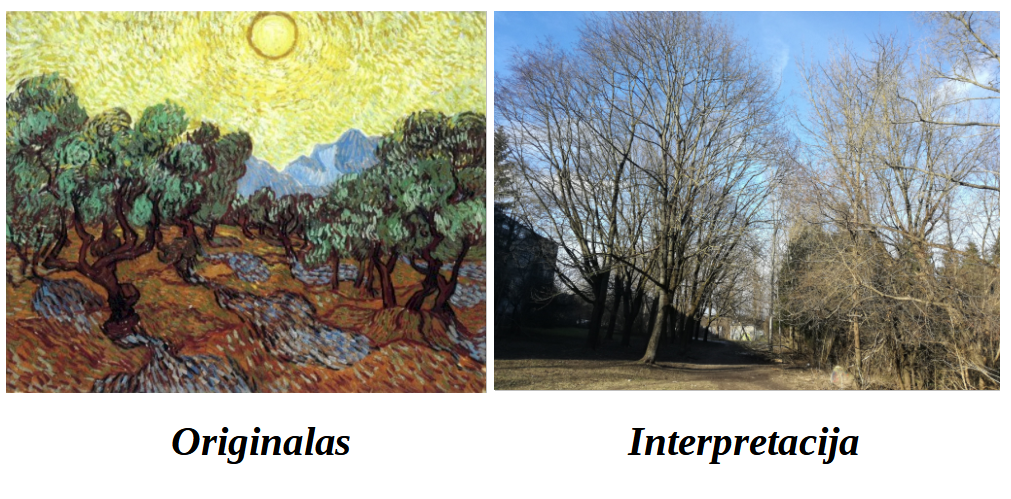
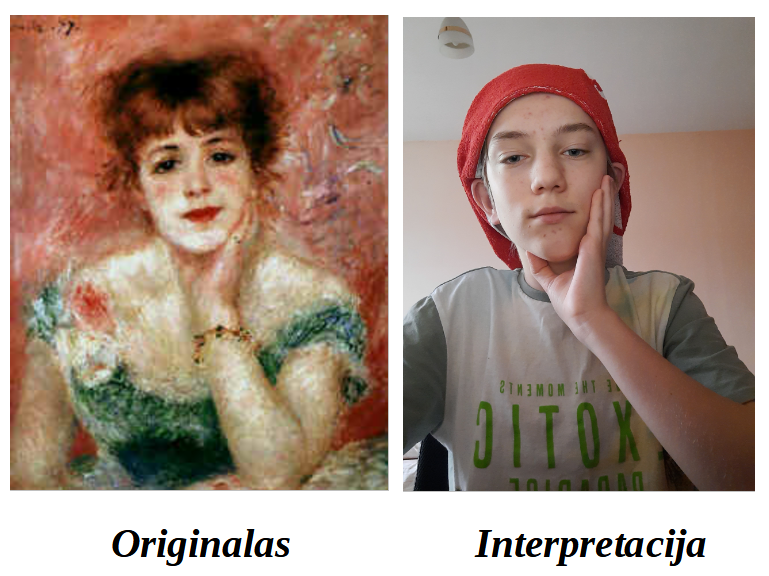
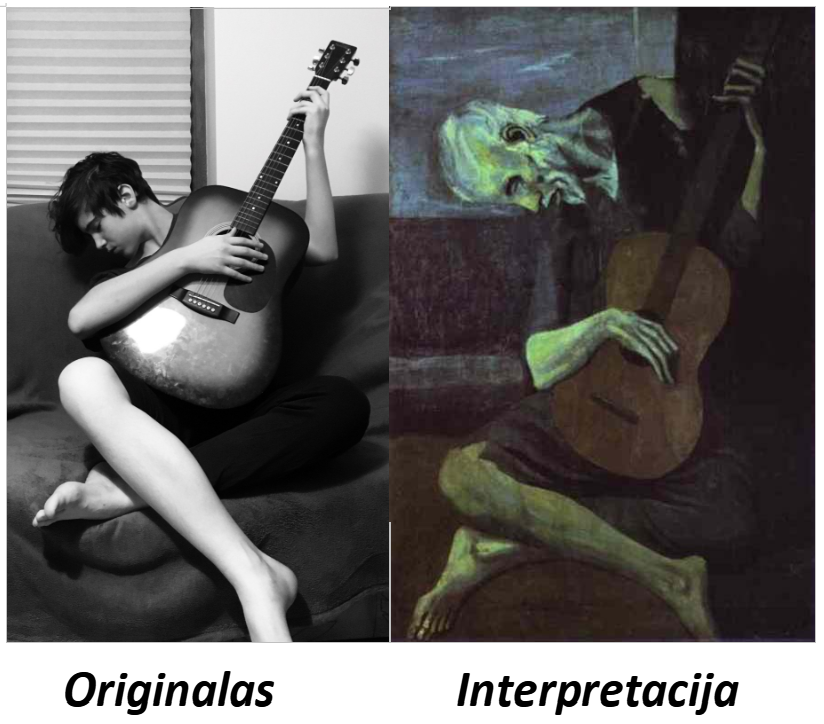
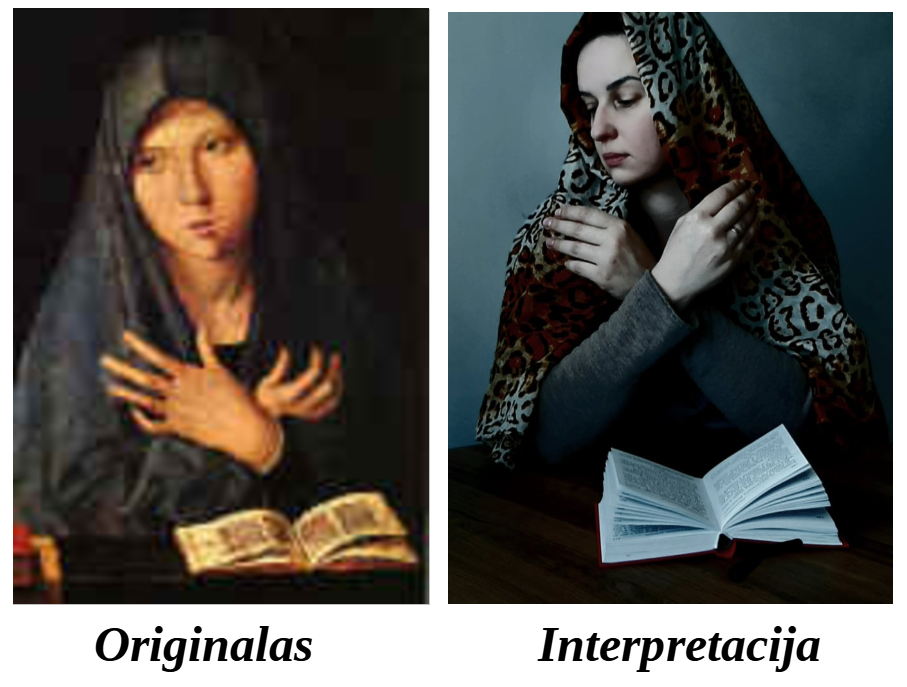
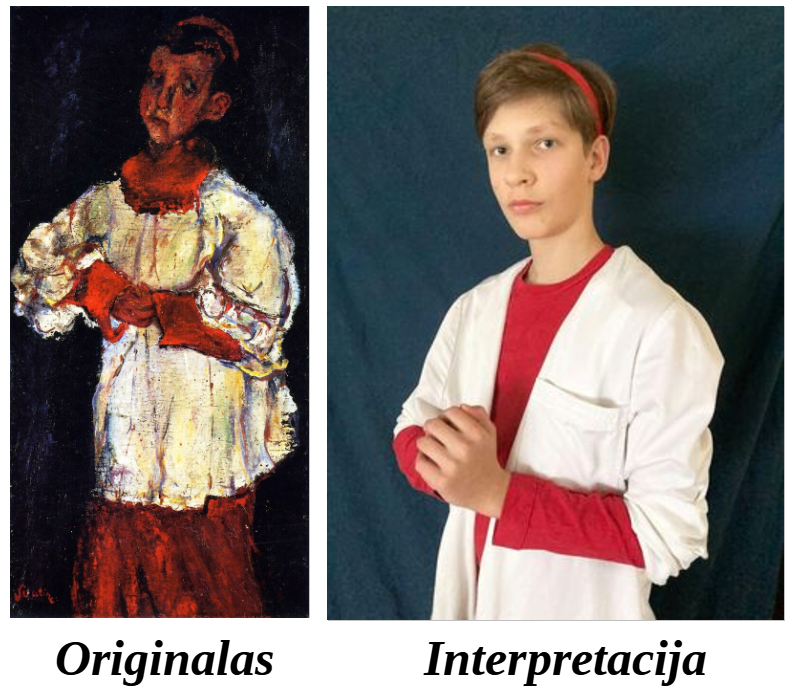
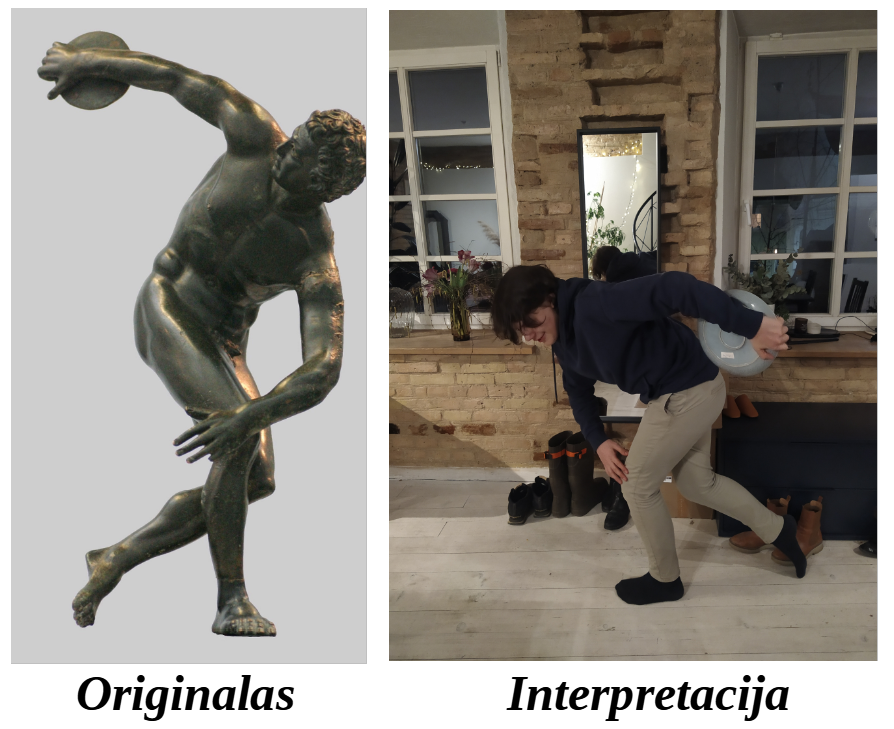
INTERPRETATION OF ART WORKS IN A NEW STYLE

During art lessons, the seventh-graders analyzed the ideals of beauty during different periods of art. Later, they had to choose the art work and create the copy with the means available at home.

Lithuanian heroes come to life

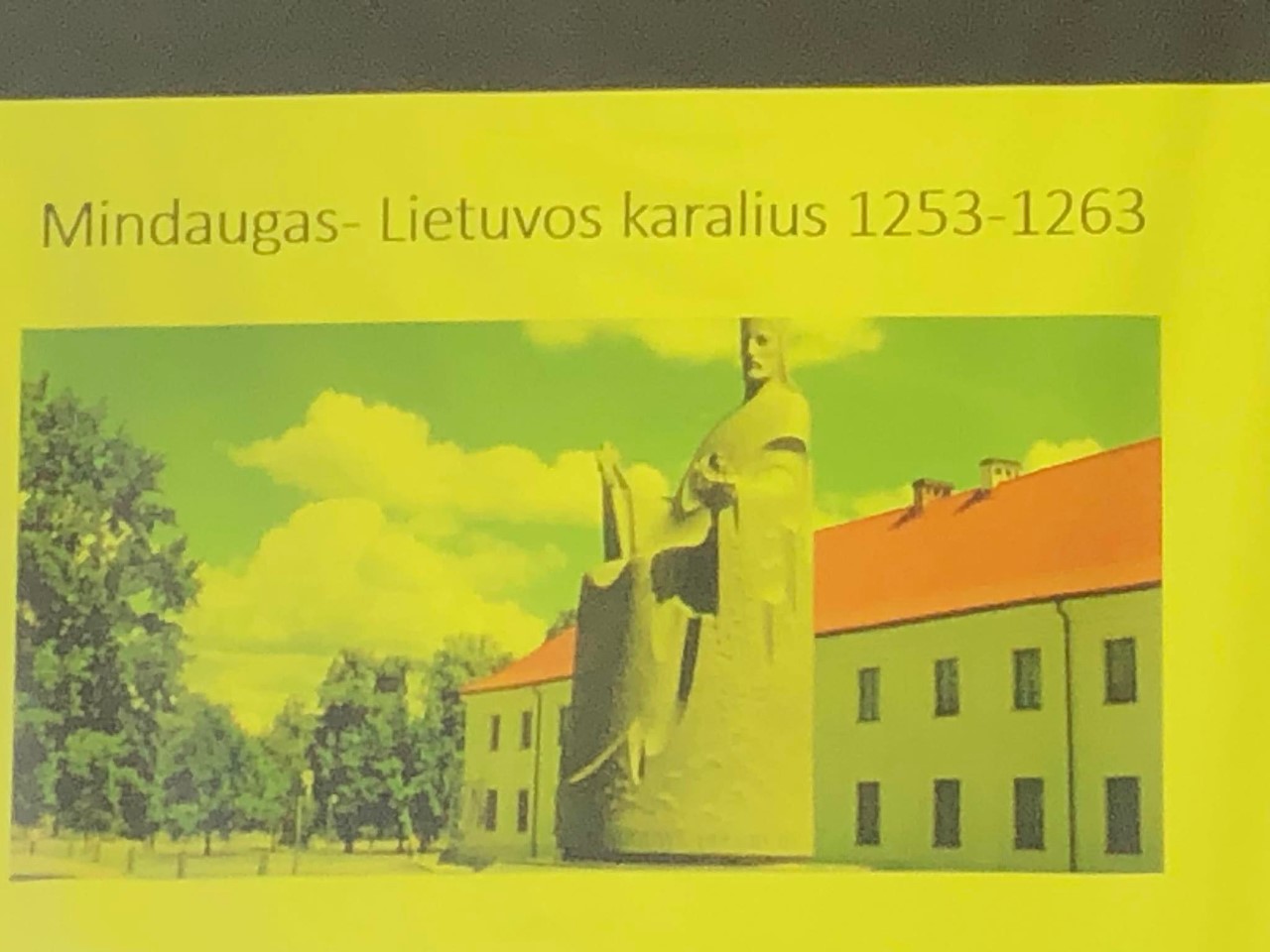
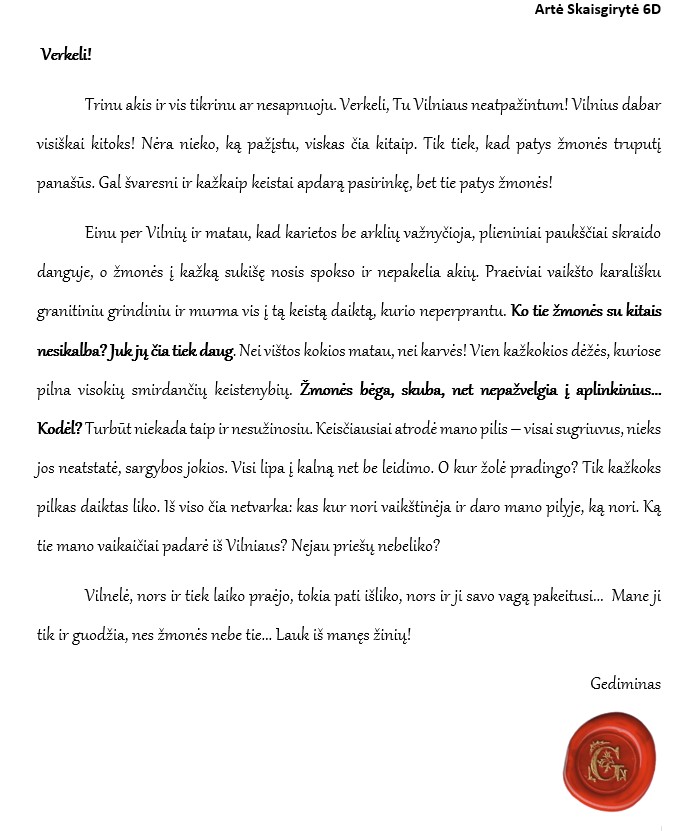
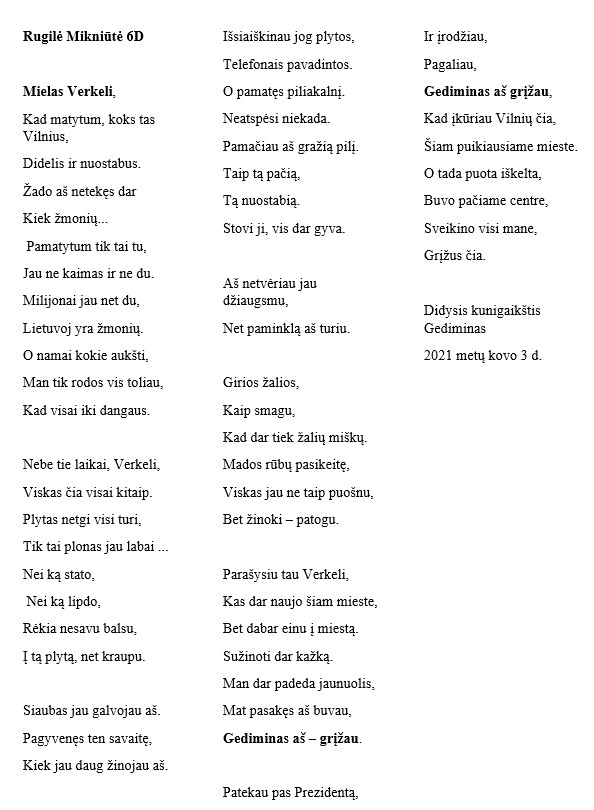
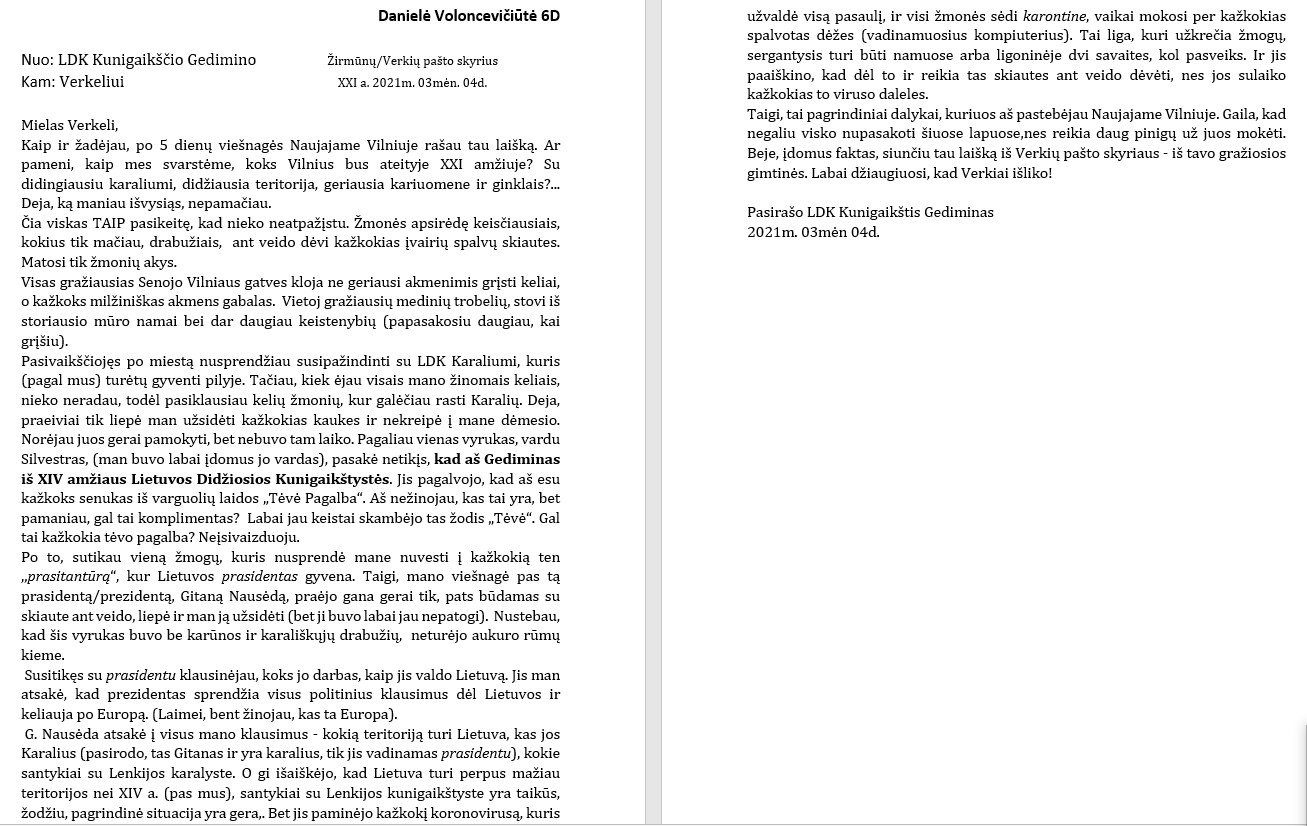
In the beginning  of March, during the literature lesson, students of class 6D, read and analyzed Balis Sruoga’s poem “Song of Gediminas”, which describes the Grand Duke of Lithuania Gediminas, his dream and the founding of Vilnius. It is common to talk about the past and look at it from the 21st century. Nowadays children and teachers value historical narratives through the prism of their present. 

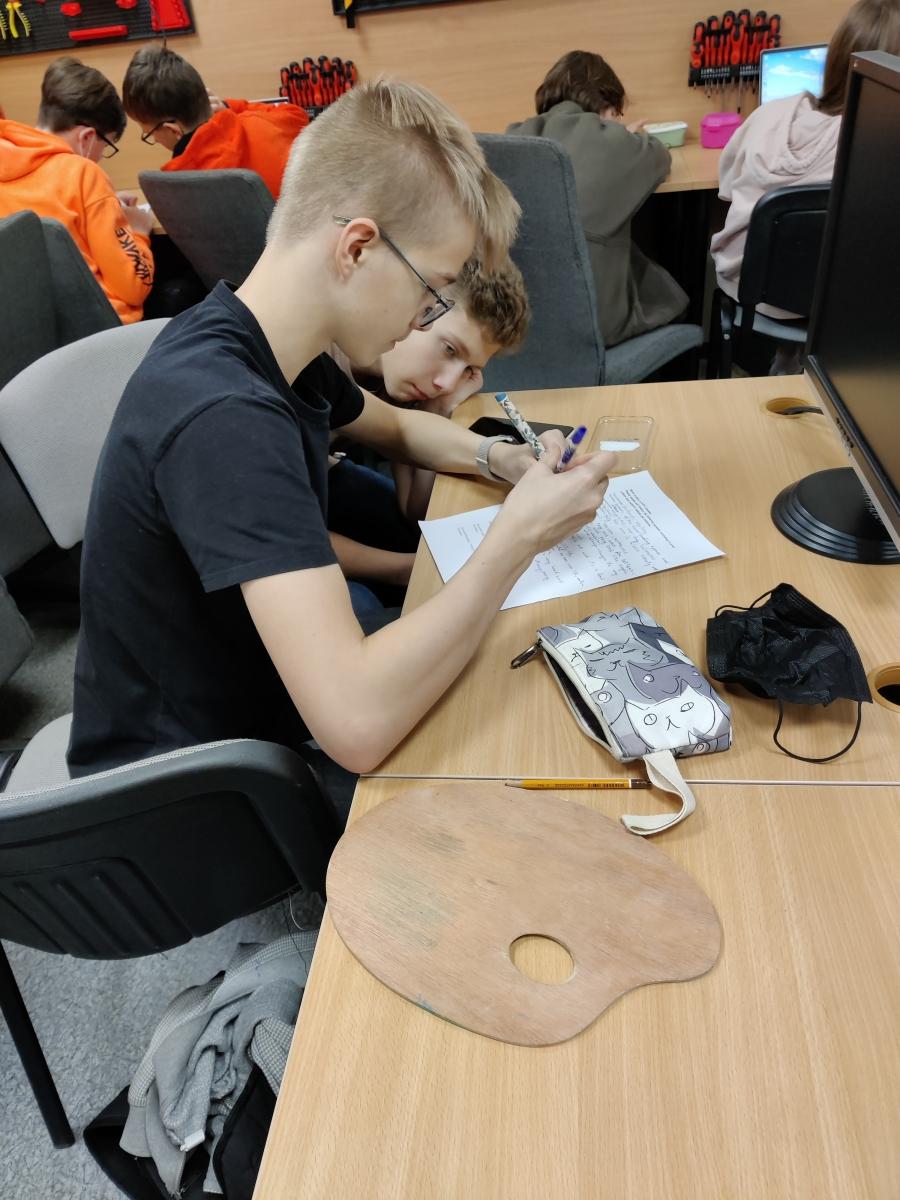
After reading B. Sruoga’s “Song of Gediminas” the students of the 6D class, led by the Lithuanian language teacher Jolanta Kručkauskienė created and wrote letters on behalf of Gediminas. They imagined that Gediminas (14th century) had travelled to Vilnius in the 21st century and described his impressions in a letter to his friend Verkelis. You can read about the adventures and impressions of Duke Gediminas in the creative works of 6D grade students. 

Initial Compositions

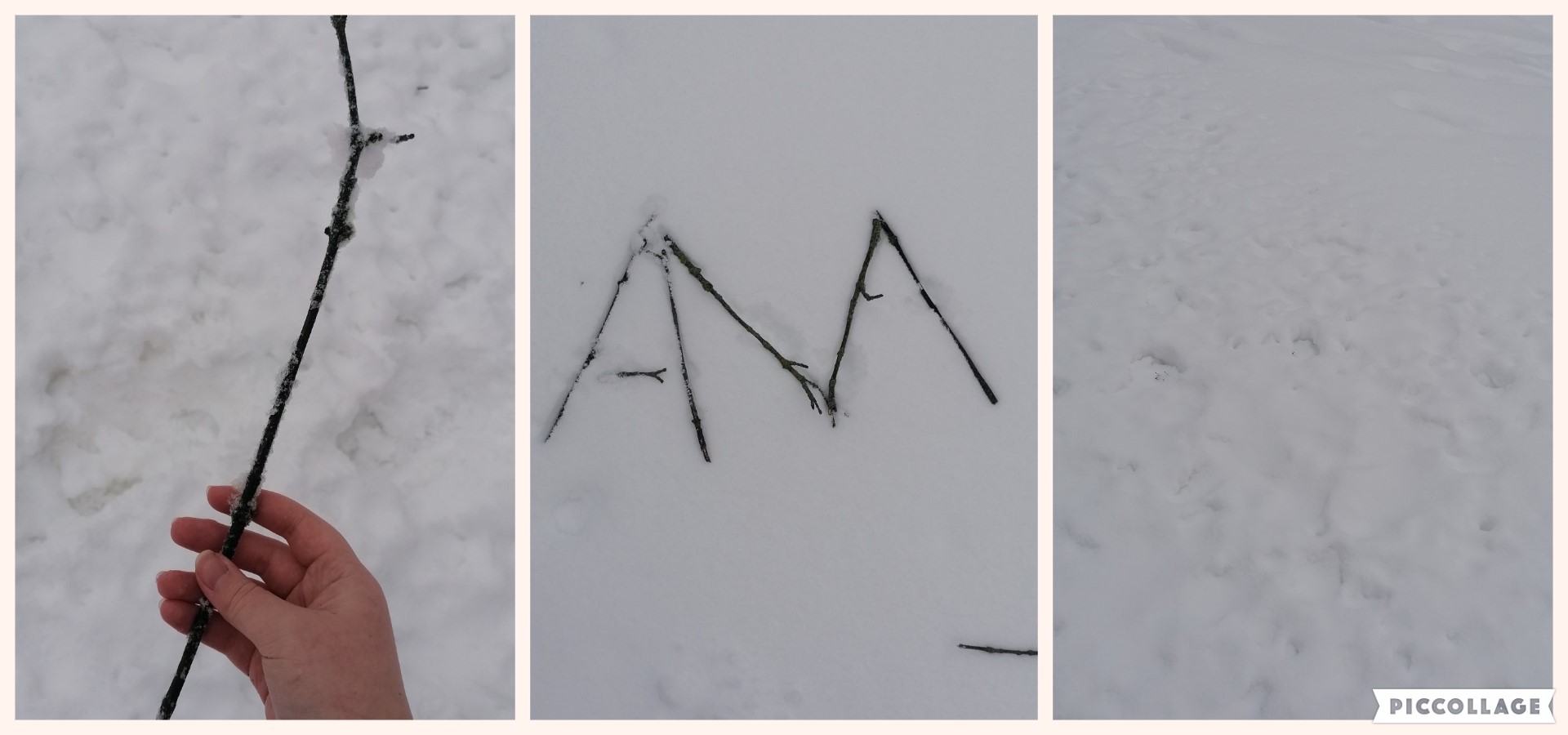
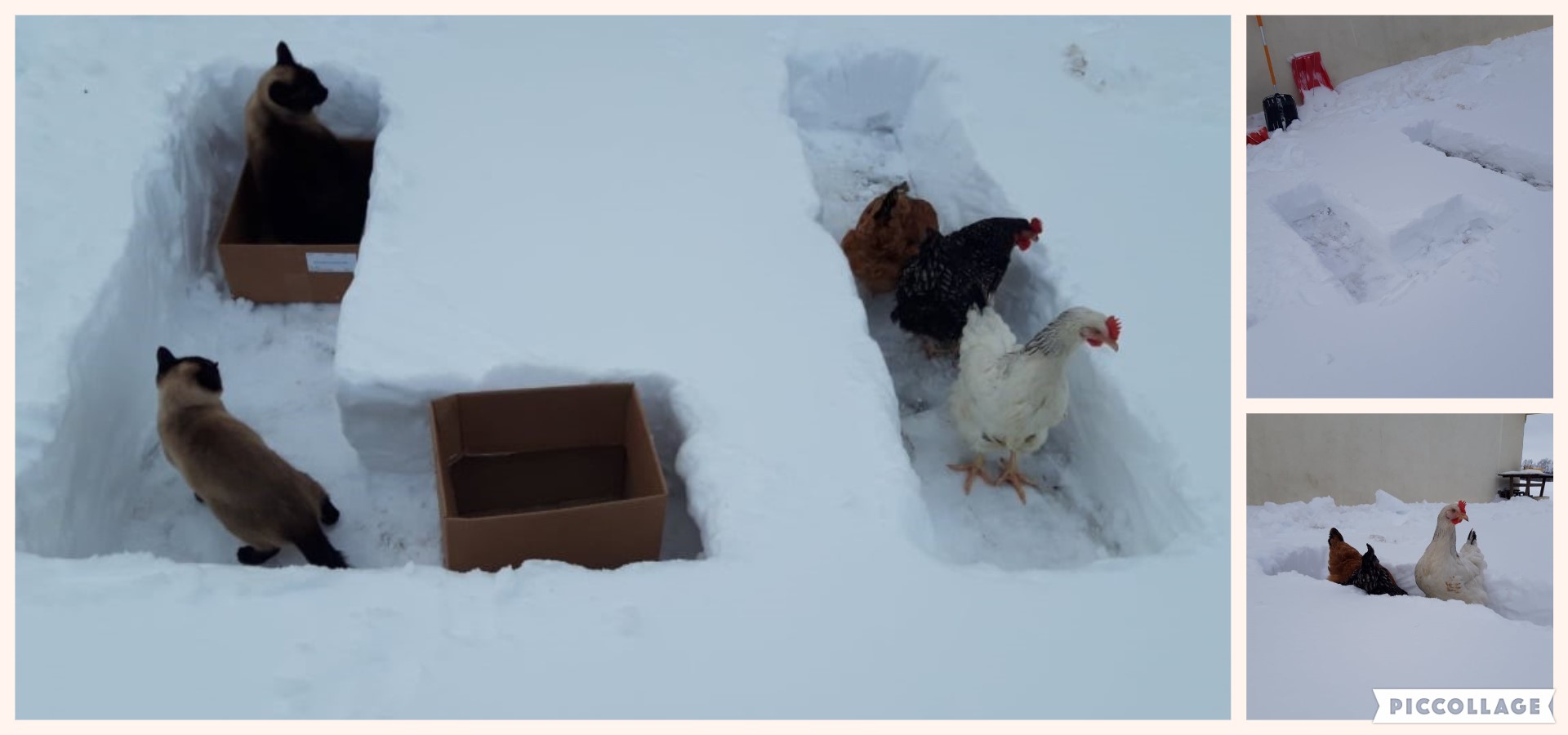
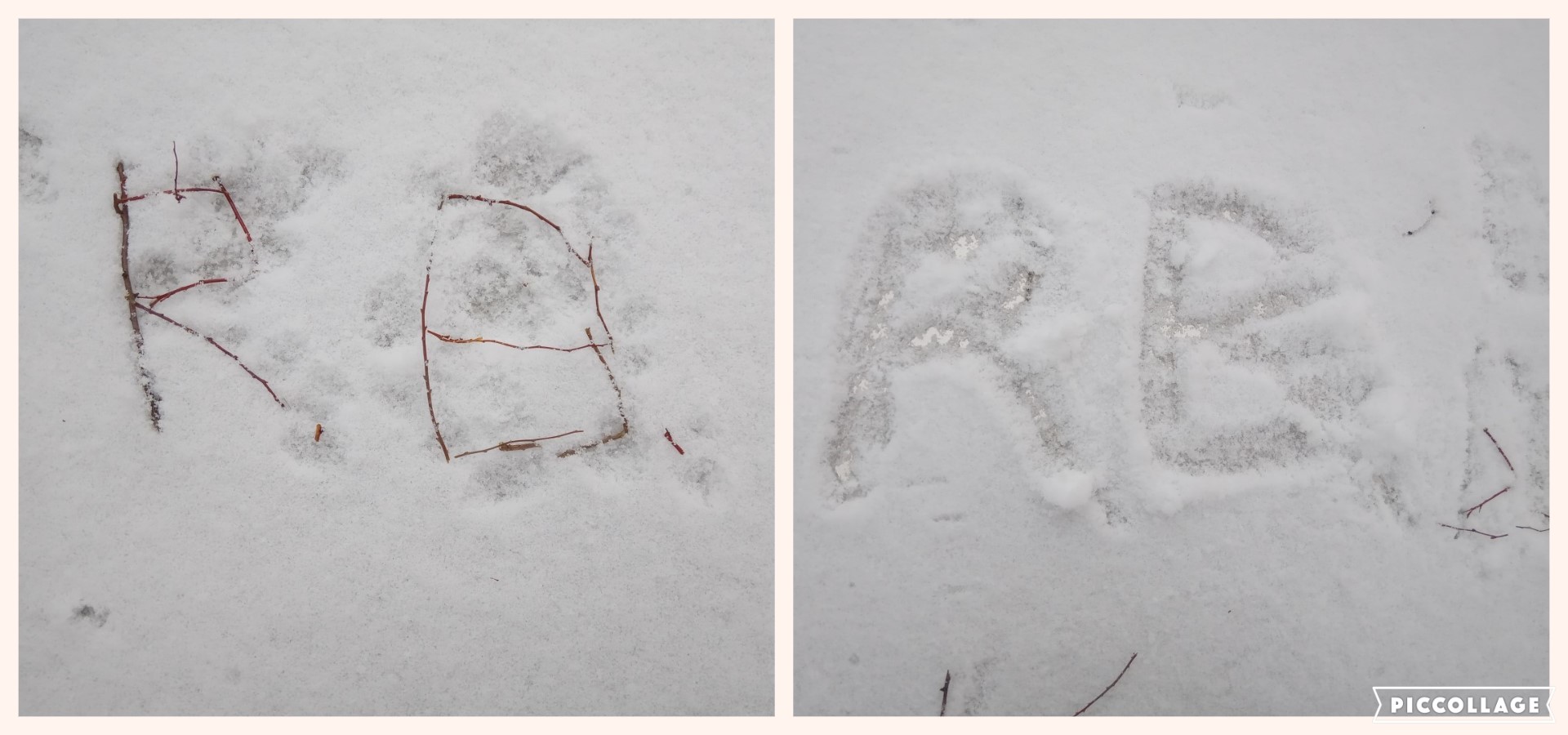
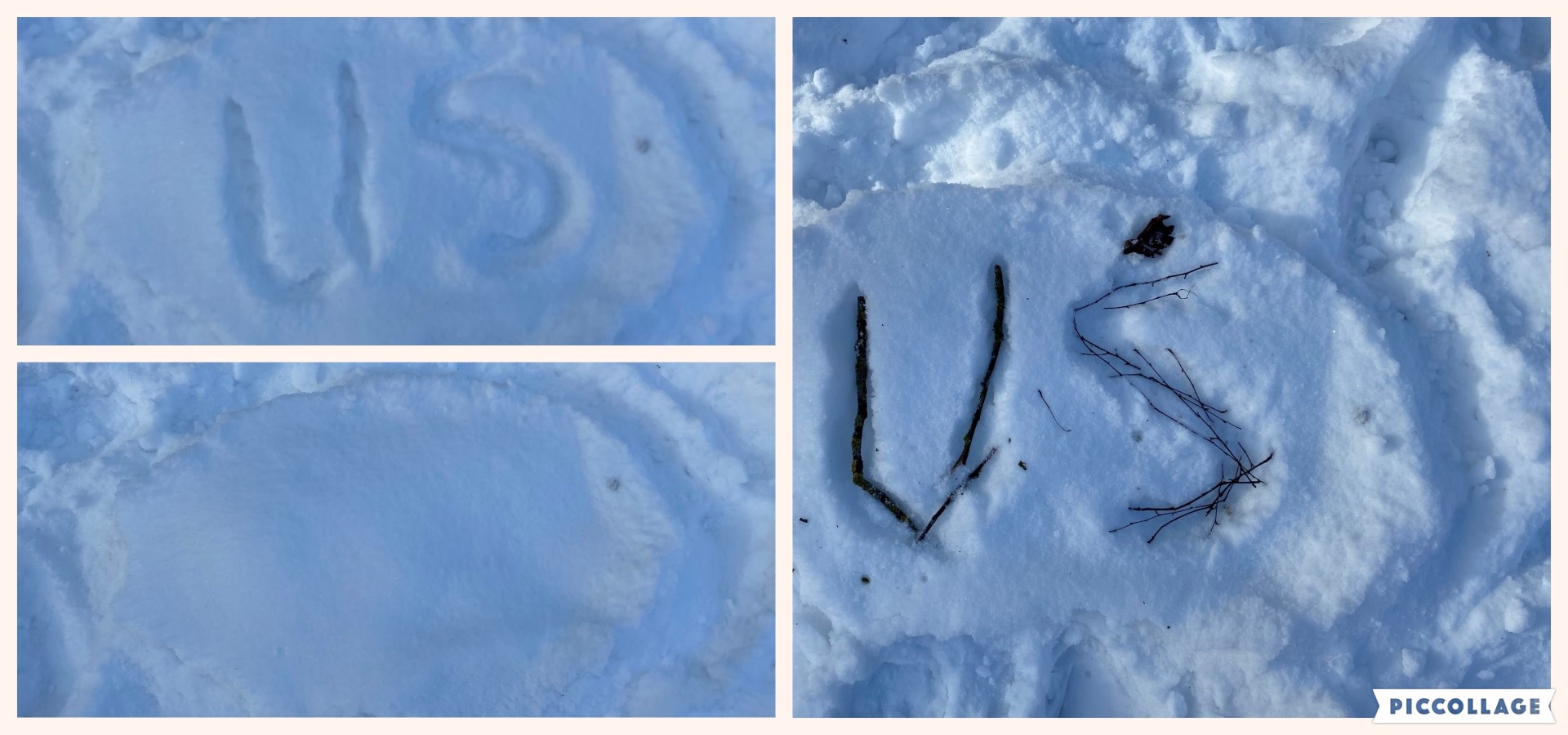
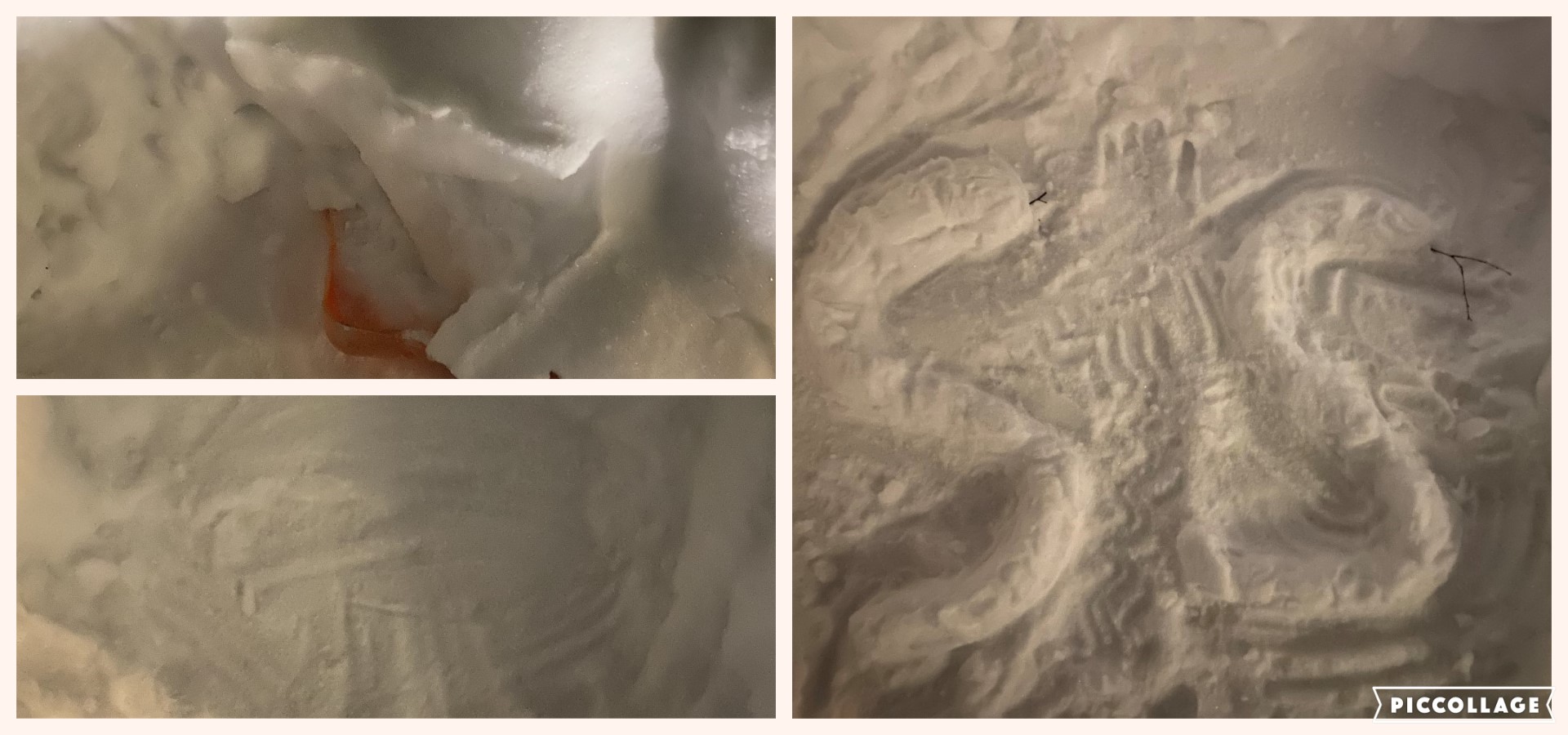
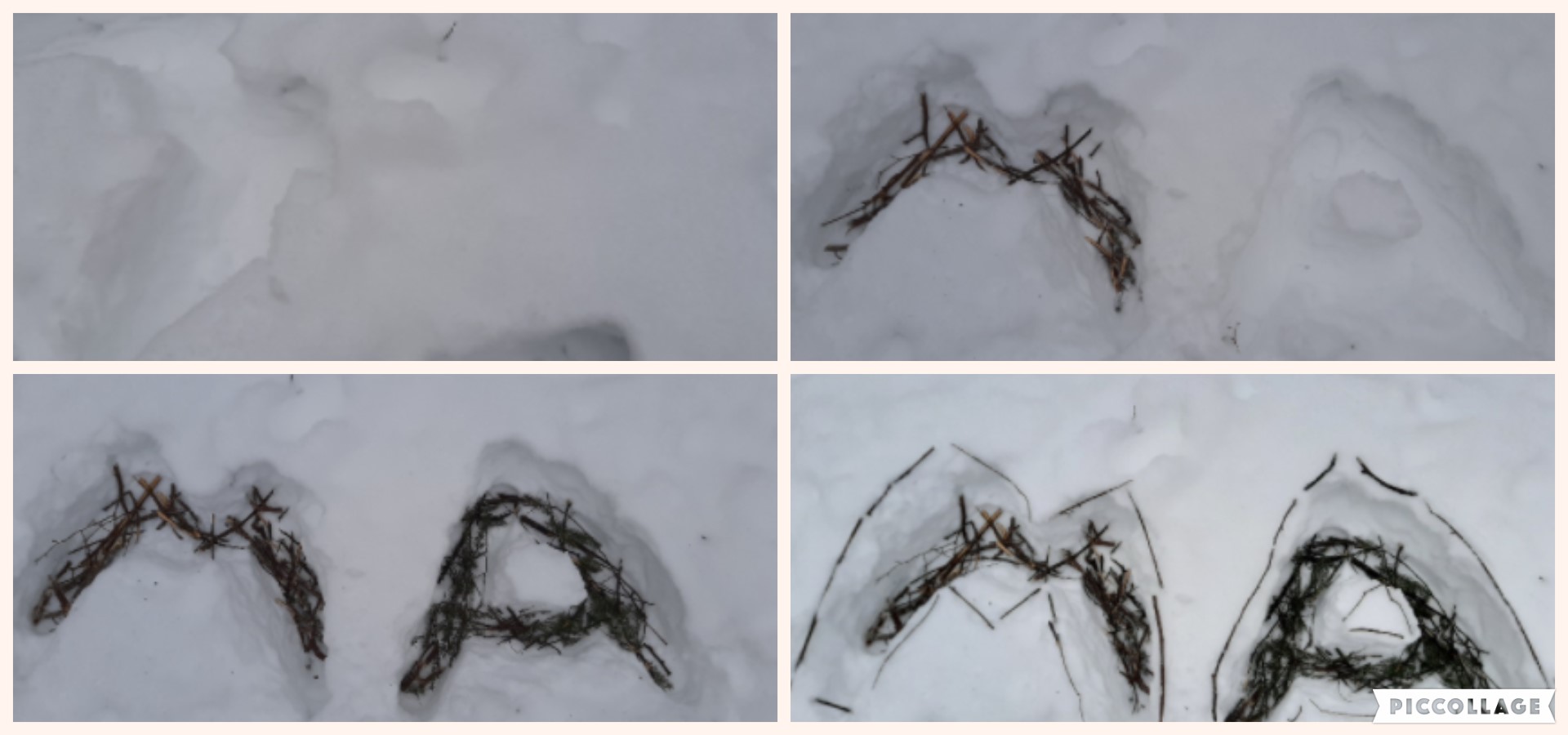
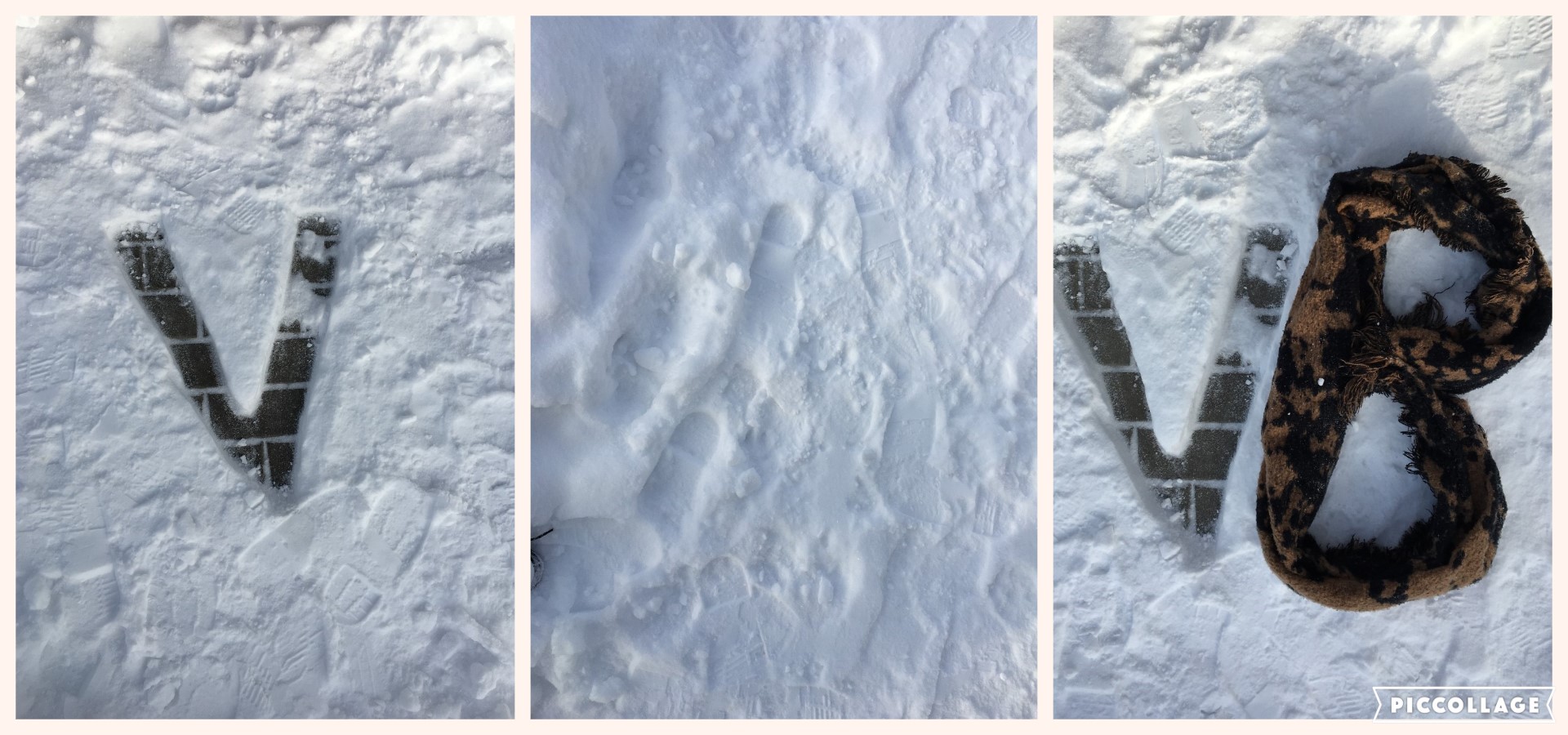
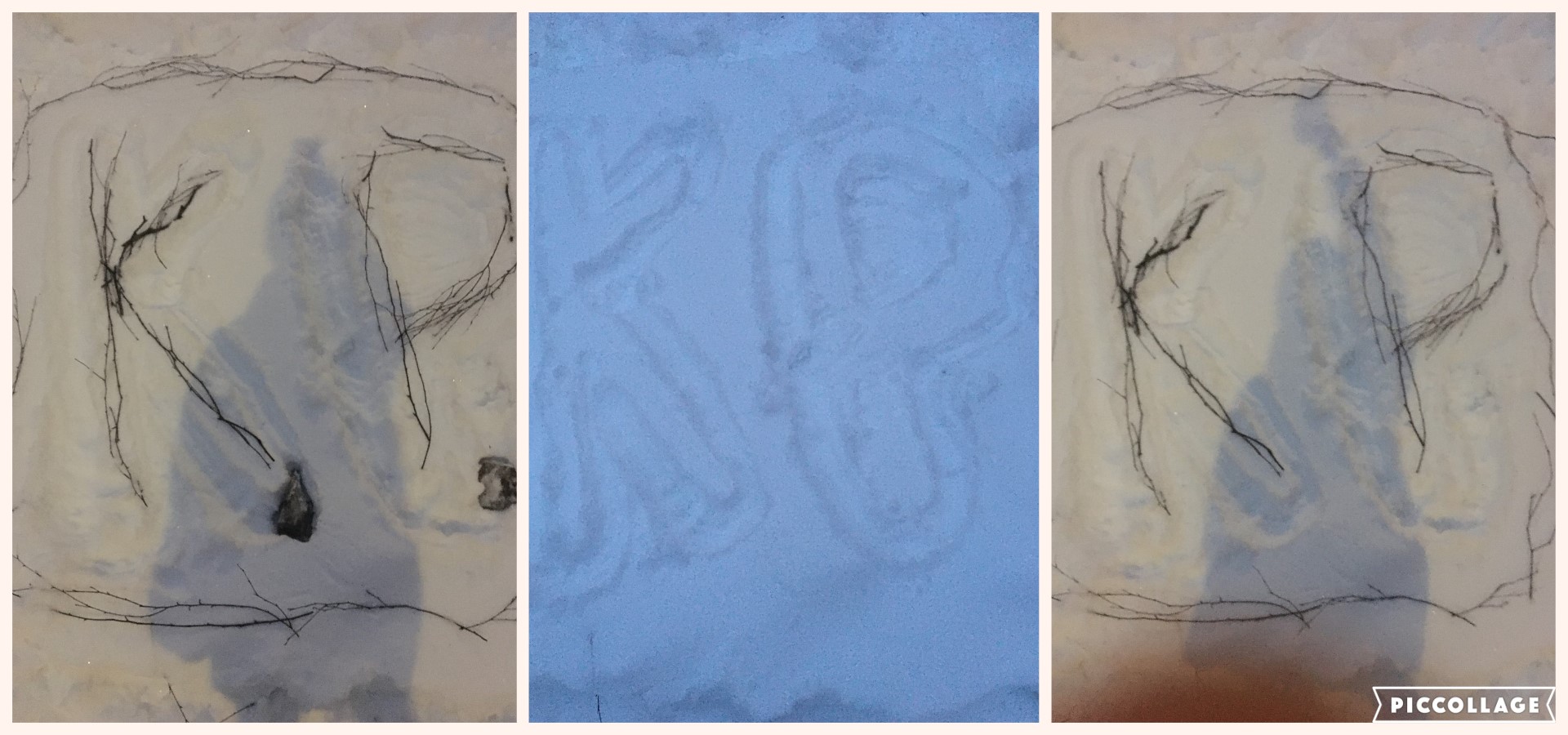
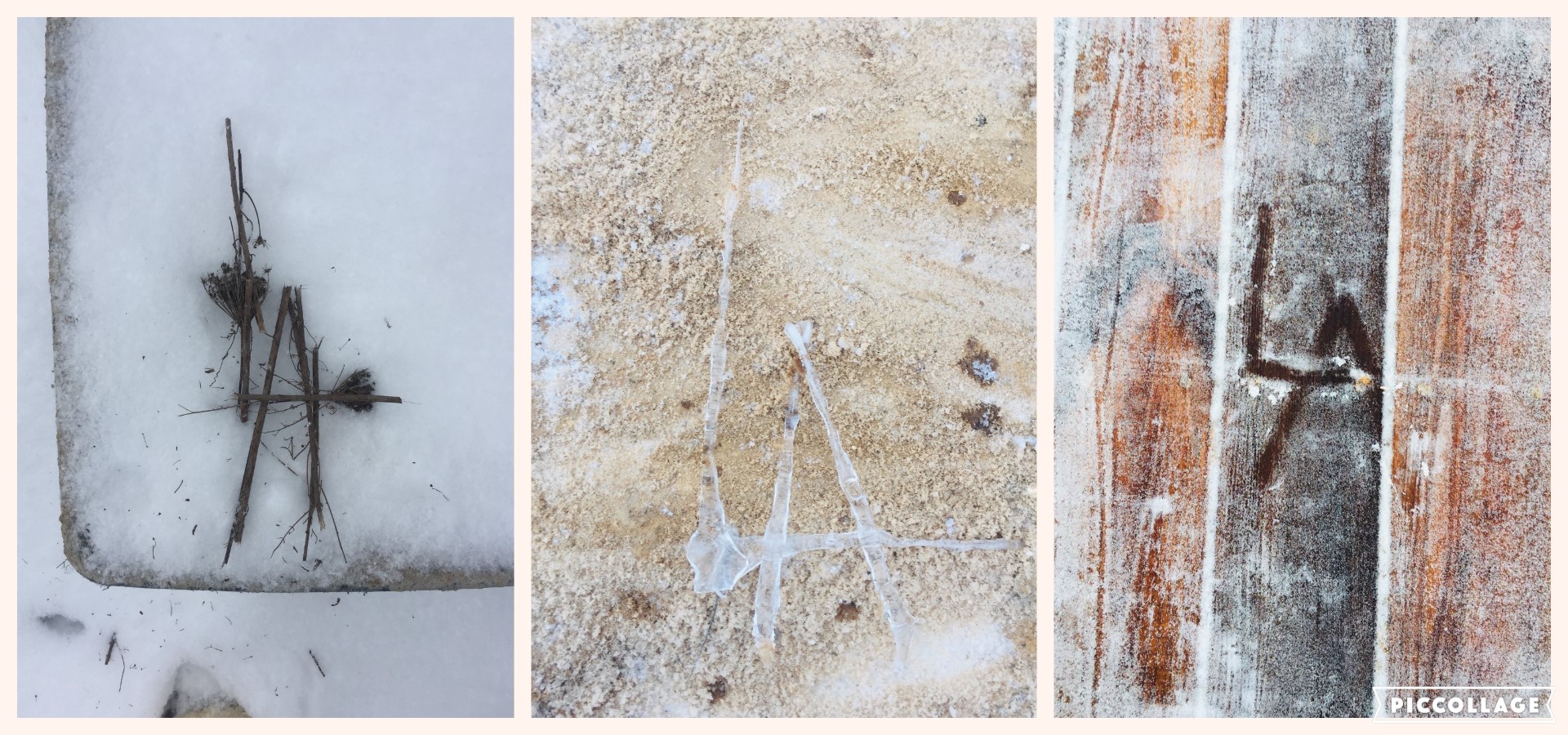
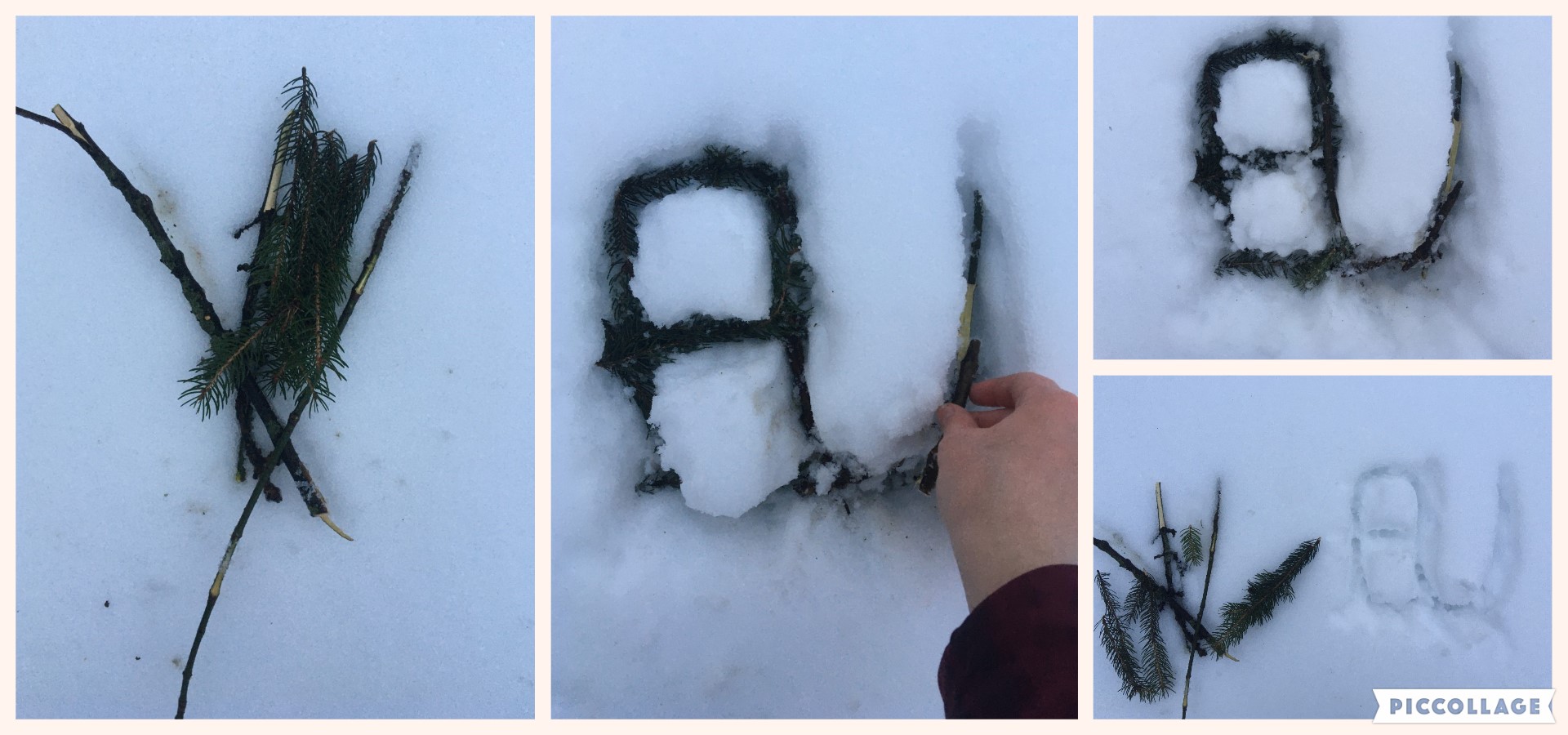
In the last week of January 8th grade students had an integrated art-technology lesson, during which they had to create their initial compositions from natural materials and clothing details. To do the task pupils were invited outside to enjoy this wonderful winter. We share student- created compositions. They were mentored by art teacher Karolina and technology teacher Dale. 

Mathematical Ornaments

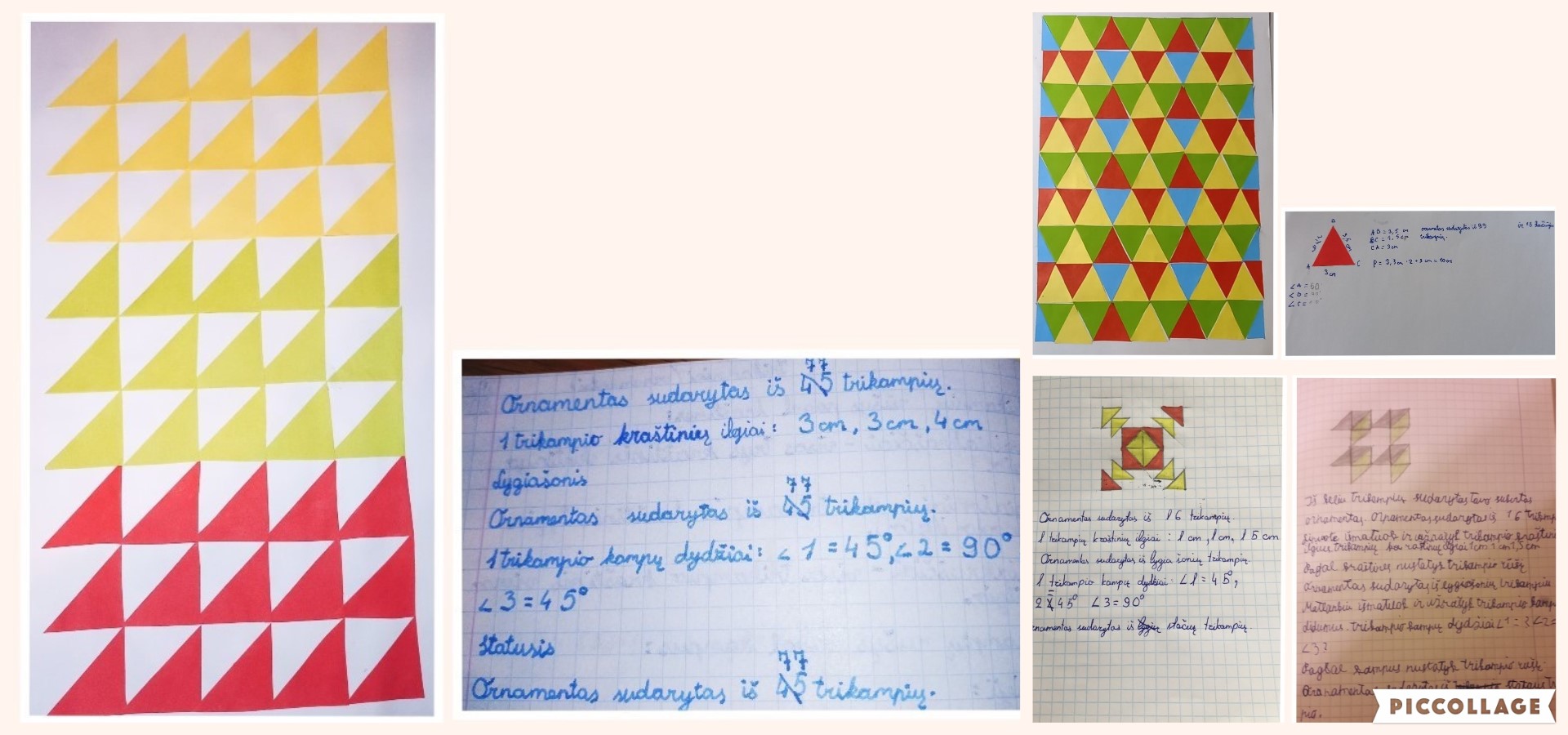
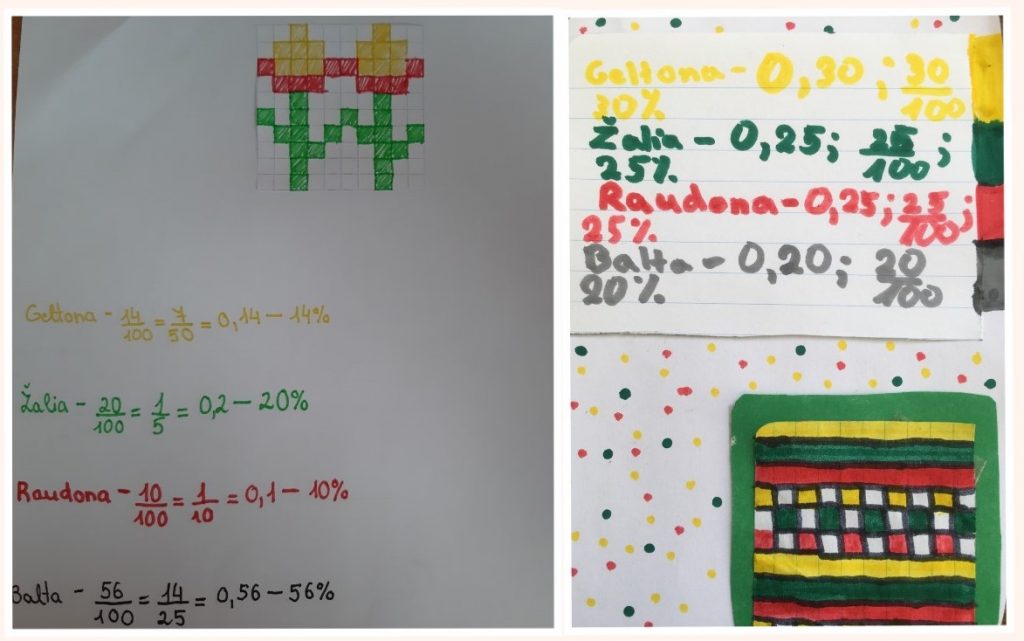
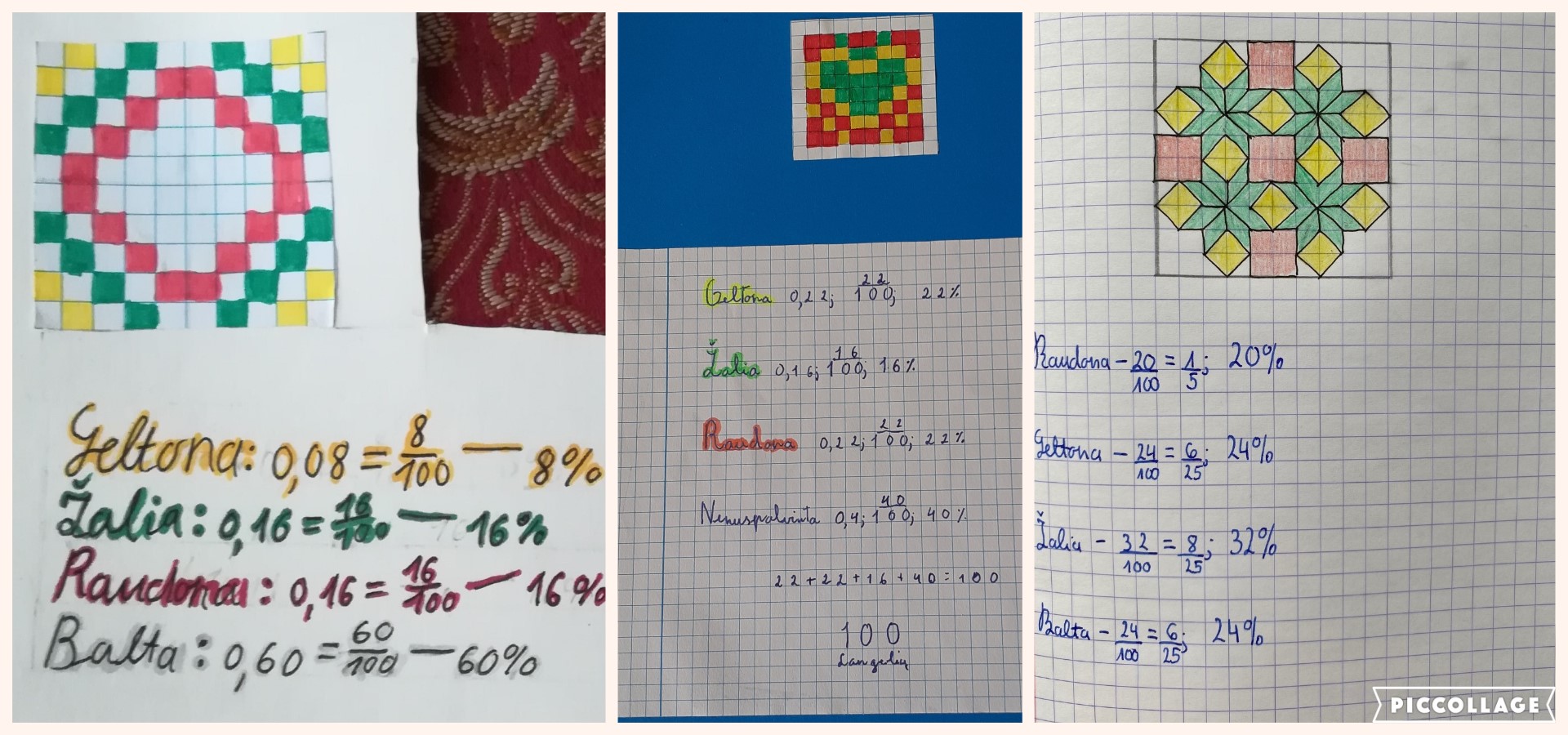
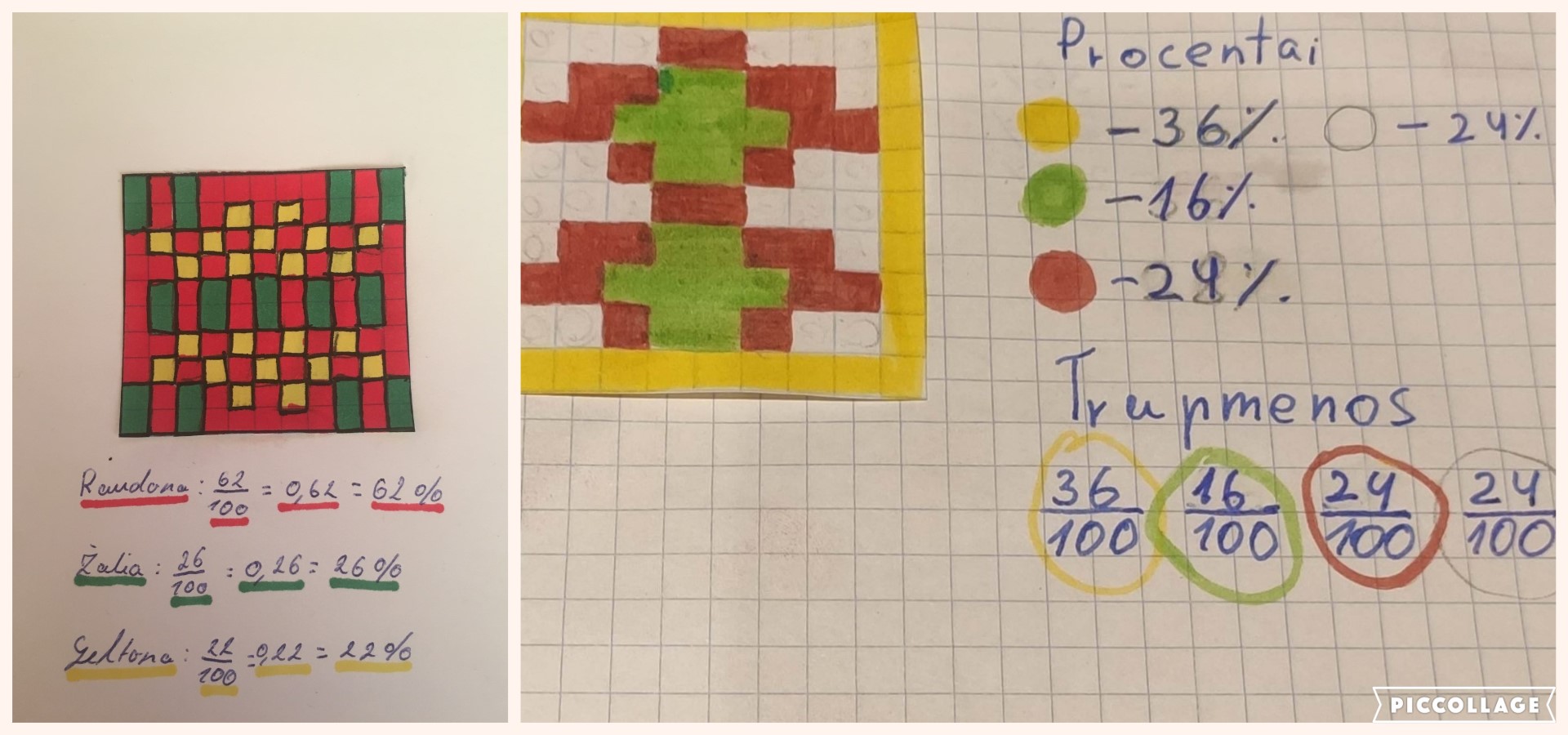
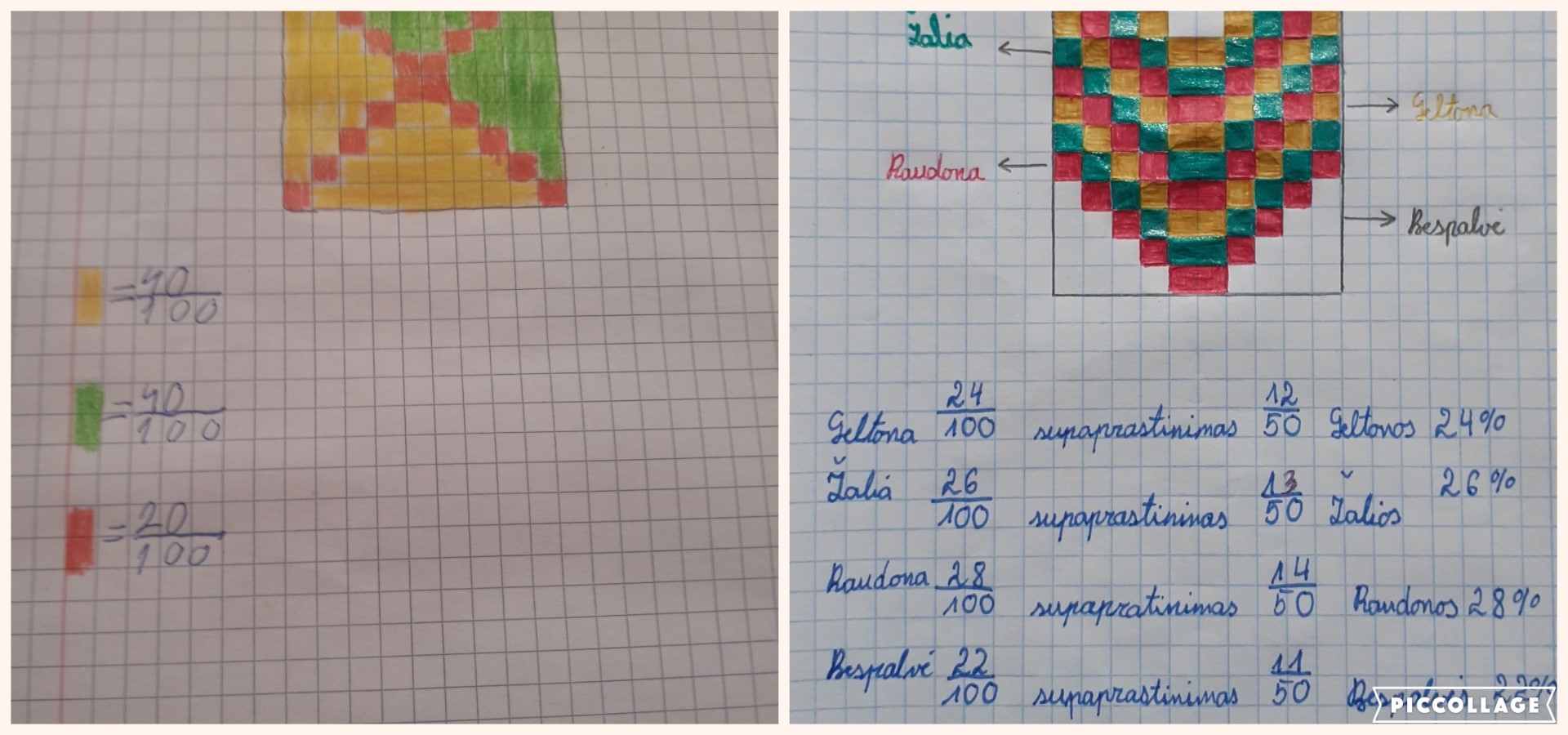
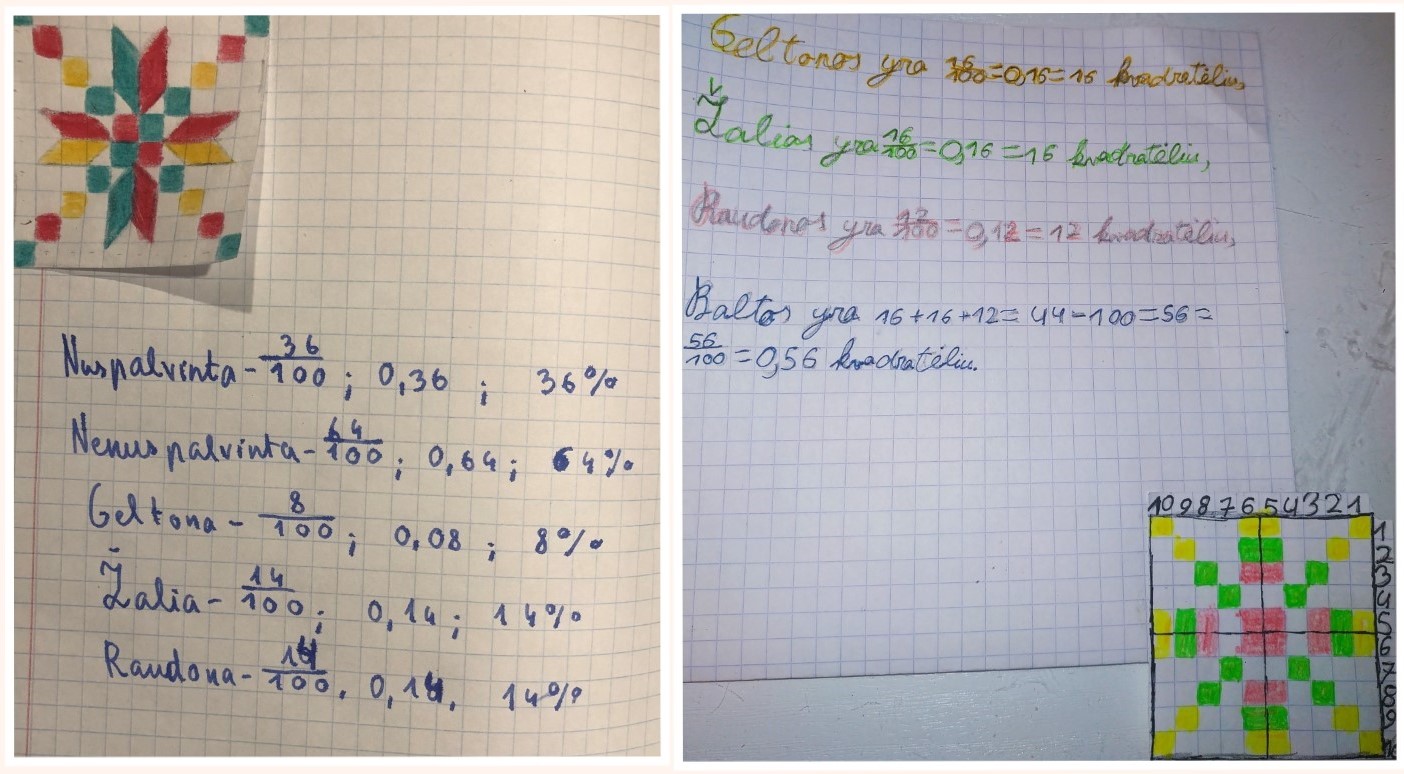
At the end of January, the activities of the International Erasmus + project “Skillful Thinking-Active learning” were integrated into lesson of art- mathematics in class 5b, during which students using different triangles had to create an ornament and describe it mathematically. Students were fascinated by the idea that art and maths could be learned together. Art teacher Karolina and mathematics teacher Dale share the works. 

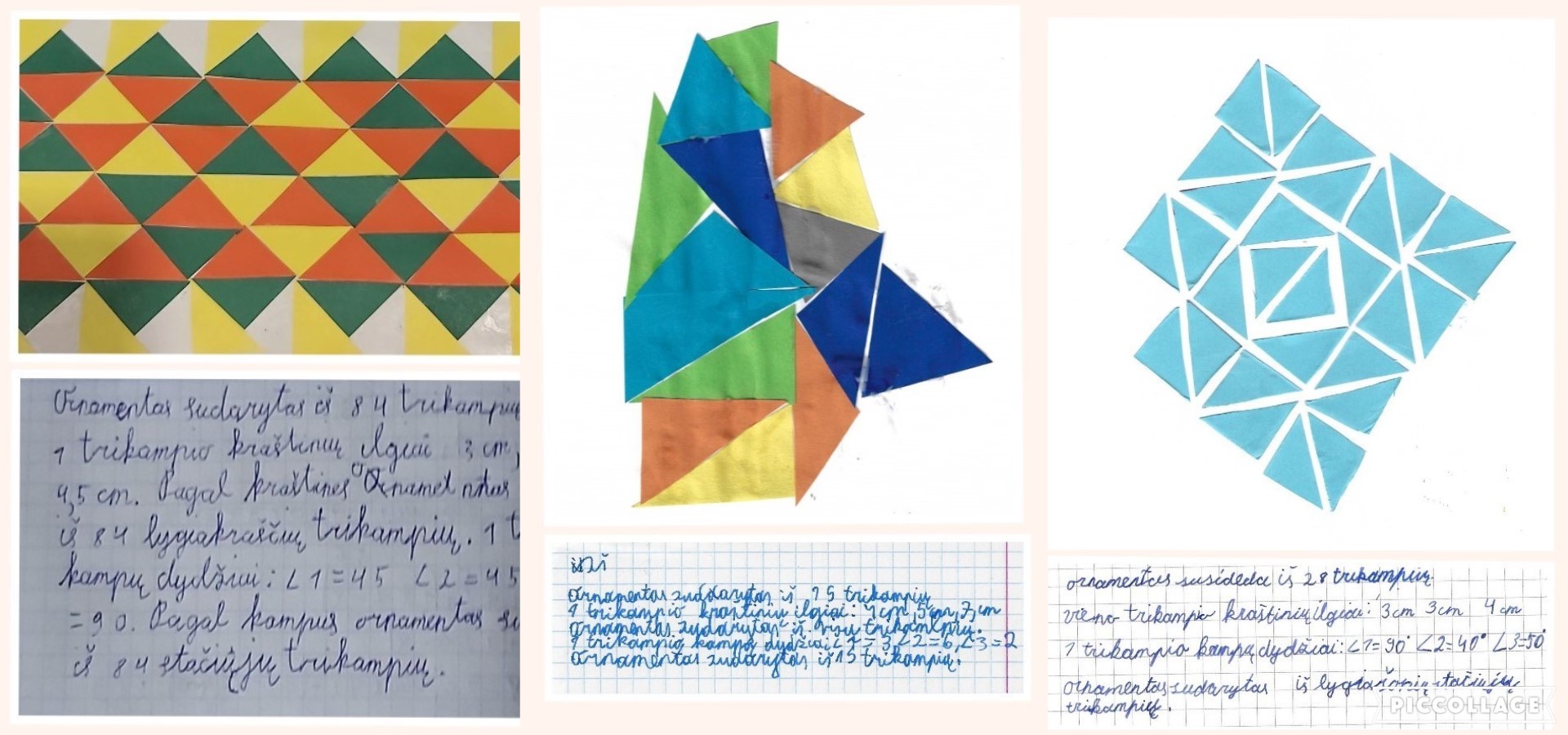
6th grade students became involved in the integrated activities of the Erasmus + project “Skillful Thinking-Active learning” and had an art-maths lesson, during which they not only created national compositions to commemorate the 16th of February, but also described them mathematically. Although mathematical errors occurred in the works, the students performed this task very sincerely. The students were mentored by art teacher Karolina and maths teacher Dale. 

Problem Solving Game

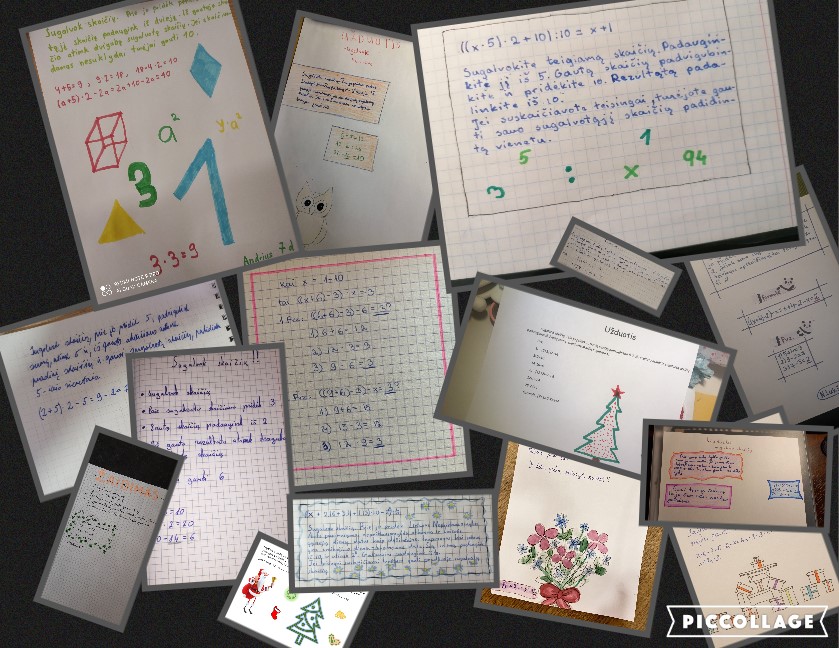
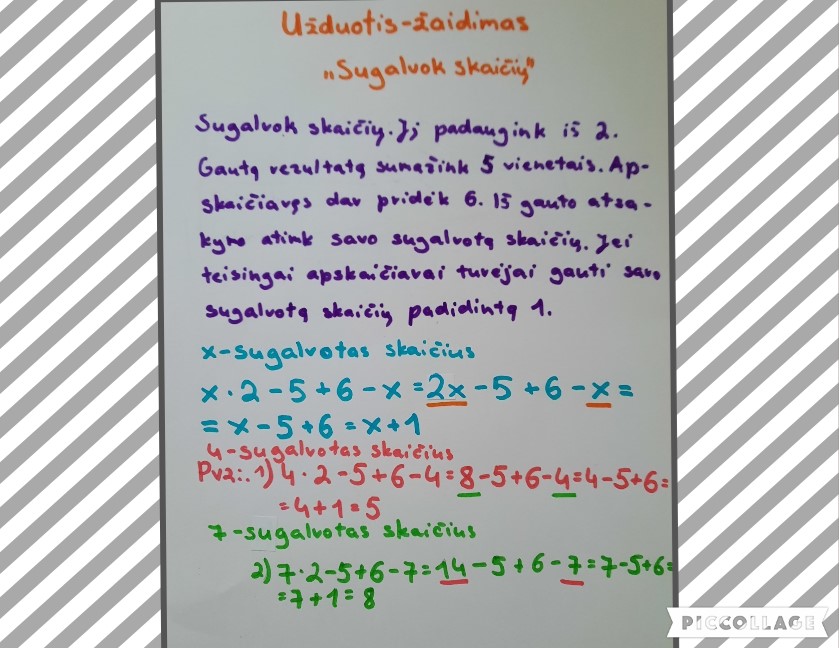
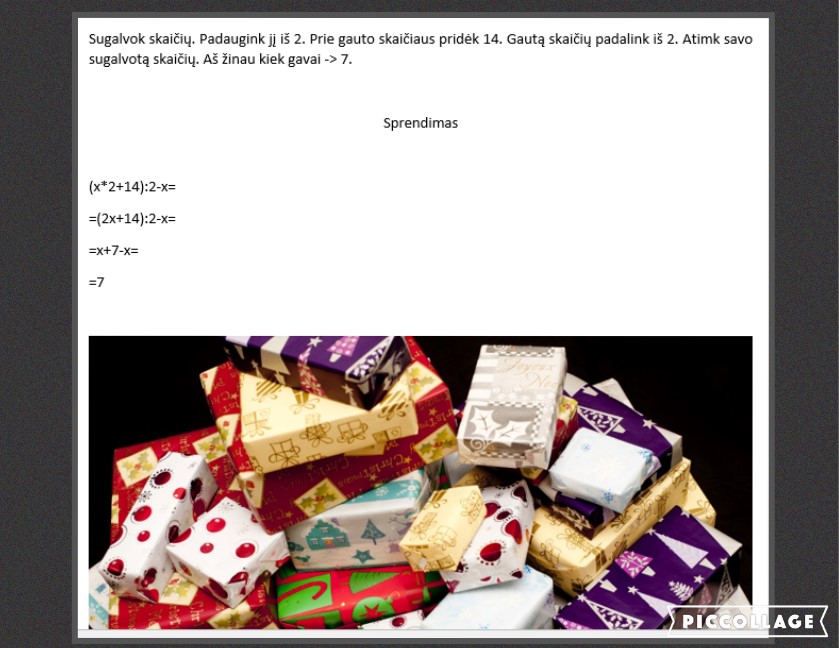
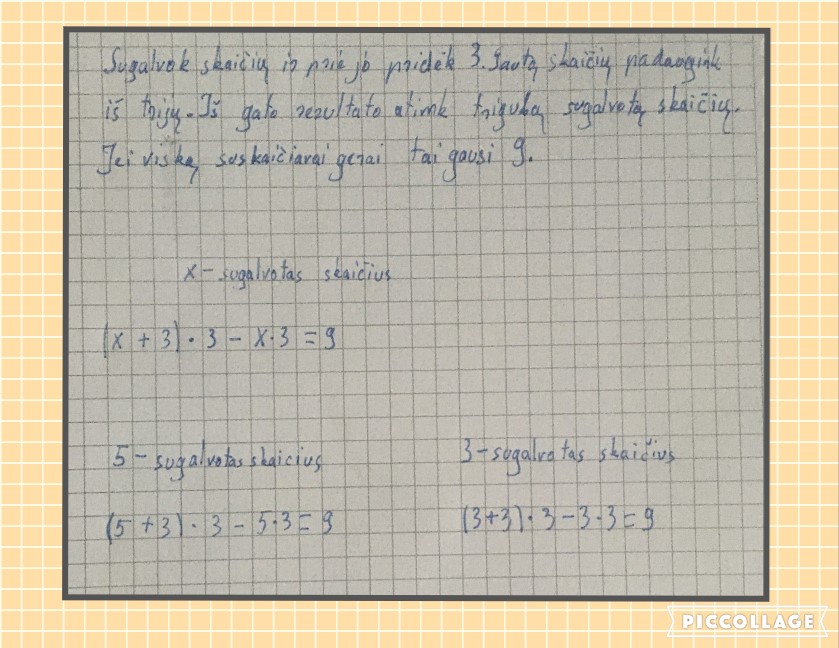
After having analysed algebraic expressions, the students of 7d joined the international Erasmus+ KA2 project Skillful Thinking-Active Learning. They learned to rearrange algebraic expressions and created problem solving games. The students had to make certain that their problem solving games were successful by composing literal equations, rearranging them while applying the rules of addition, associative property, multiplication and the rules of operations ordering in brackets. While some students did better than others, everyone was involved and interested in the outcome. Why not try and play these problem solving games during your holidays? 

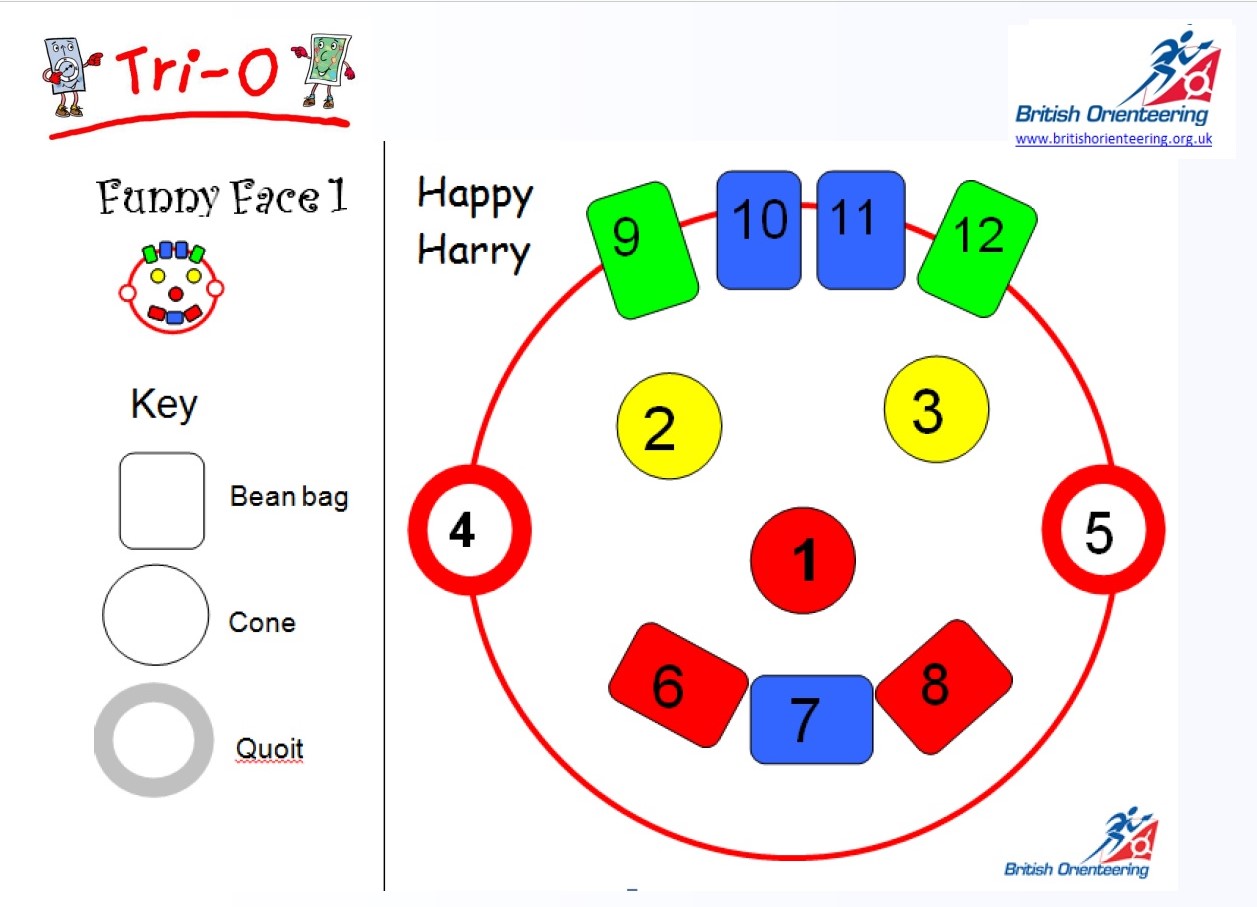
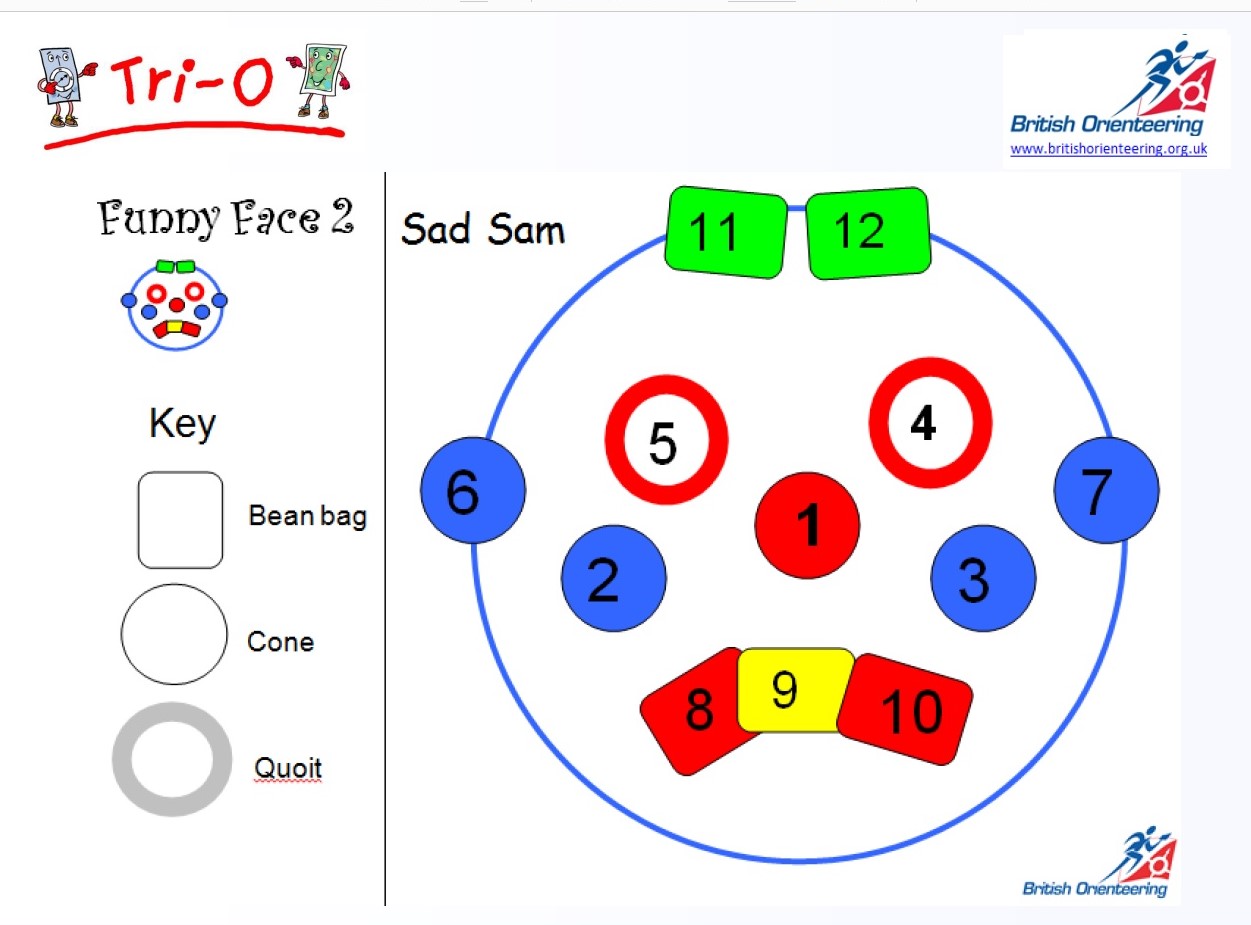
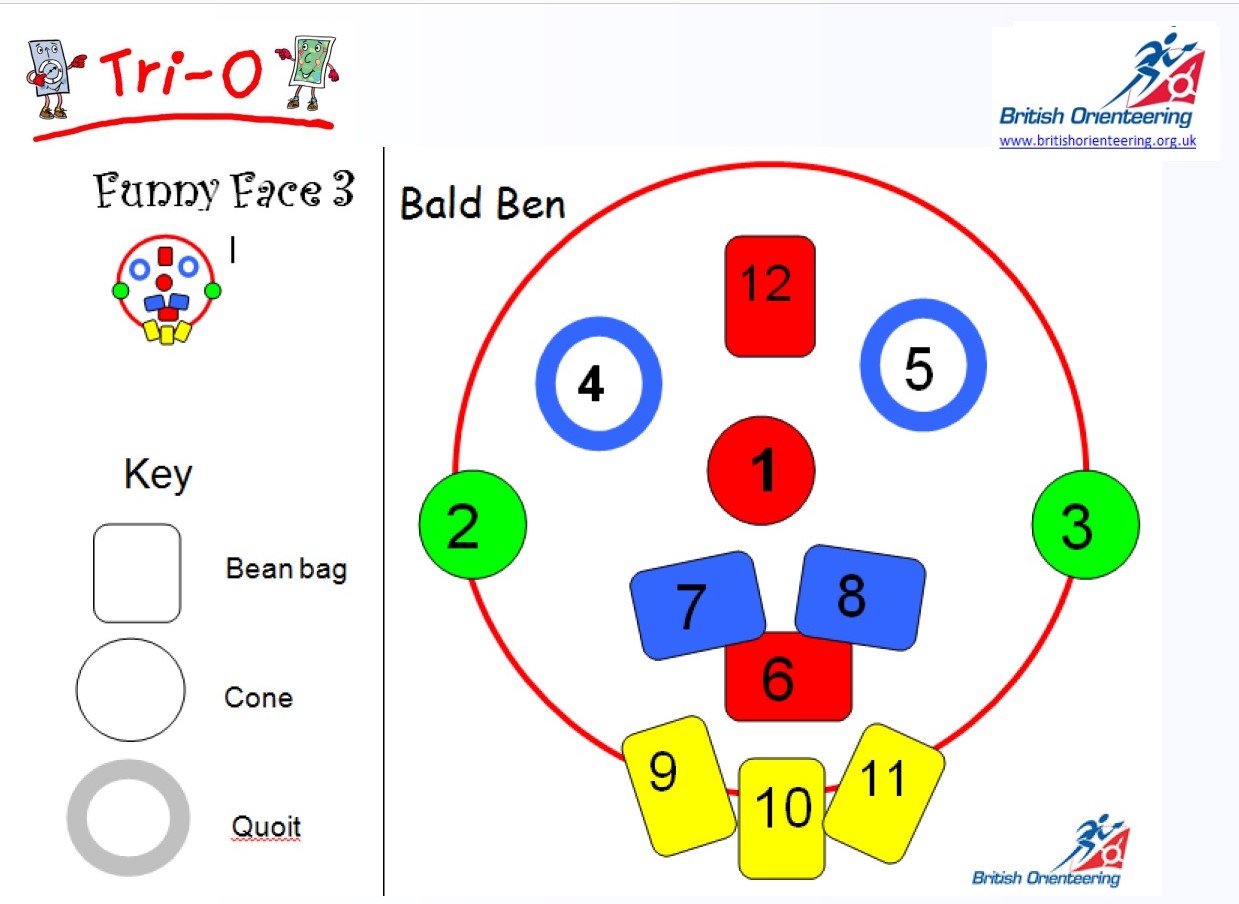
Orienteering While in Lockdown

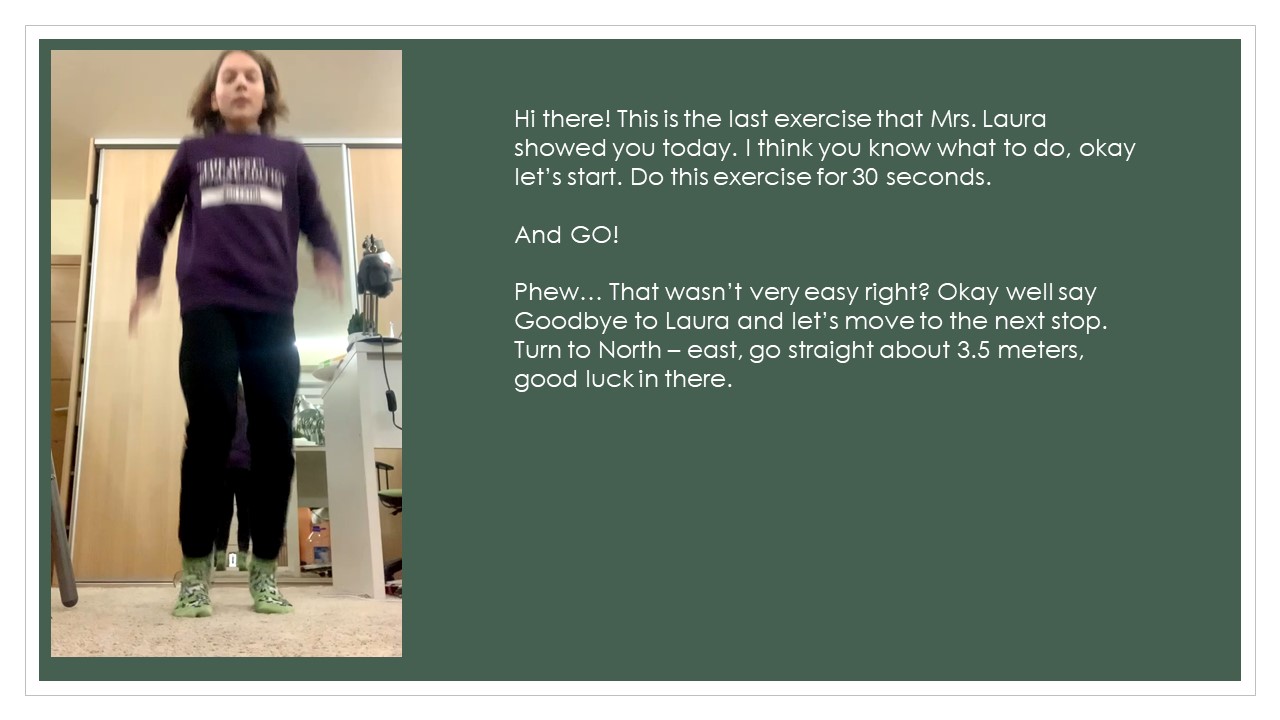
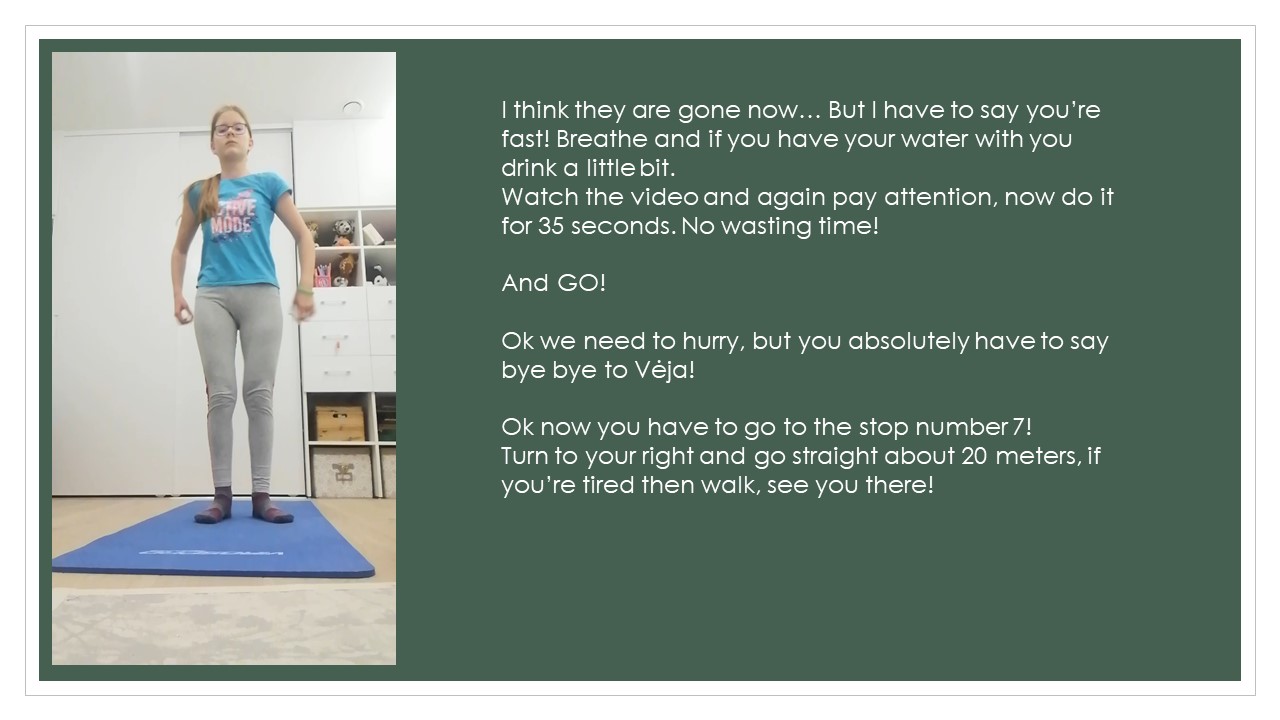
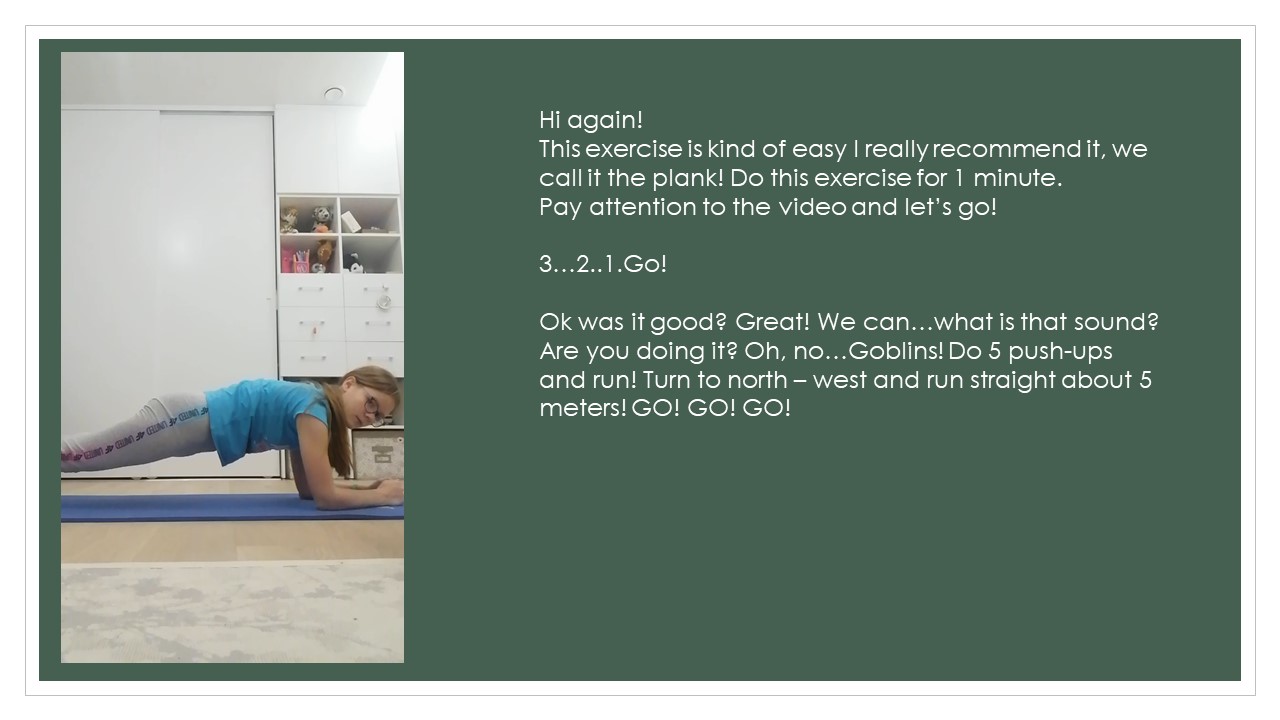
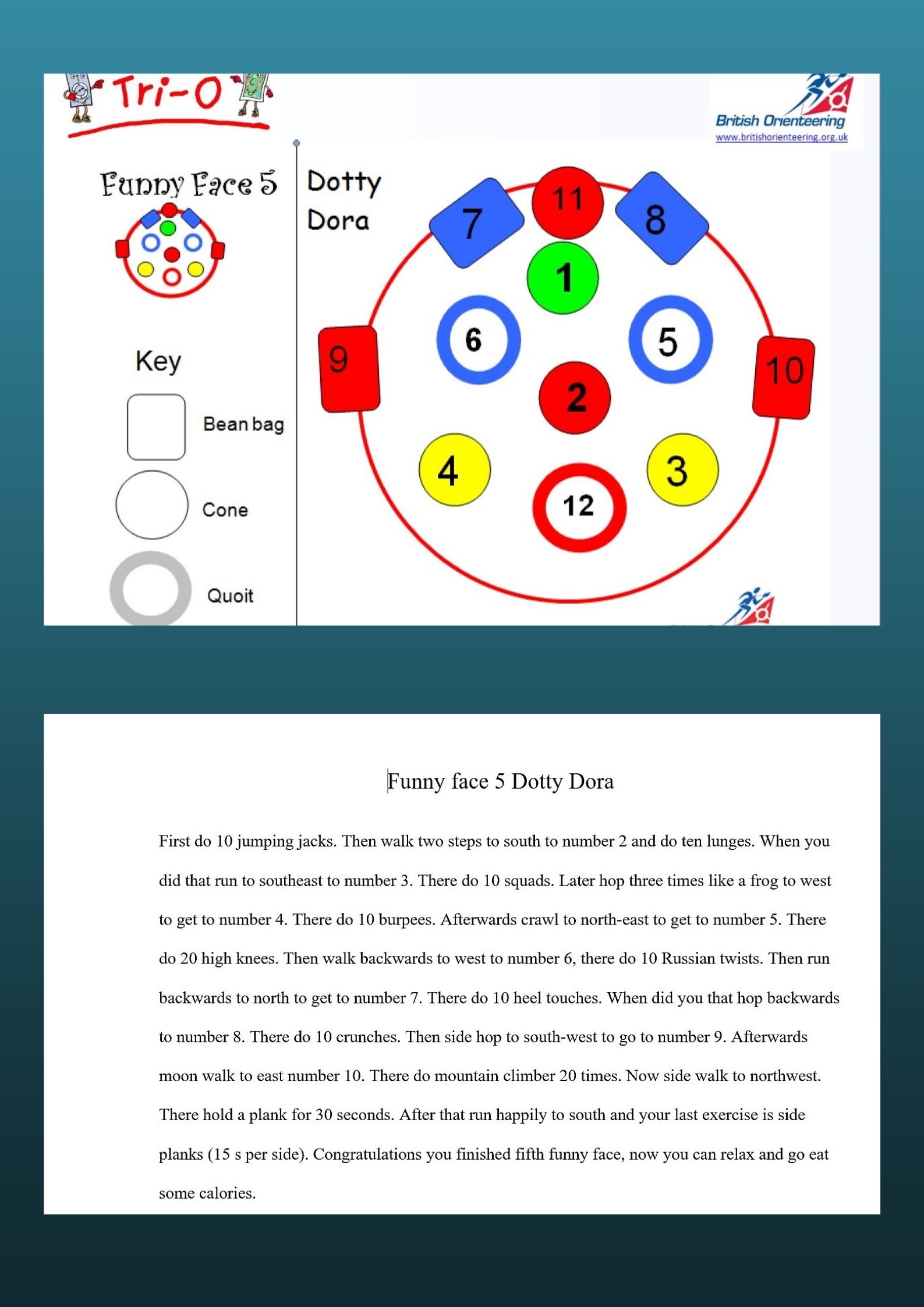
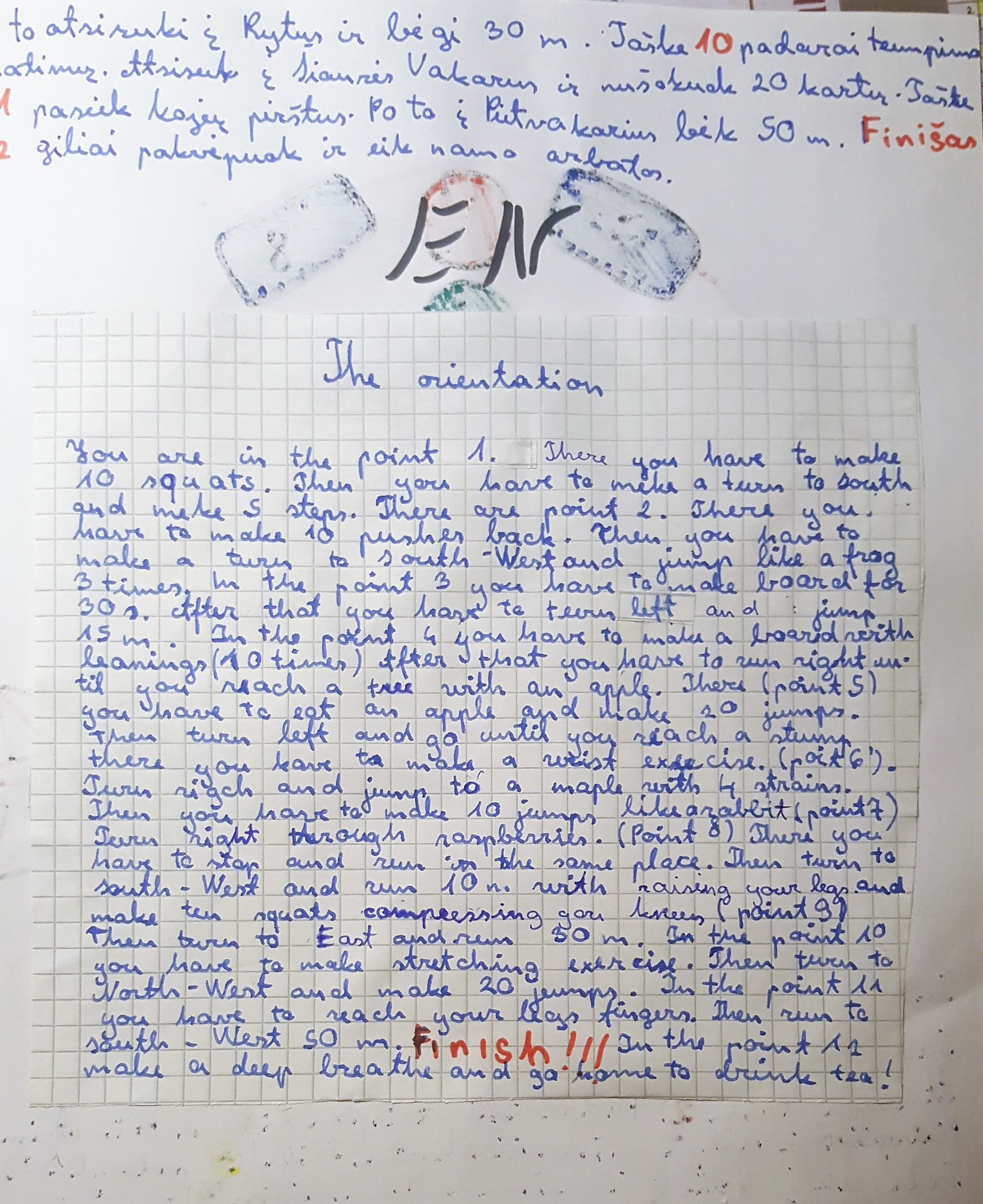
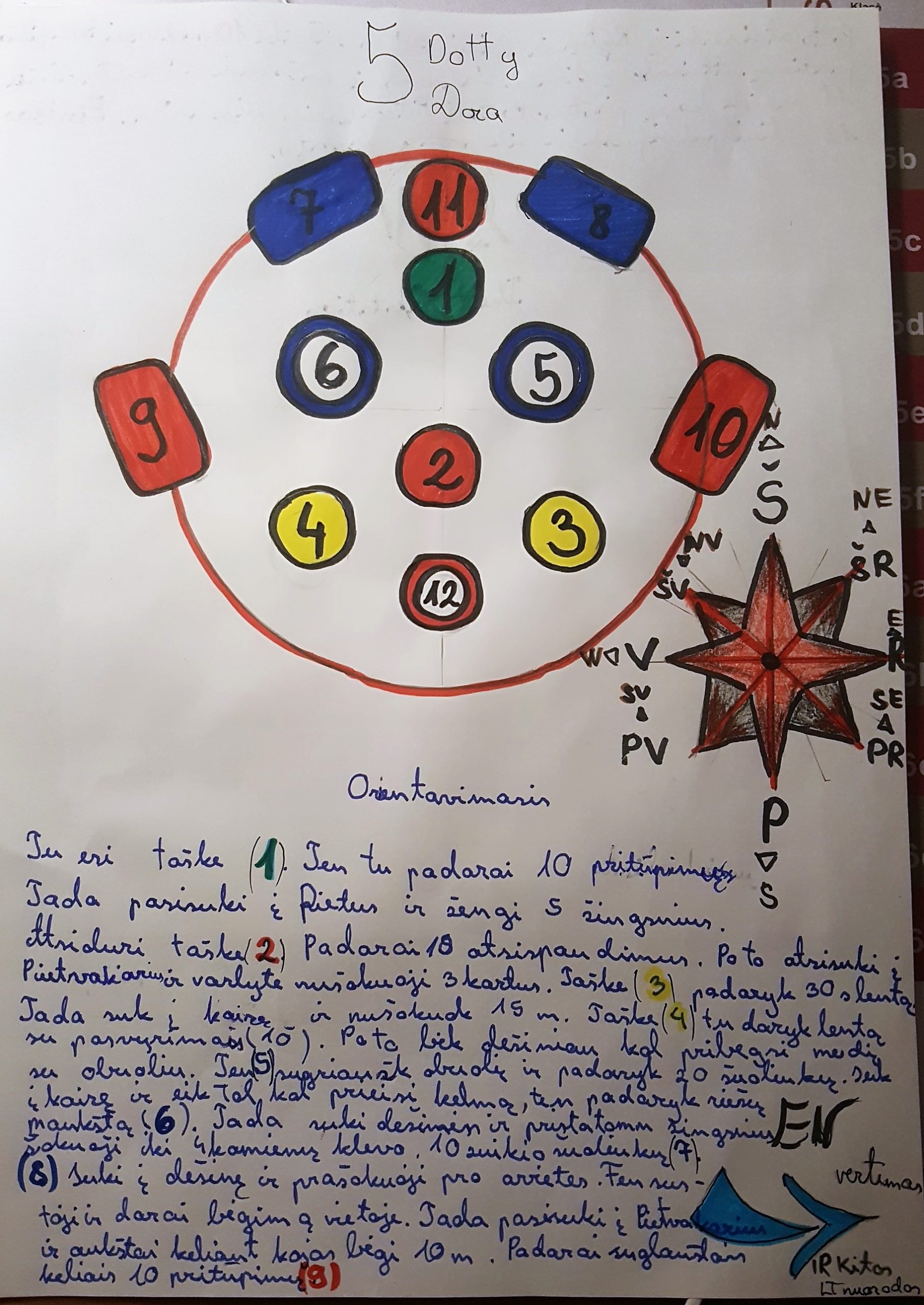
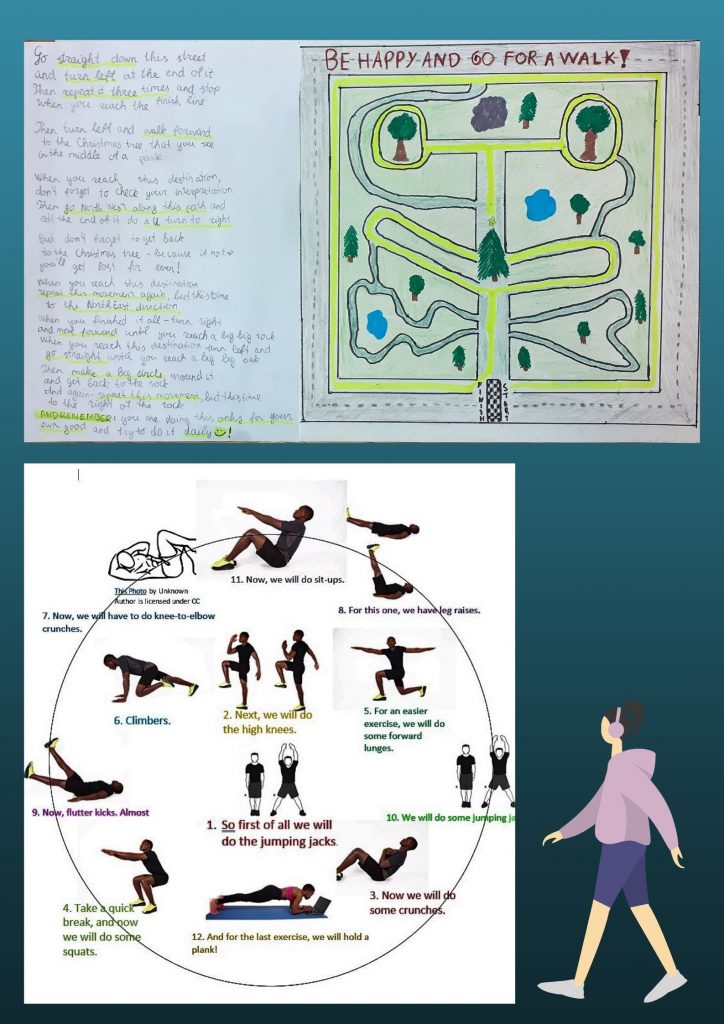
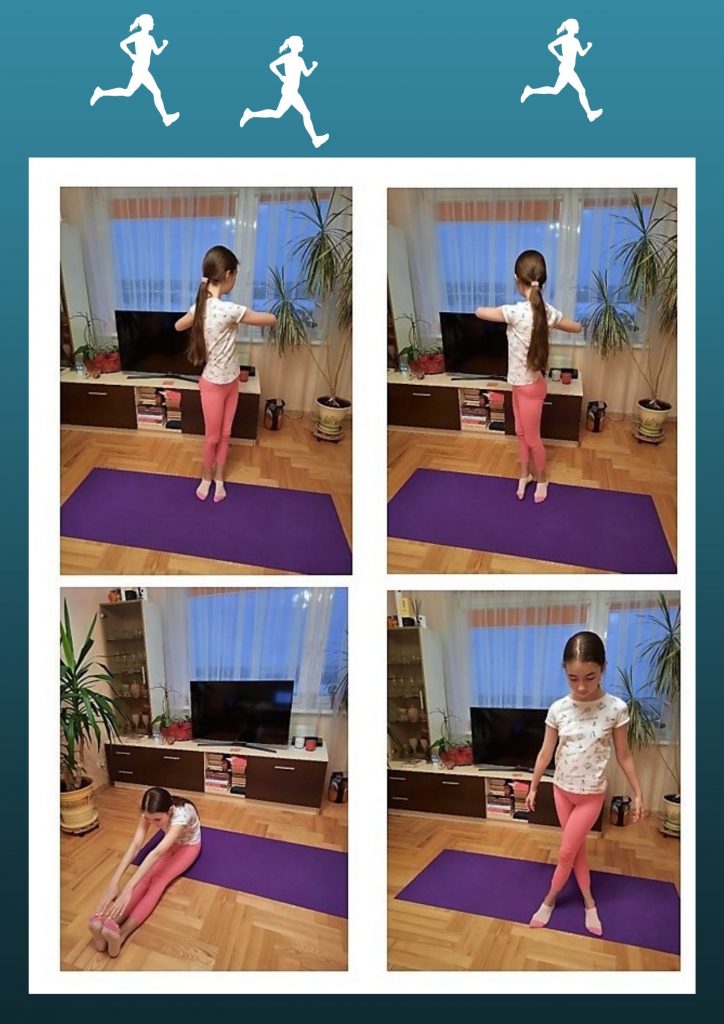
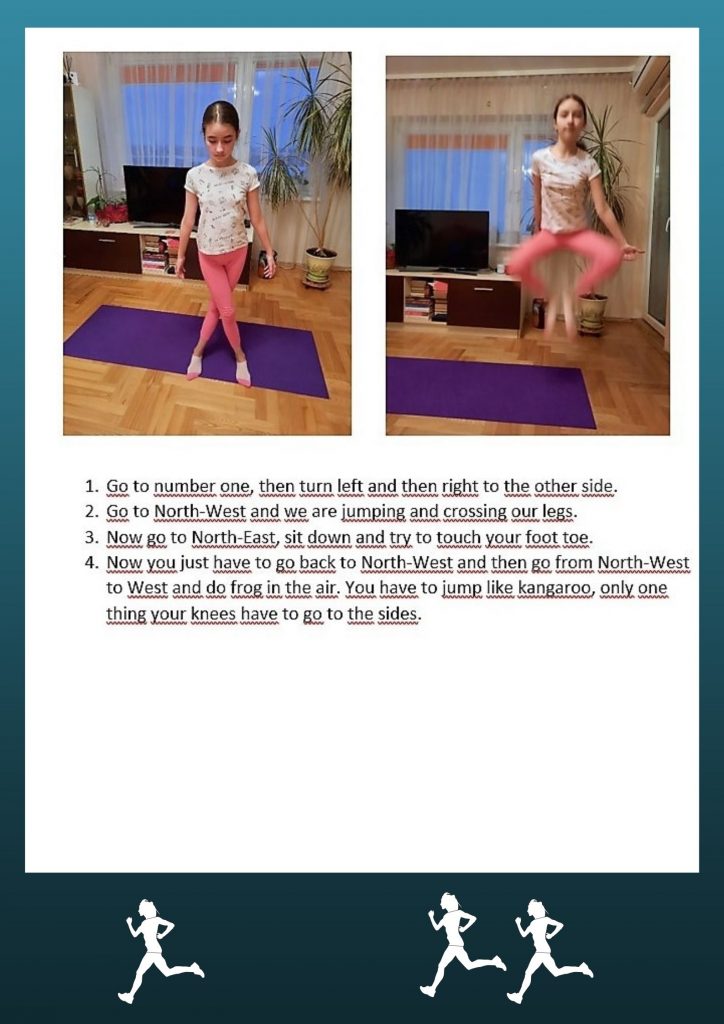
This activity was integrated into English and PE lessons in December and January. The students were free to choose either to work on his /her own or in groups. We used maps shared by Estonian school. The students were asked to be creative and use their imagination as much as possible.

Project Work :

First when I heard about the project I got very nervous. I didn’t quite understand what to do and it sounded like it was going to be hard. So I really didn’t want to start working on the project. But then I heard that we are going to be assigned to groups which was a good thing because there will be less work for each person. But I still didn’t want to start and I didn’t know what to do. And when I finally made myself to go outside and do the project I immediately came up with how to do it. After that it was quite easy. The only harder thing to do was to record everything without making a mistake. The hardest thing to do in this project was to make yourself get up and make yourself go ouoside to record, because during this quarantine we all got really lazy. I think that doing another project like this soon wouldn’t be a bad idea especially a group project, because it’s something different than the regular and boring homework. 

Romualdas L.

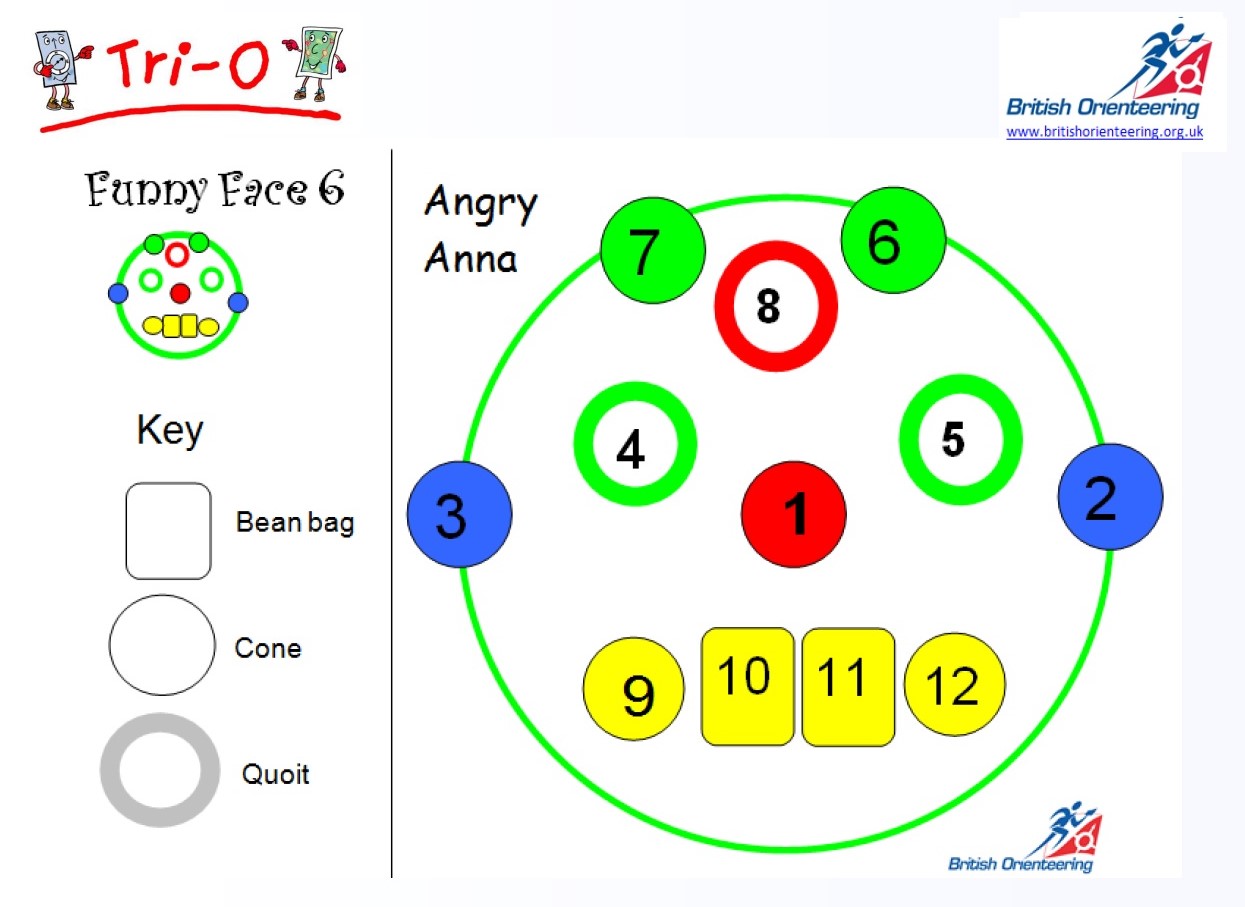
Angry Anna

Project Work:

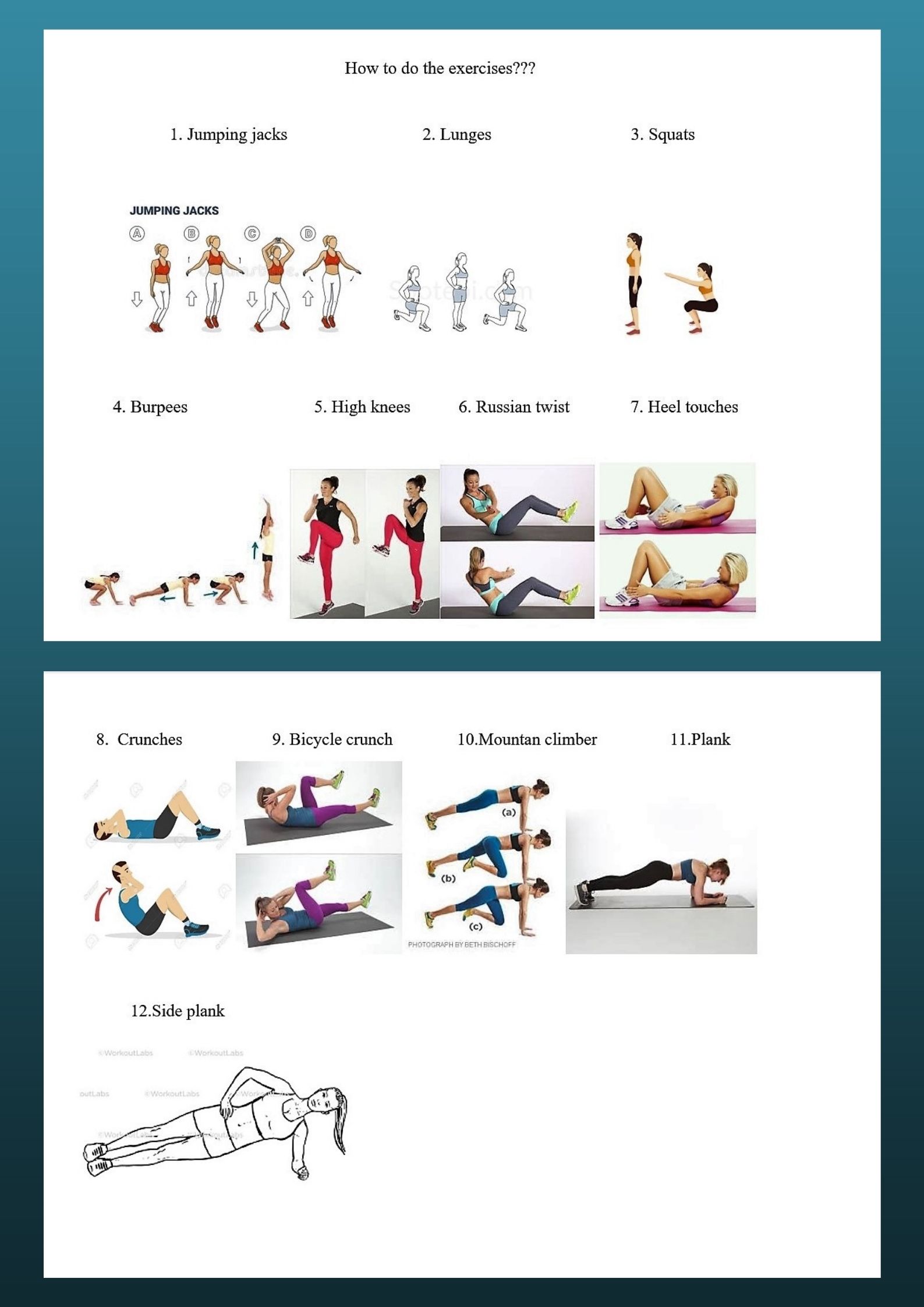
This was a two weeks sport project, and nothing was new for me. Me and my friends did this work so perfectly. Firstly I was not very keen on it. I though this work wasn’t good or even something like a waste of time, but I had a good team, very smart and responsible friends. After two weeks we completed this very beautiful work. We had different roles in the team: I and Elija showed different exercises; Dagnius was a movie maker and Danielė was a sound recorder.  

I am proud of our movie and I am waiting for the similar work. I enjoyed work in the team. That was very fun. 

 Martynas V.

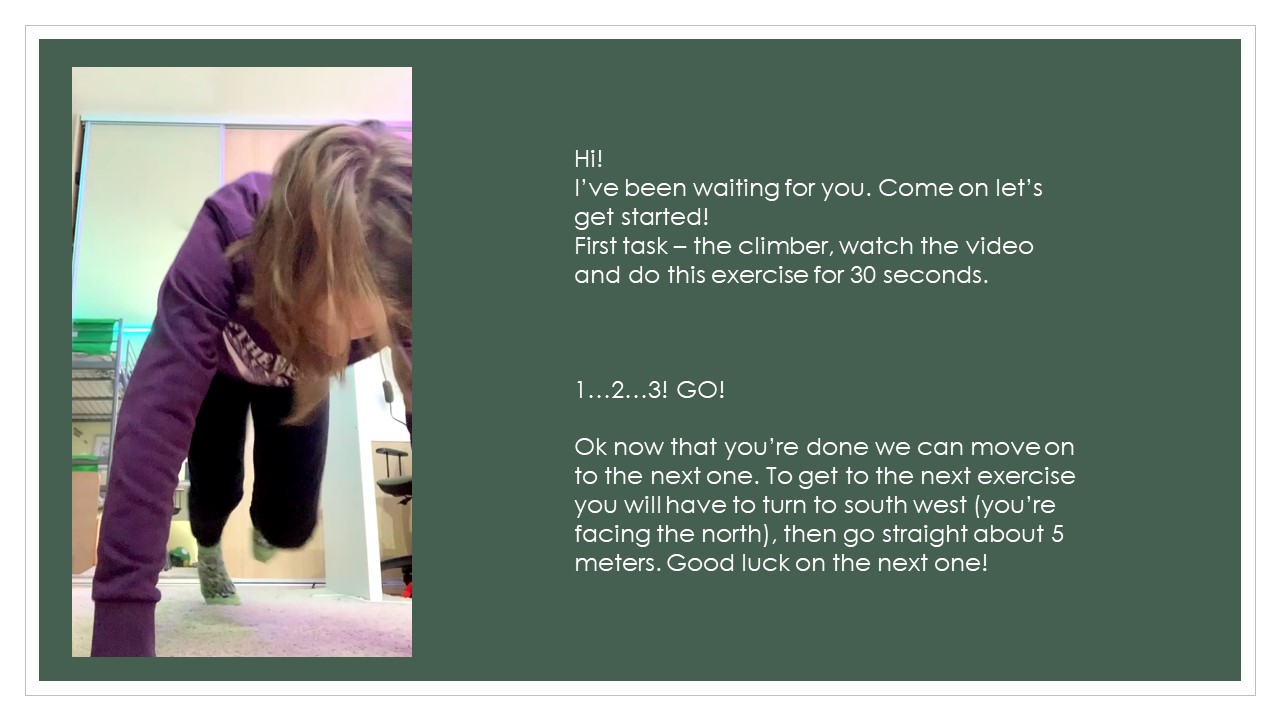
Sad Sam

Presentation:

Sports. Eimante

Audio File:

Talking Dolls

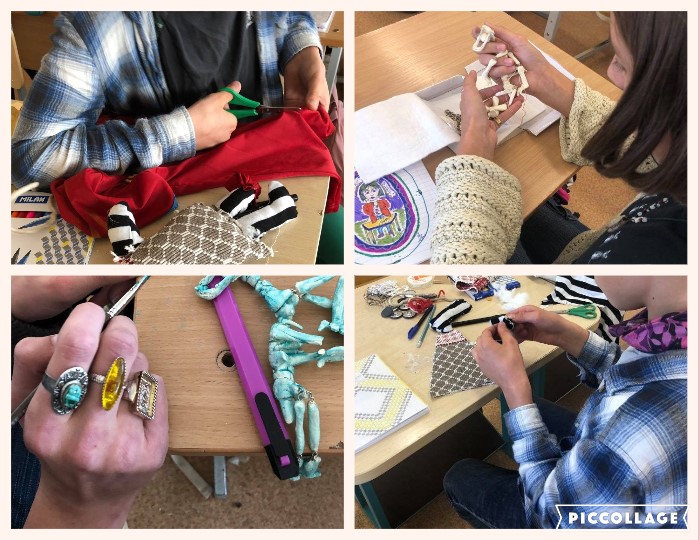
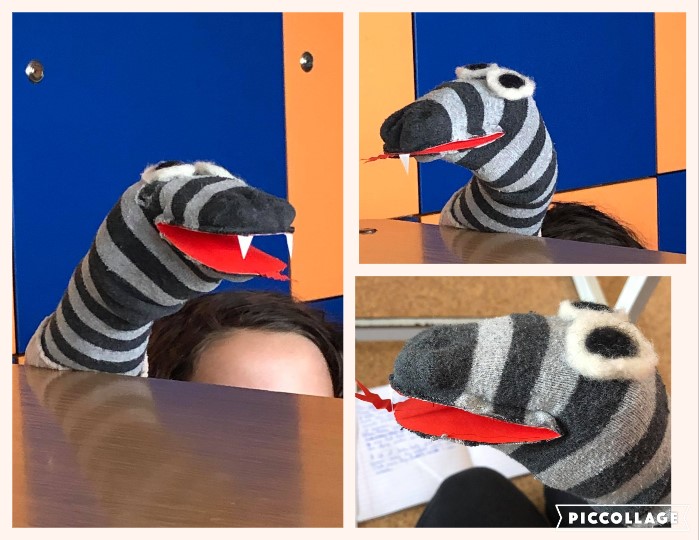
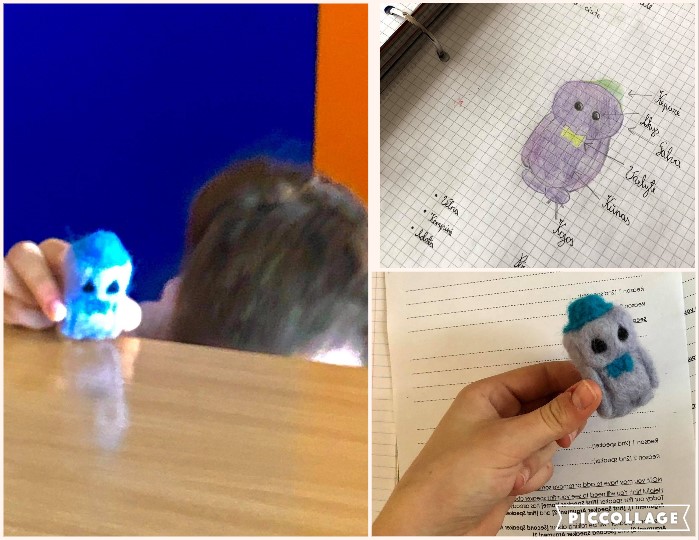
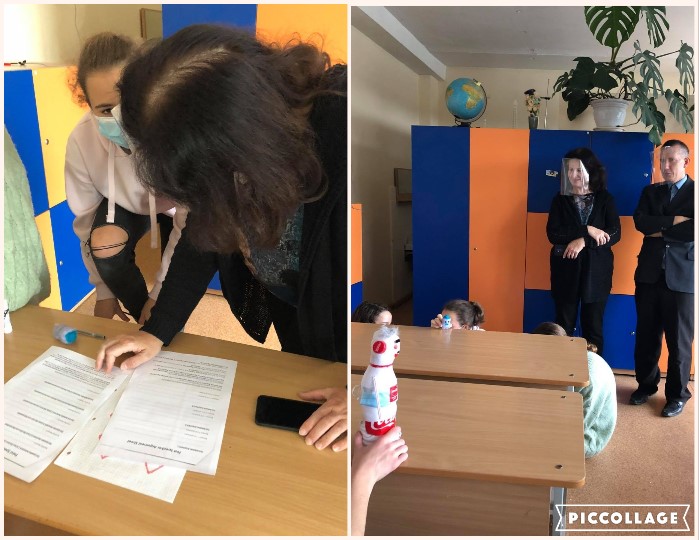
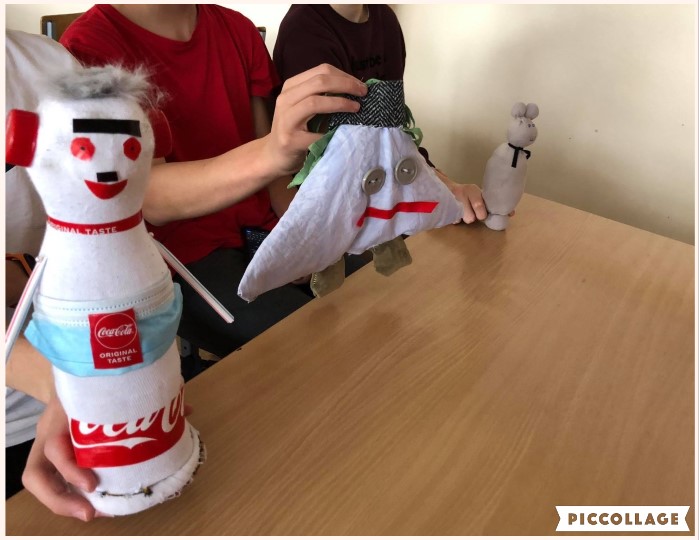
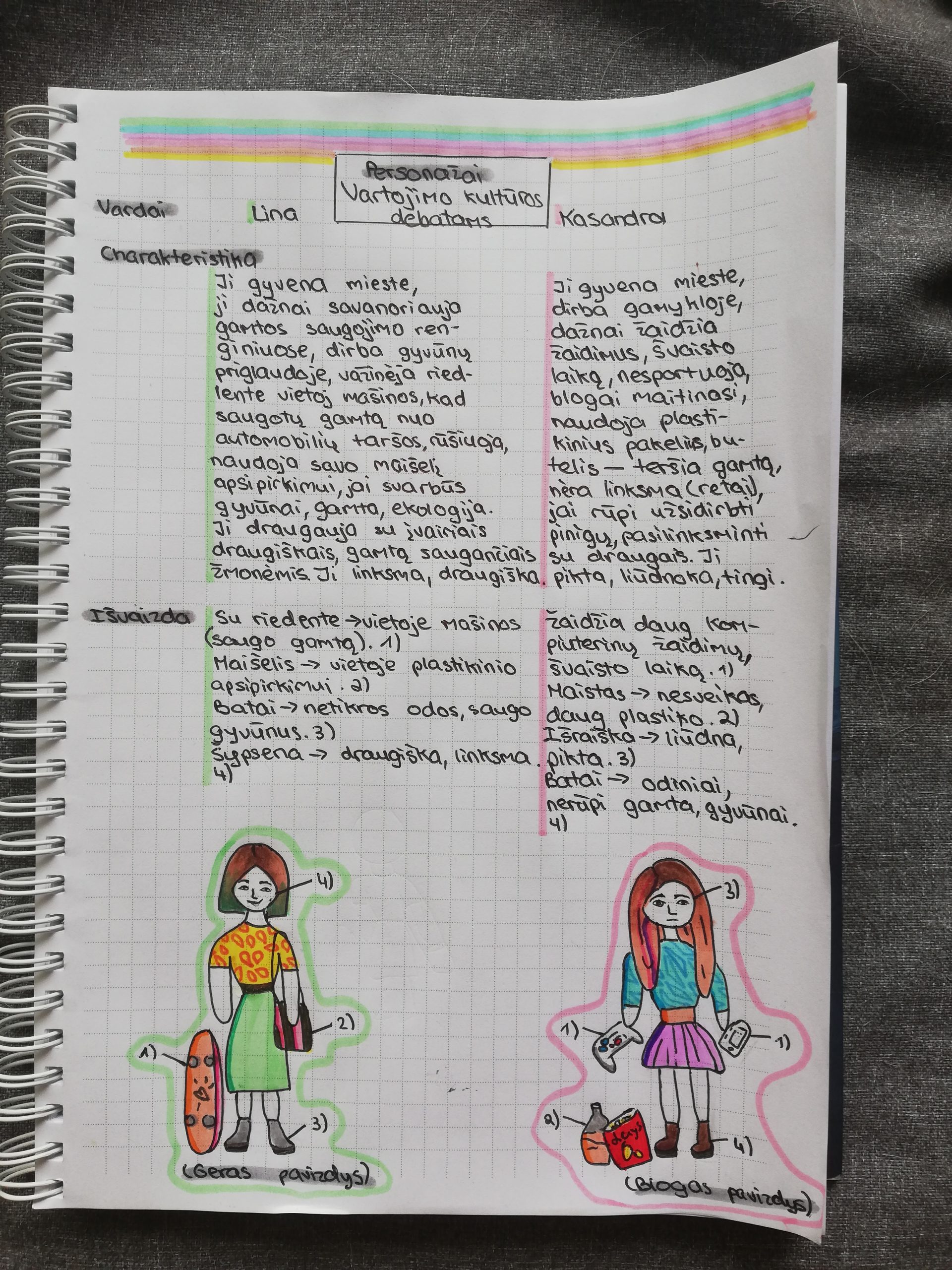
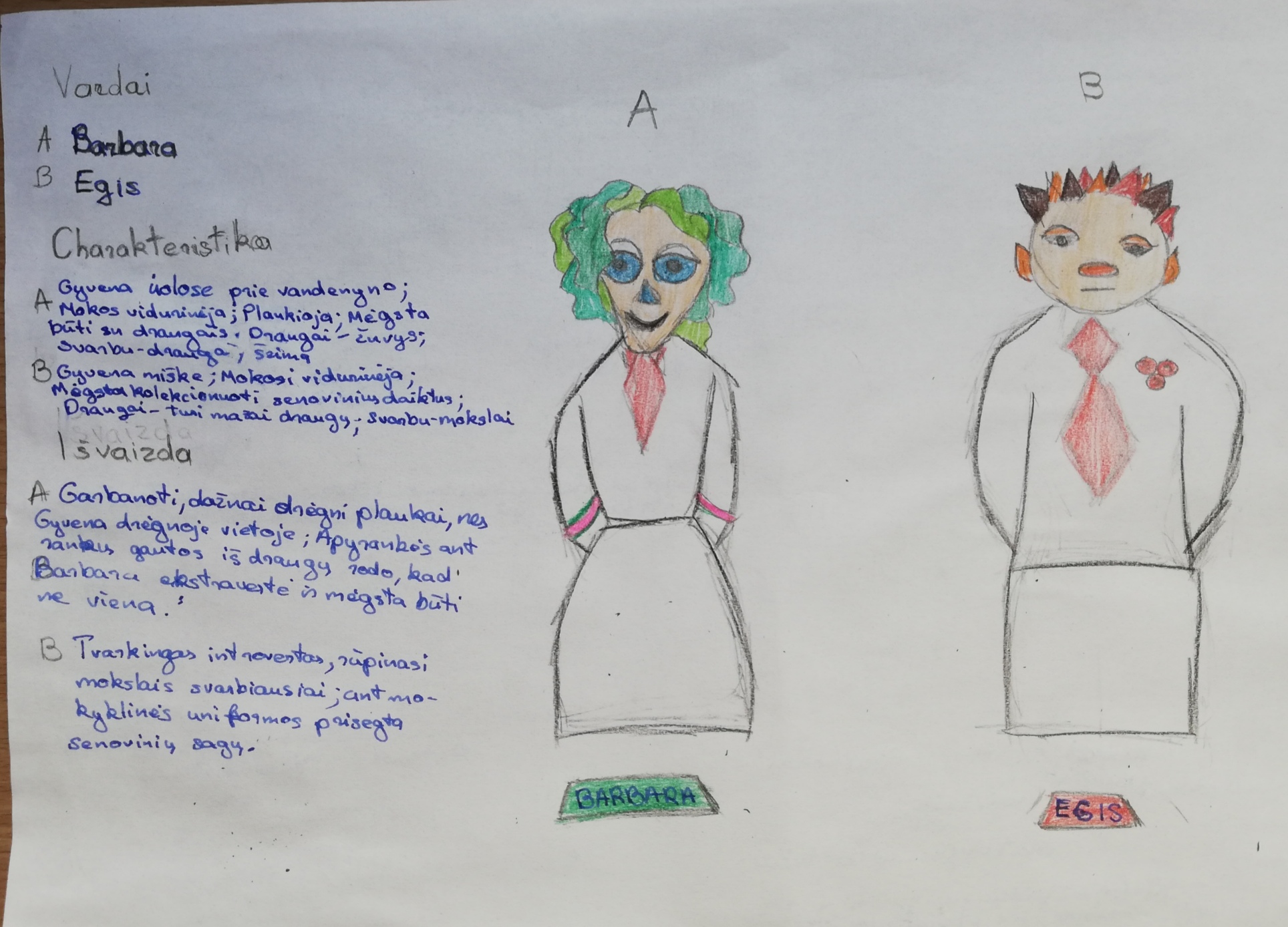
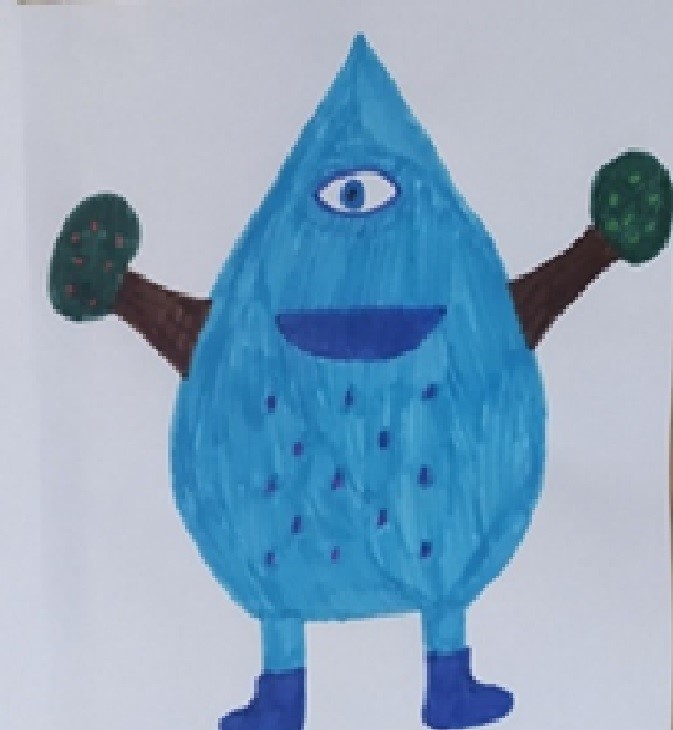
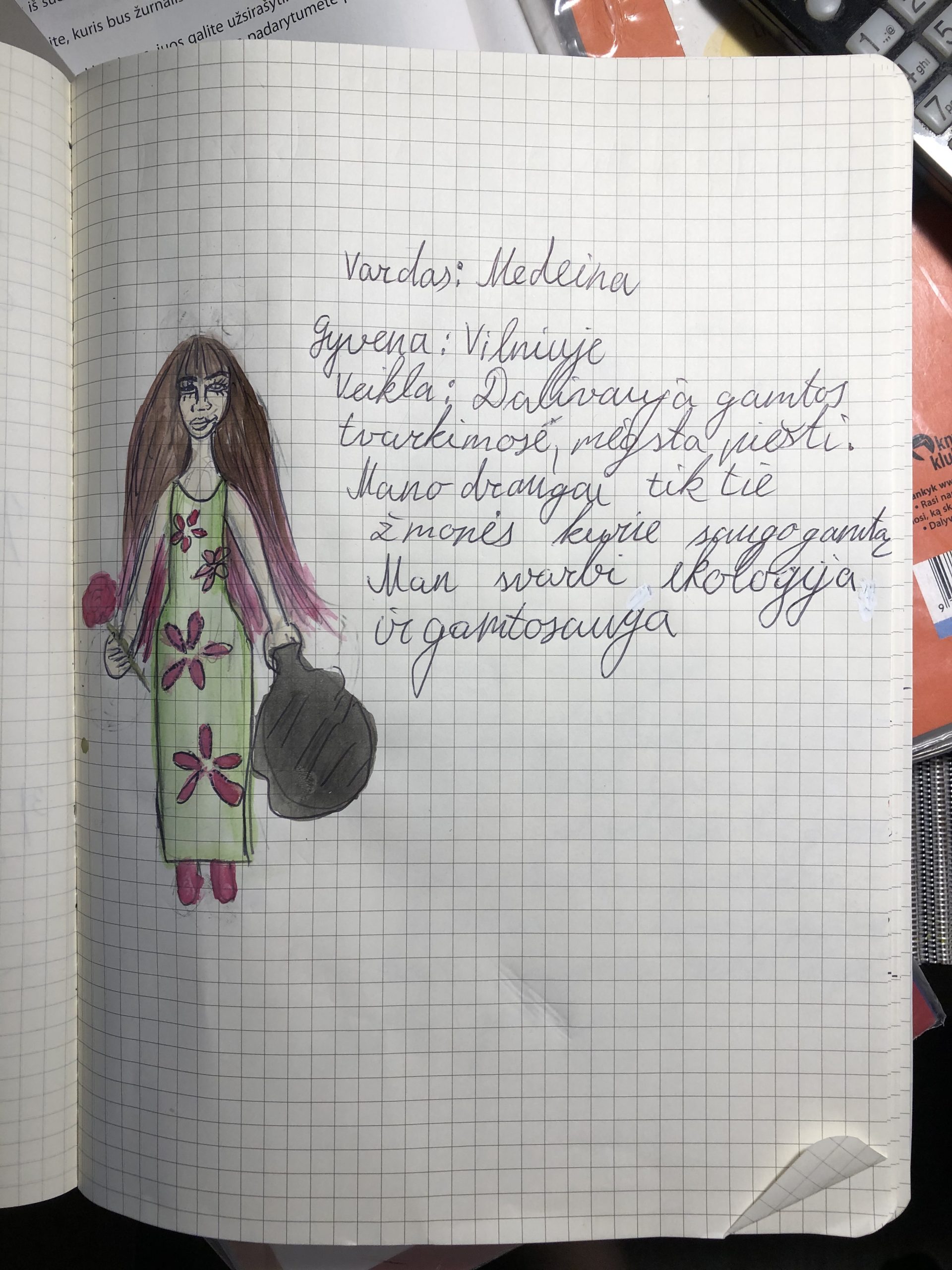
On October 22, there was a debate on the environment during a technology lesson in class 8e. The dolls that were created by the students talked about nature conservation and recycling. Eighth-graders’ debates were very original, the dolls were made of different materials. Each student empathized with the character, participated in the debate, developing not only critical thinking but also communication skills in English.

English teachers Ilona and Robertas were helping the students.

The best work was chosen. It was created by Jokūbas Kojelis. You can watch this TV show here:


Puppet debate (English version)

Topic: Should you recycle? 

Character 1 – Bella     

Character 2 – Alex 

The type of the debate: TV show 

Host of the show – Sam 

TV show’s title: TPD (The puppets discuss) 

Teachers are Planning

After returning to school with new experience after summer holidays and learning online, communicating with each other in groups by school subjects and interdisciplinary activities, discussing updated curricula, teachers prepared for the new school year and refined their lesson plans. Theoretical knowledge and critical and methodological remarks gained during the seminar “Development of Creative Skills and Critical Thinking in Lessons” were useful.

This academic year, the project “Skillful thinking – active learning” will focus on subject integration and research activities.

Debate Heroes

In May, using their critical thinking techniques, our school students delved into the world ‘s ecological and economic situation and changes which were influenced by Covid – 19 quarantine. The students shared their experiences of survival during quarantine and noticed that many people changed their consumption habits. They were encouraged  by teacher Audrone who  helped them to formulate two consumption strategies- “Organic” and “Economic Promotion”. Based on their observations, the students created the debate heroes -“Environmentalists” and “Consumers”.

Students prepared for the debate

In spring (April-May), by learning online, students prepared for a debate. After choosing a relevant topic, they chose characters and drew sketches. During technology lessons with teacher Dale, they created different characters. They made dolls from chosen materials, then invited friends in a zoom meeting and explored the problems. You can see the online student exhibition on our school page.

http://www.pliaterytes.lt/2020/06/15/mokiniu-kurtos-leles/

Mind Mapping Methods in English Lessons

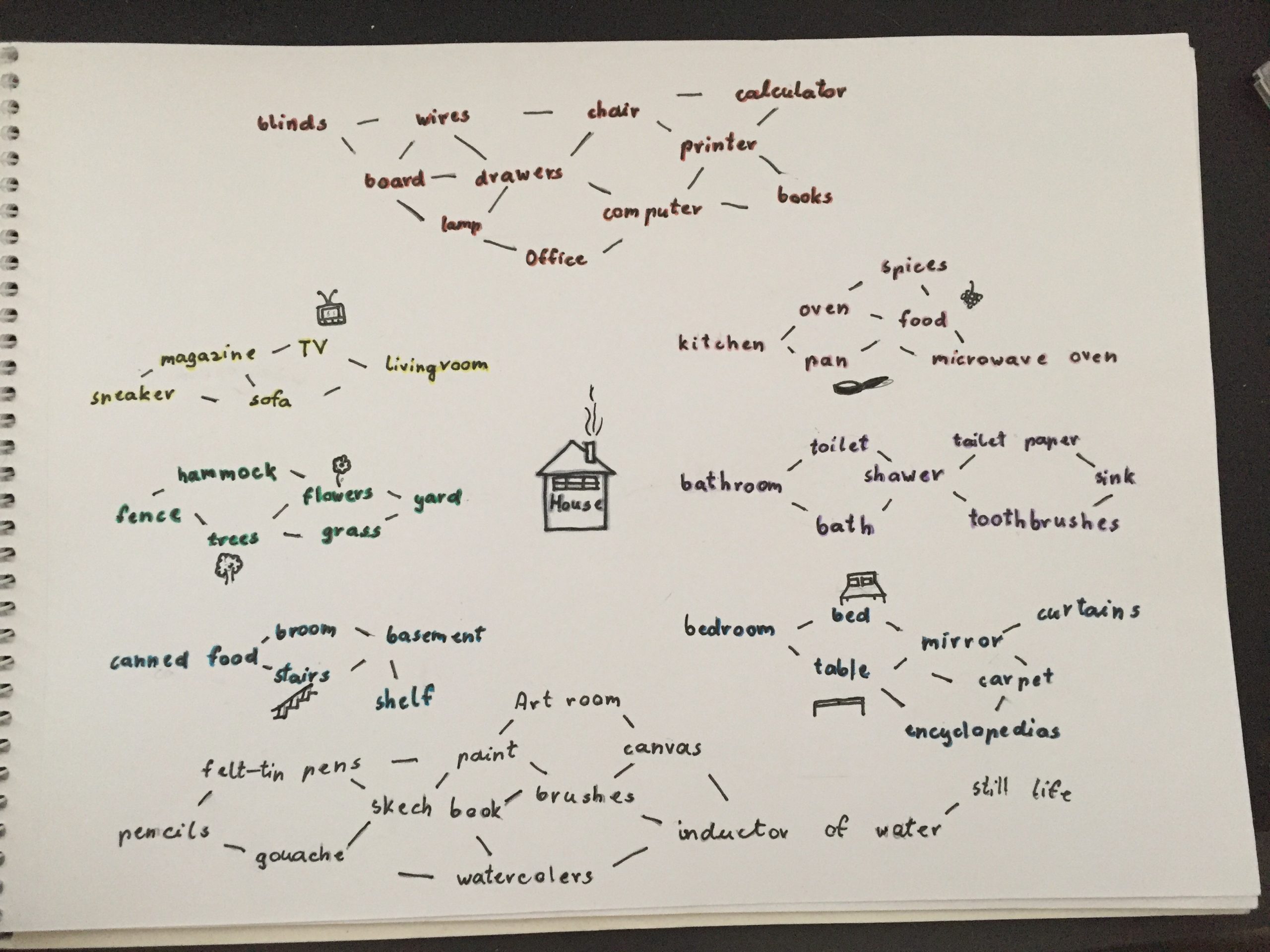
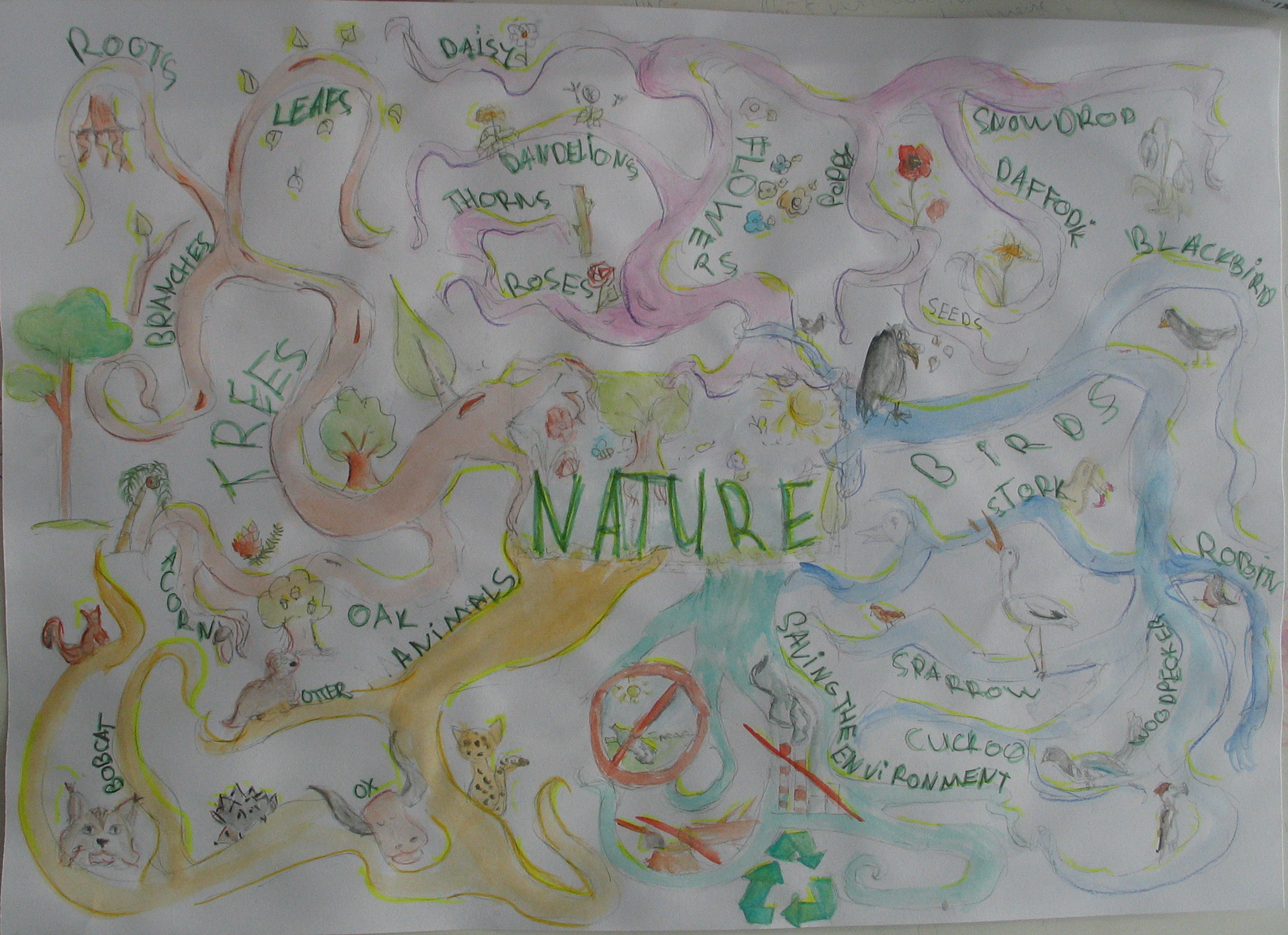
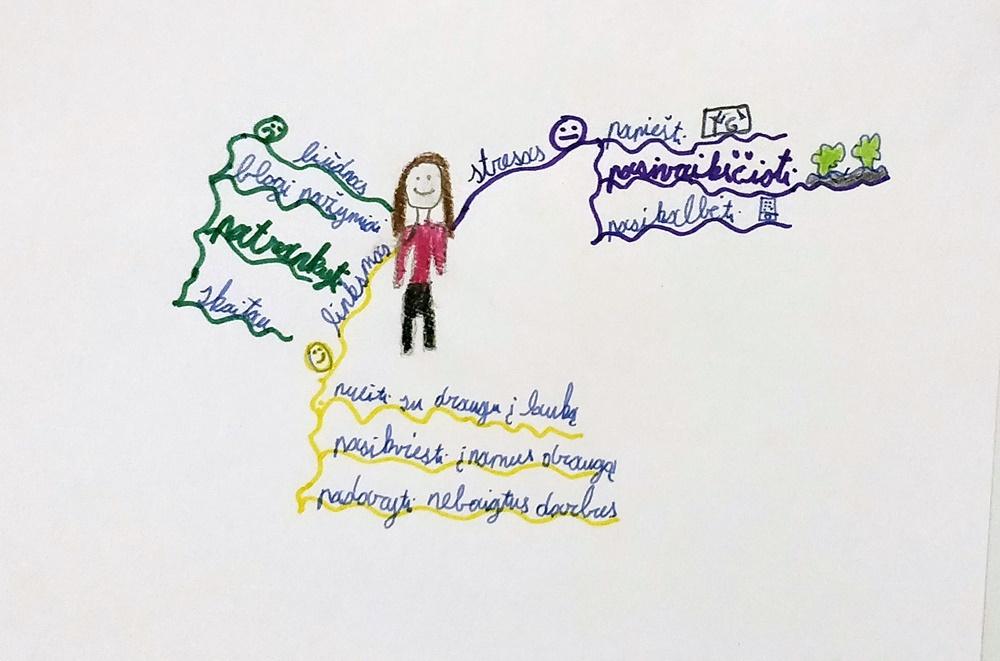
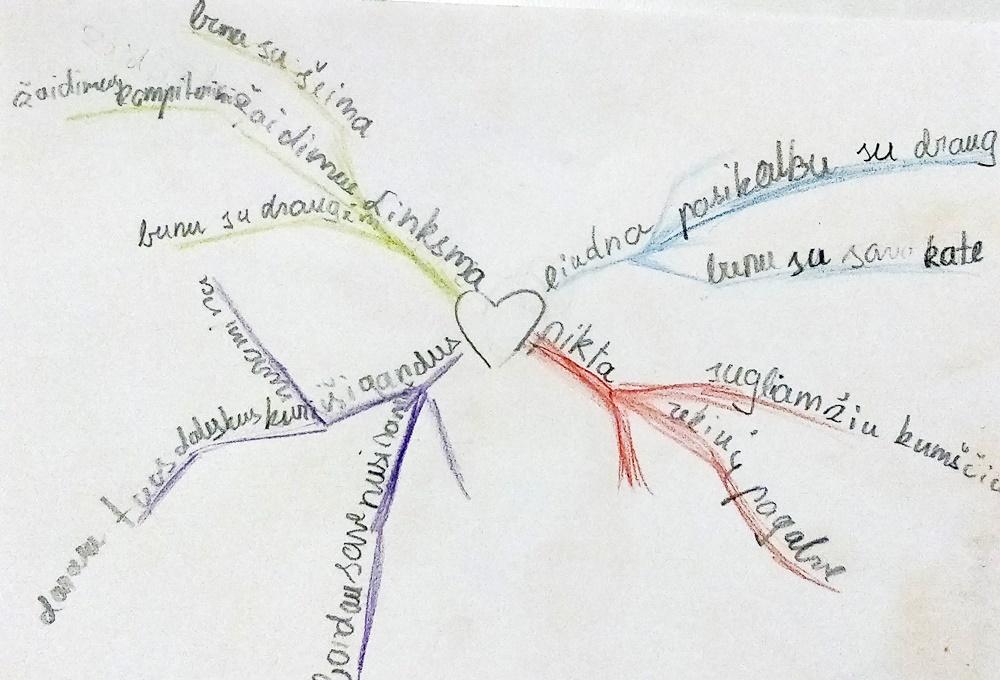
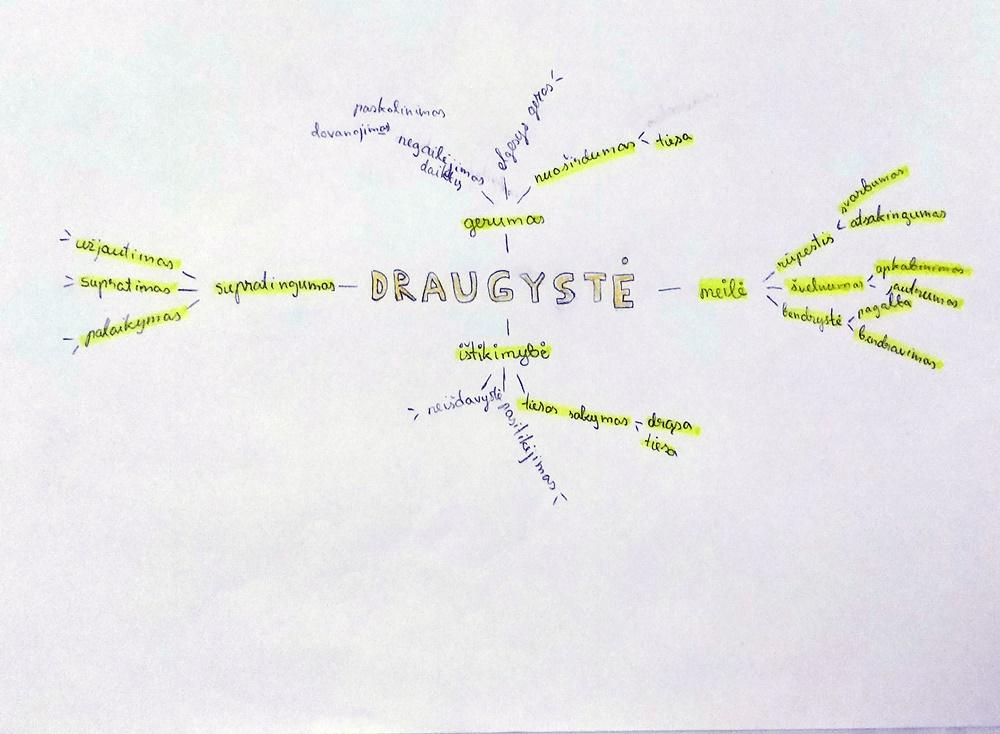
Learning online the Mind mapping method was very effective, students could easily share their work and ideas with each other during the presentation. In March and April this method was integrated in English lessons. Our school students tested it and  answered the teachers’ questions about Mind mapping techniques. Using this method, some revised their English vocabulary, others tried to plan their activities during the pandemic. Critical thinking helped them to decide how they can use it in real life or  learning foreign languages. We are sharing some our  students’ maps and thoughts from their reflections.

1. Why did I choose THIS Mind mapping theme?

I chose this mind map just because I had no other idea in my mind…

I chose Health because I think it is very important to stay healthy during these times in quarantine…

I decided to choose this theme because in spring those who want to join Vilnius Lyceum or Vilnius Zirmunai Gymnasium had to take exams. I thought that this would be a great idea to know how to prepare for those exams…

I chose this theme, because ecology is very important for everyone. We must fight with climate change, with pollution and with these people, who do not care about environment, nature and safe, clean planet!!!

2. What new words have I learnt?

None 🙂

I learnt “Insomnia” which is a sleeping disorder, nothing really more because I have a wide word ‘pool’.

Unfortunately, I haven’t learnt any new words because I misunderstood the main task and I didn’t put new words how teacher asked…

I have learned these new words and phrases about environment and ecology: consumerism, urbanization, cooperation, law, cutting forests, solar system, human…

3. How was it useful for me?

I guess that it was useful, but not a lot. I do use a lot of these words on a daily basis…

I feel like I can use this mind map and stay healthy…

I think it would be useful to know how to prepare for those exams because almost everyone was going to try take exams. It is useful for me as well because I was going to take exams too and know how to prepare for exams is great…

It was very useful for me, because I have learned new words, I have got more news about problems and actions, which help us to care for planet. Also I have got knowledge about human actions, which destroy our nature. And it was very useful, because I like talking, writing about ecology and environment. I like help nature too.

4. How can it be useful for my classmates?

It is like a short dictionary about some household appliances…

I think my classmates can use this the same way I do by following it and staying healthy…

For my classmates it must be useful, because to save nature and to care about environment it is our duty. This mind map and these words and minds which are in my map, help for everybody now and will help in future, because everyone can look and think about his action-how he helps, or not for nature…

5. What do I think about mind mapping techniques?

I have no idea, how to answer this question. I had a hard time making mind maps before and I have done them only a few times before…

In my opinion Mind Maps aren’t the most useful things… 

I think doing mind maps is a great way to learn, prepare, decide something. But it took me way too much time that I don’t really have…

I think, to make such mind map is very good, when you want to get new knowledge, to say something or just to write interesting facts for yourself or others about any interesting theme…

.

Development of Critical Thinking in Literature Lessons

Throughout February 2020, 6A class students and their teacher Jolanta Kručkauskienė read Lithuanian folk tales about the creation of the world, about the life of Lithuanian goddesses and gods. The pupils found out about such mythical creatures as Devil, Thunder, God and others. They read a few stories about their pranks and adventures. Then, on March 5-8, the sixth graders performed a creative work in the Lithuanian language lessons. The pupils had to choose one of the Lithuanian sagas or legends they liked best and imagine that the mythological creatures and heroes live in the 21st century or later: what these characters do, how their living conditions and mindsets change. 

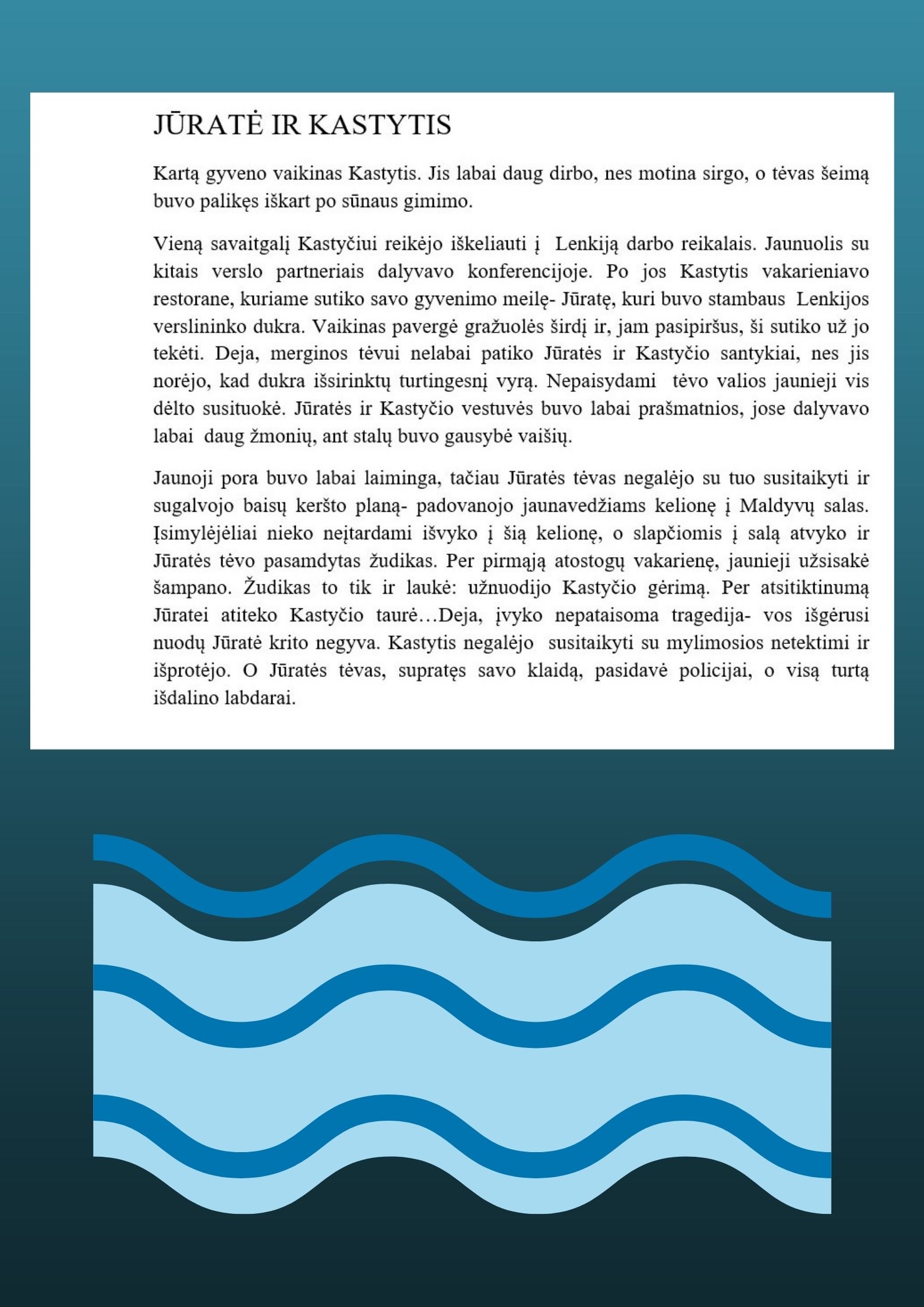
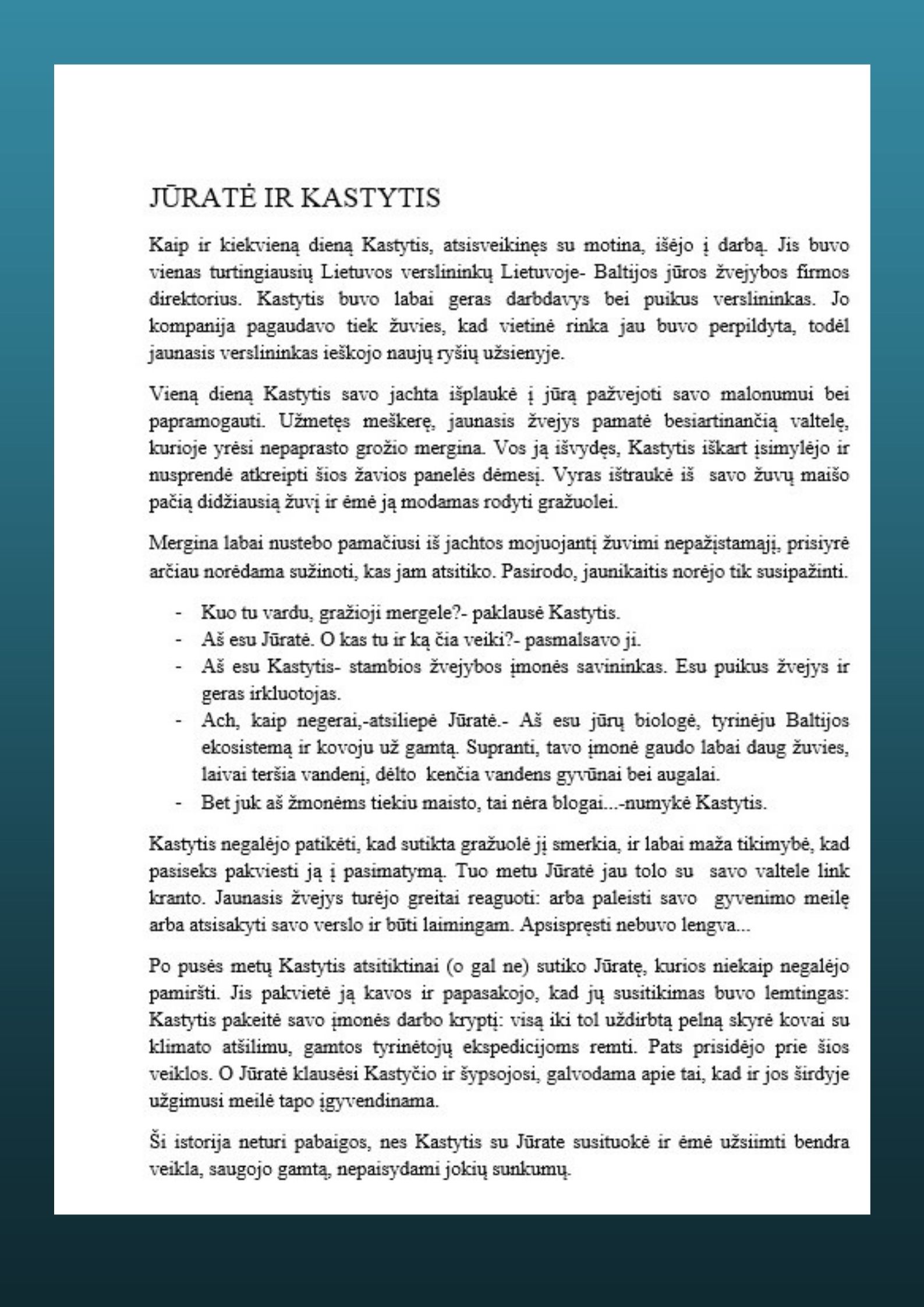
The students in grade 6A presented their creative works to their classmates. By consensus, three most interesting works were selected: 1. “Jūratė and Kastytis” – author Emilija Bartkevičiūtė, 2. “Jūratė and Kastytis” – author Alija Chorostina, 3. “The Man and the Devil” – author Augustinas Mučinis
 

The Method of Mind Mapping in Literature Lessons

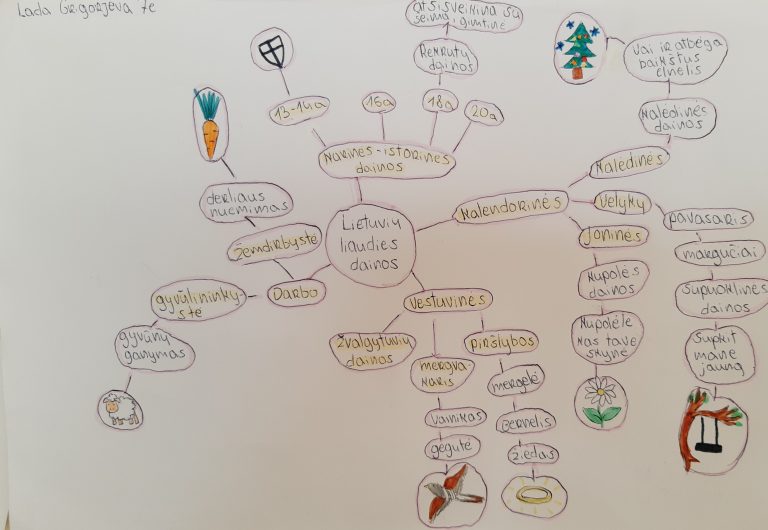
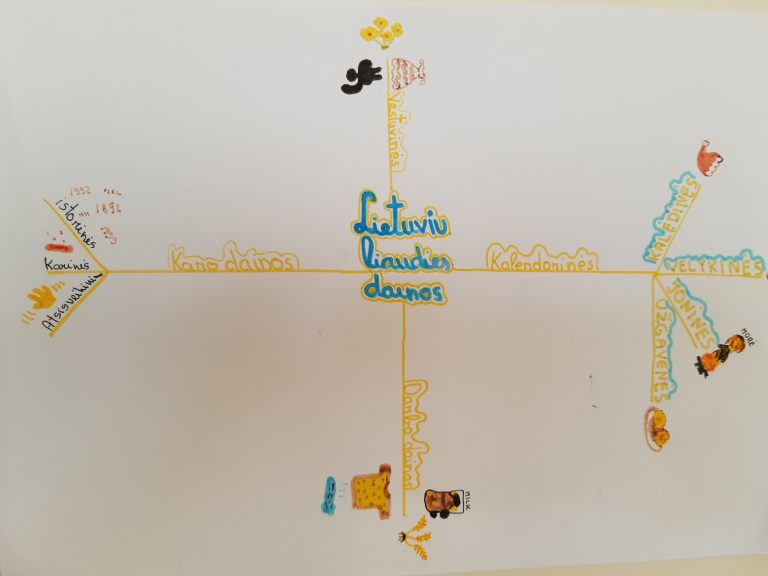
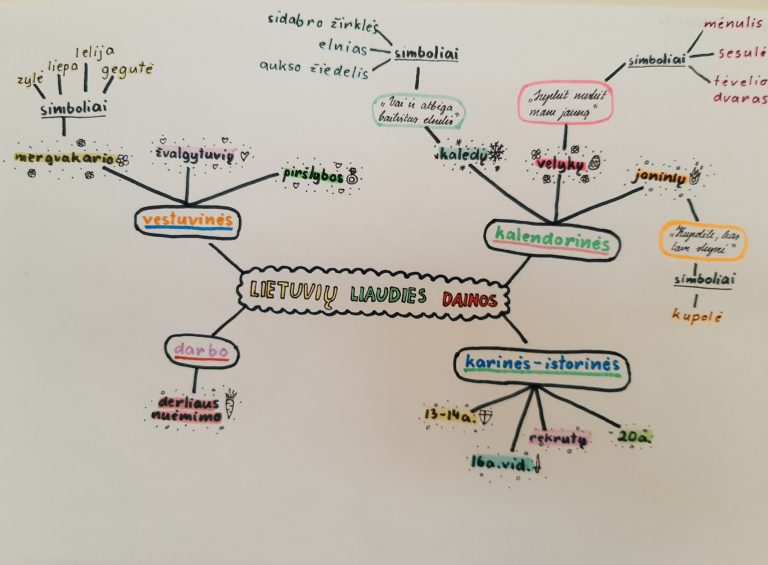
In February, the students of 7e practised the Mind Mapping technique in Lithuanian Literature lessons. They analysed and discussed various types of Lithuanian folk songs. After that, the students organised the information by creating a mind map “Lithuanian Folk Songs”, in which they presented the song types and illustrated their content. 

Our School Hosted a Workshop on Developing Creative Skills and Critical Thinking in Lessons

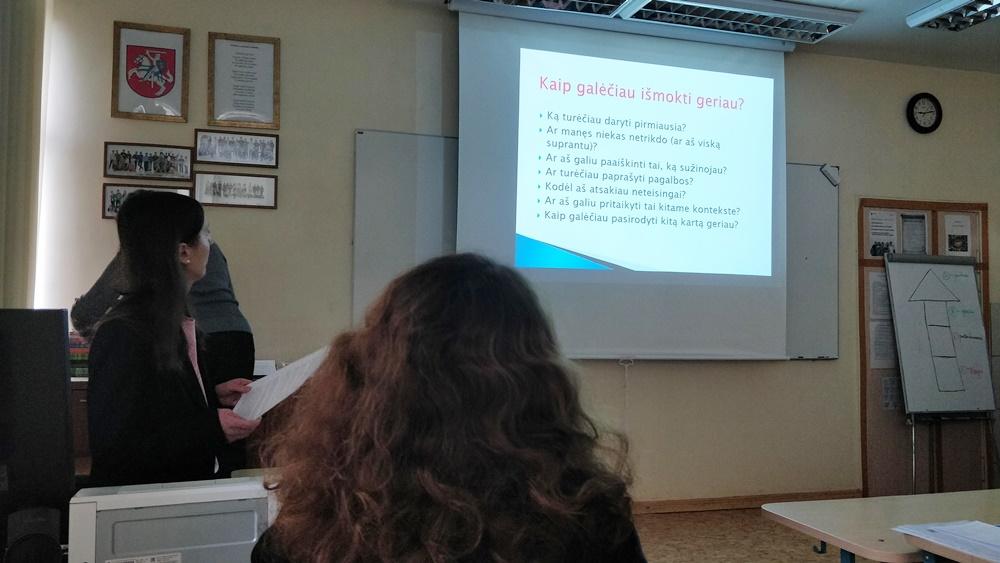
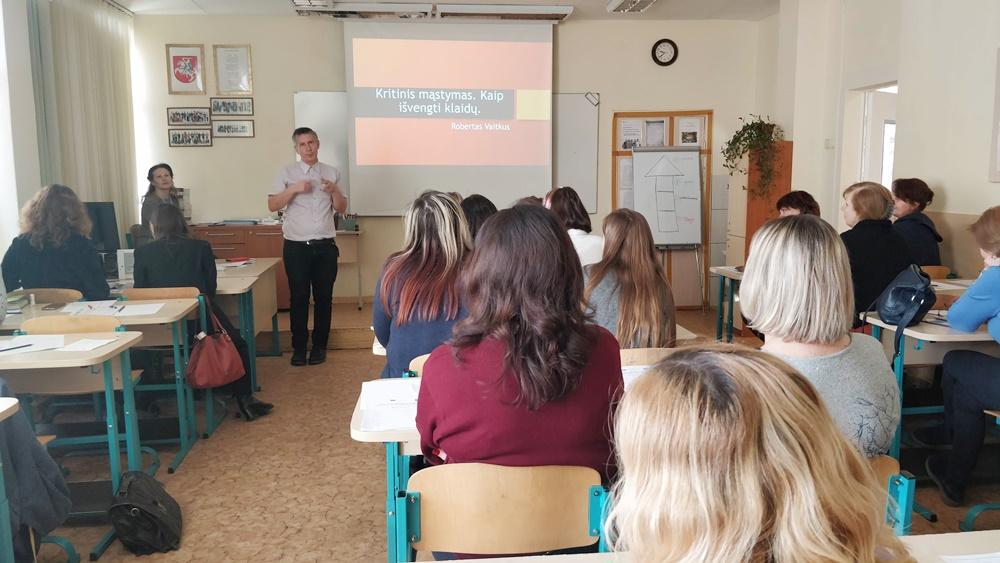
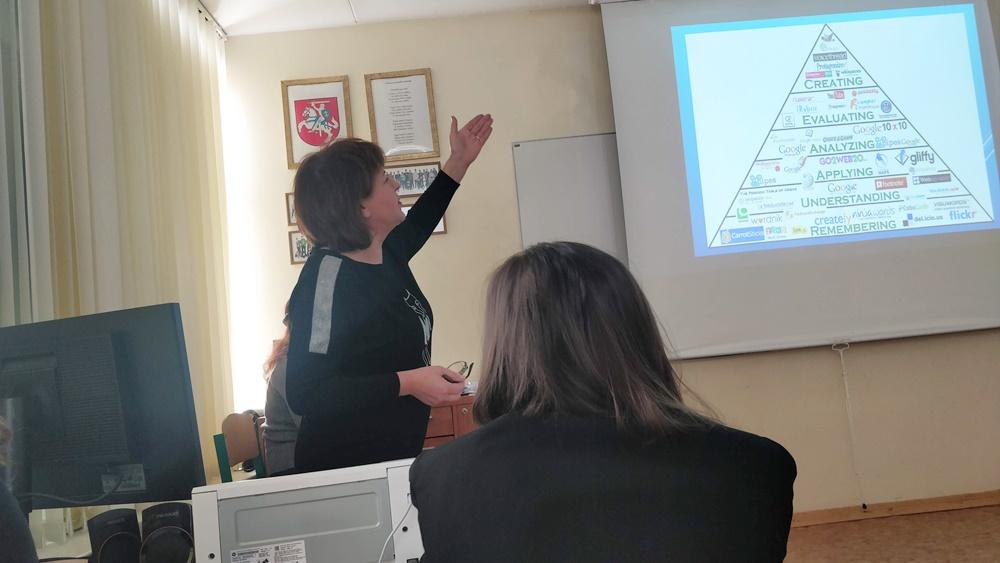
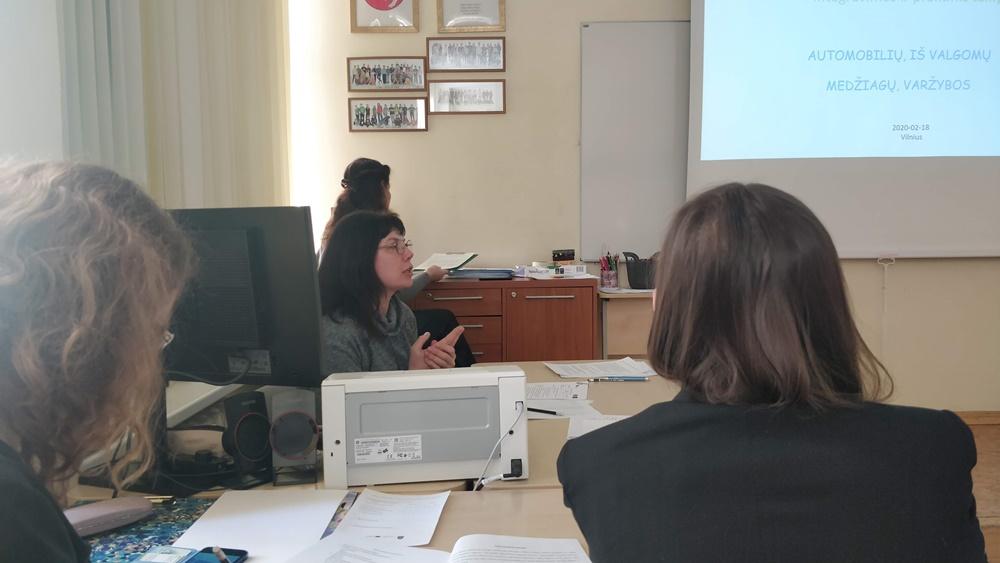
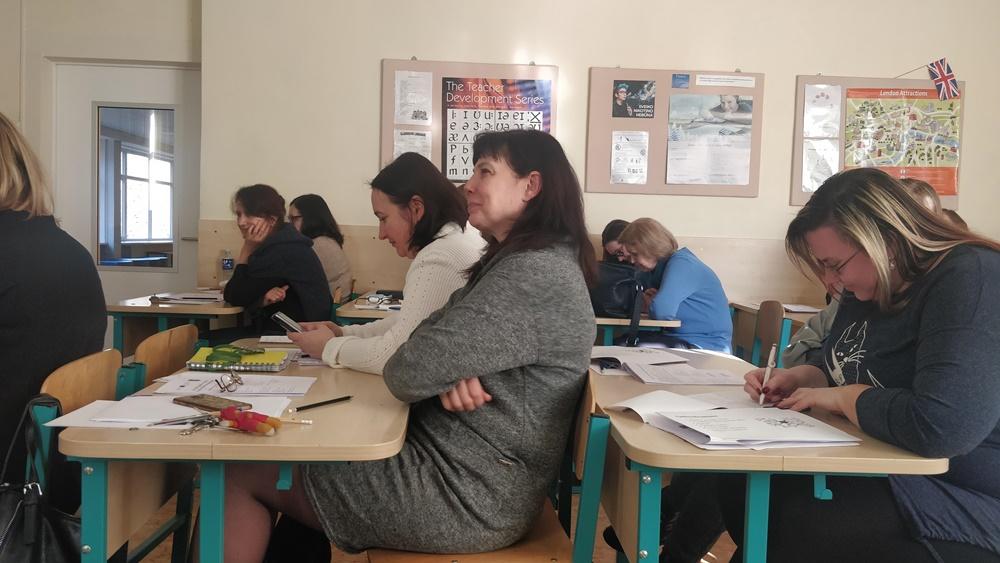
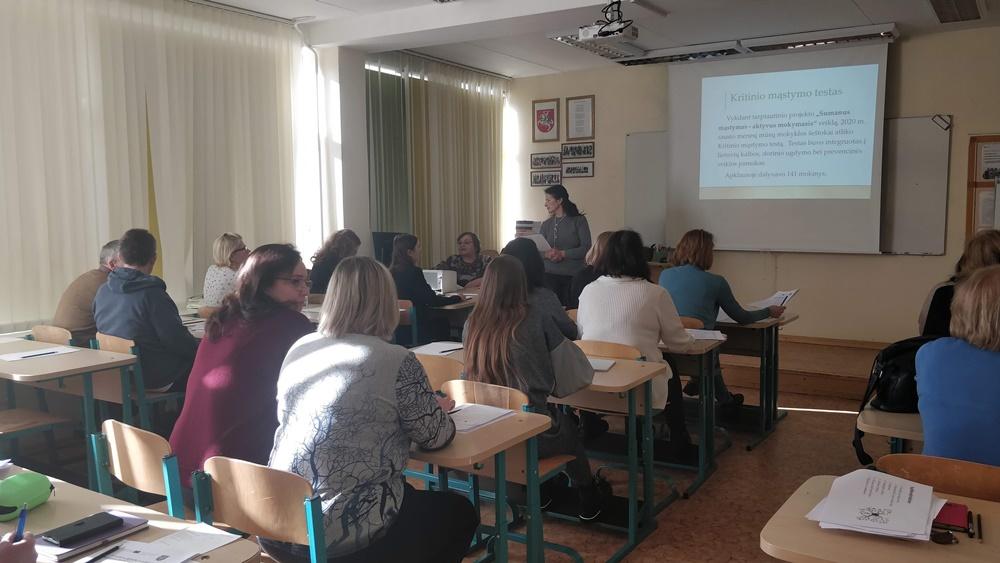
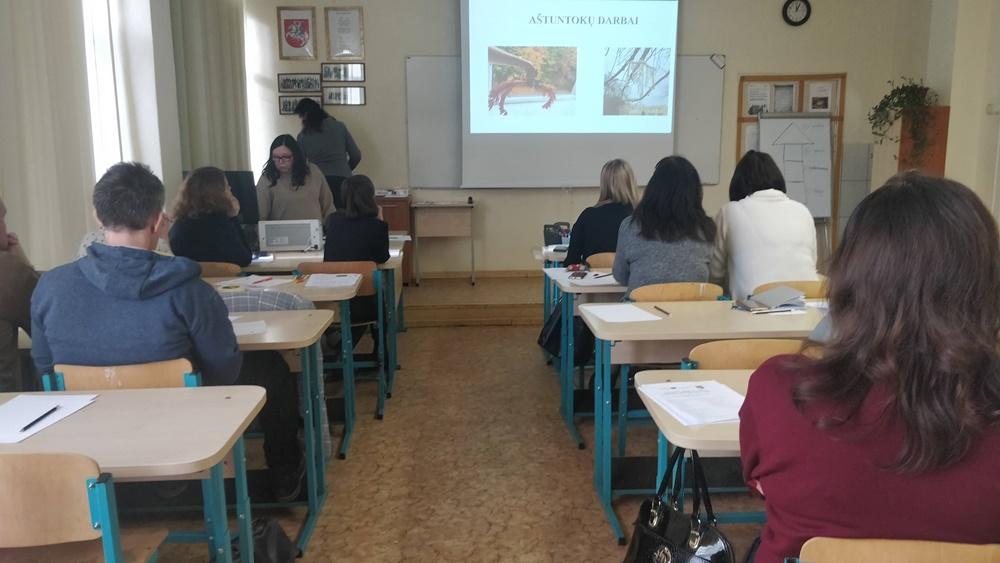
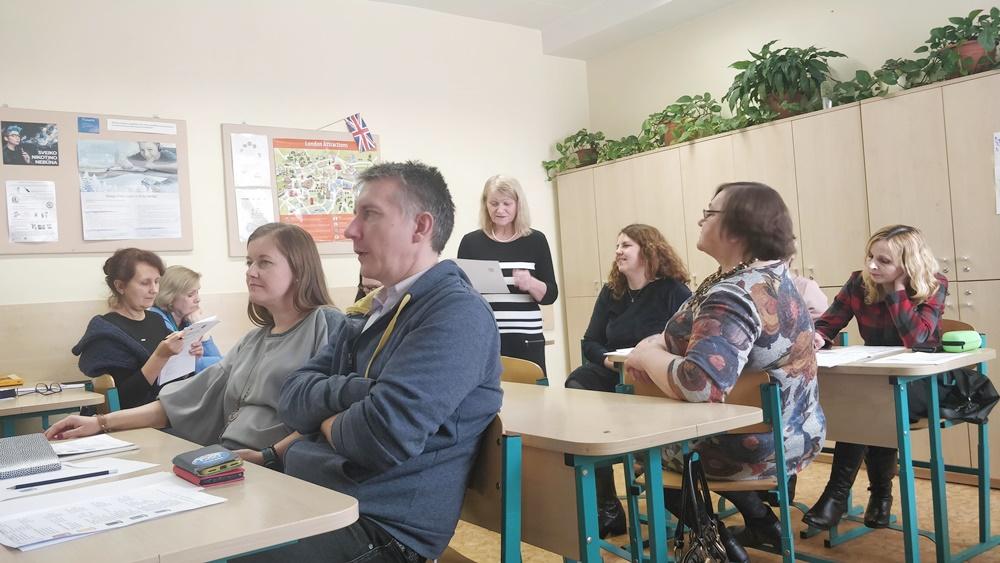
On February 18, our school hosted a workshop on Developing Creative Skills and Critical Thinking in Lessons, which was organised by Erasmus+K2 teachers-participants of the project Critical Thinking, Active Learning. Foreign language teachers I.Petrikienė,A. Tumaitė, R.Vaitkus, A. Gaurilytė- Sireikienė, R. Juškevičienė, L.Vežbickienė introduced critical and creative thinking, the ways and methods it can be taught in lessons and why pupils need to be taught to think critically. The Six Thinking Hats method (Dr. Edward de Bono) was used for the seminar reflection. The method is of great help in developing students’ critical thinking and it can be included in a lesson of any school subject.

The project coordinator I. Petrikiene reminded that in January Year 6 pupils did the test on Critical Thinking during which the pupils’ ability to think critically was found out. Maths teacher A. Saldukiene presented the results. They showed that it is quite difficult for the pupils to make conclusions, to assess the situation and to foresee the further process. It was come to the conclusion that developing critical thinking during lessons, will help pupils to achieve better learning results as critical thinking concentrates not only on teaching facts, but also on seeking solutions to any problem.

The seminar focused on Media and Information literacy and how to use the Internet safely.The teachers were introduced to the rules for determining the reliability of sources and the safe use of the Internet.

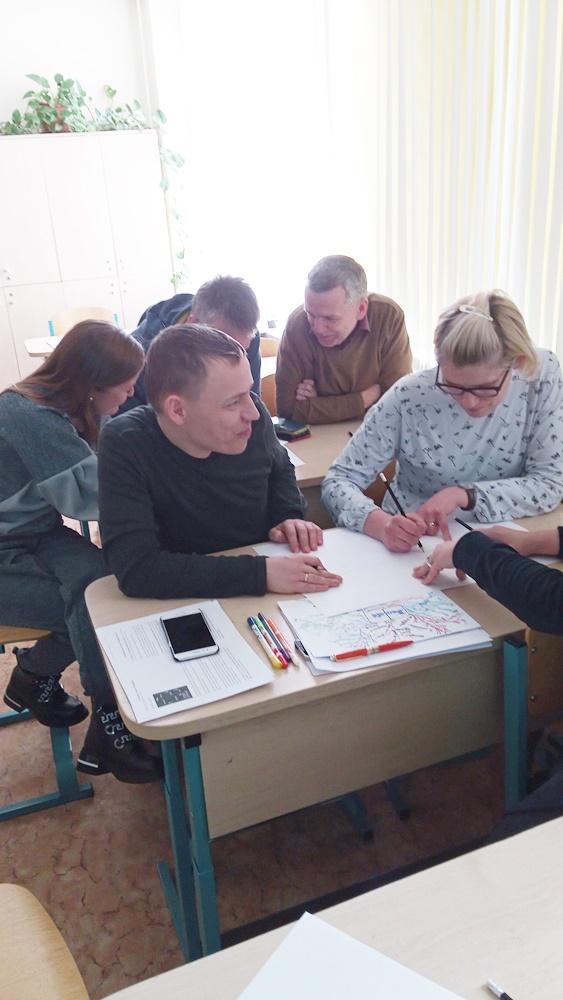
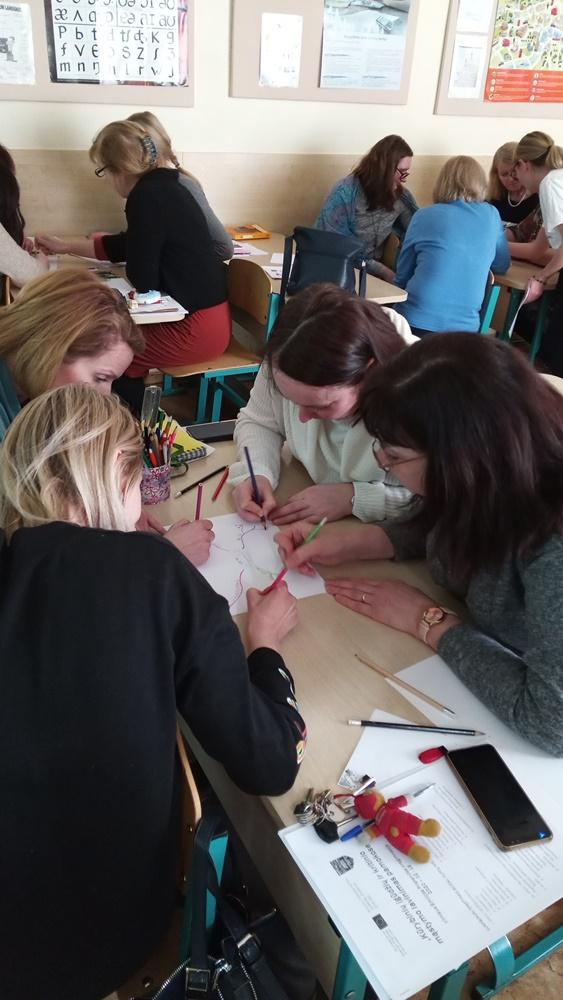
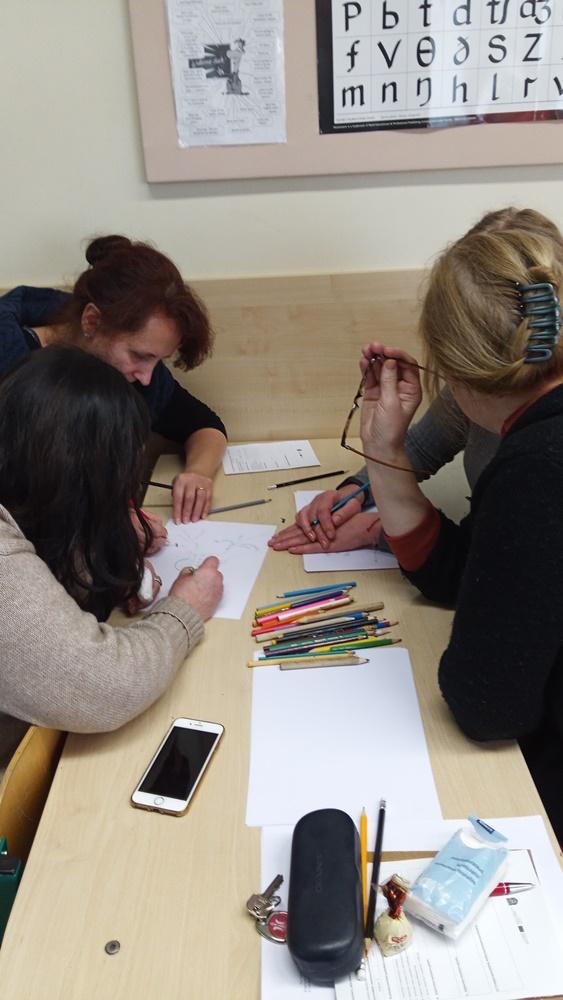
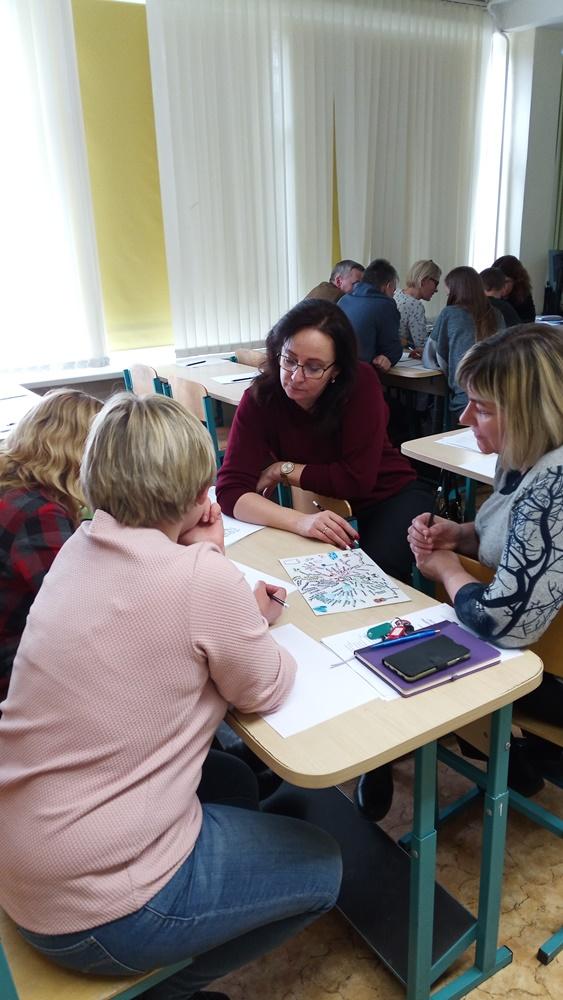
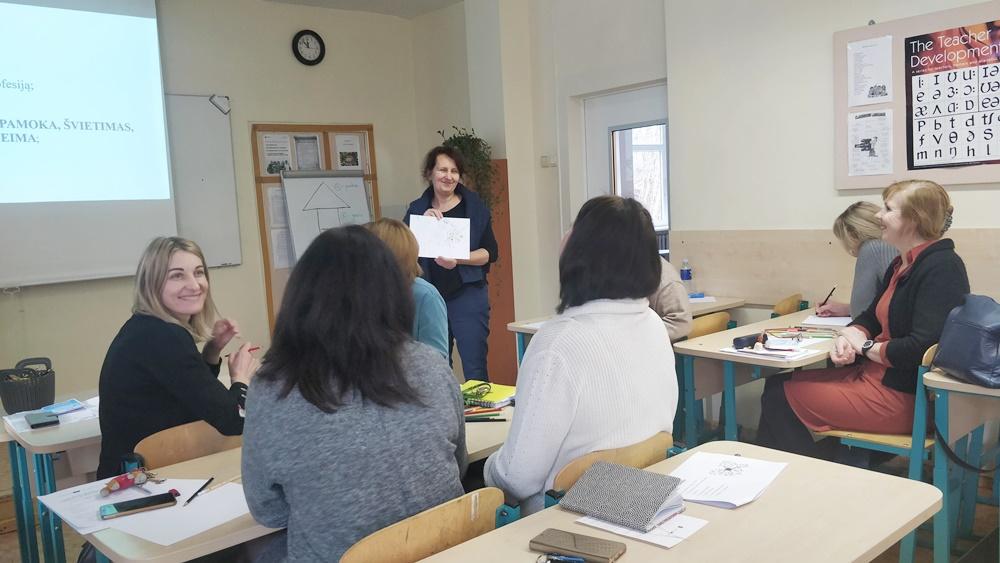
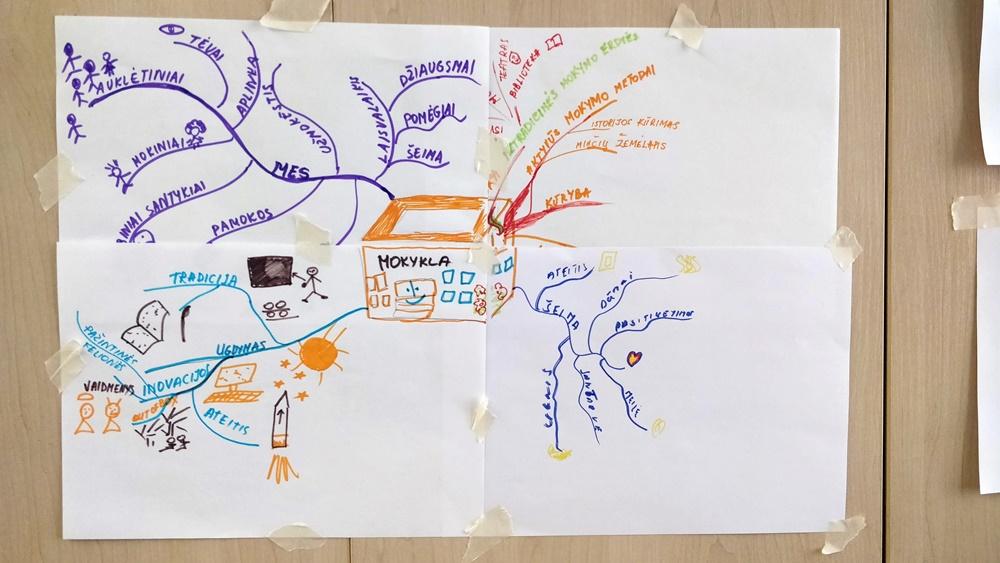
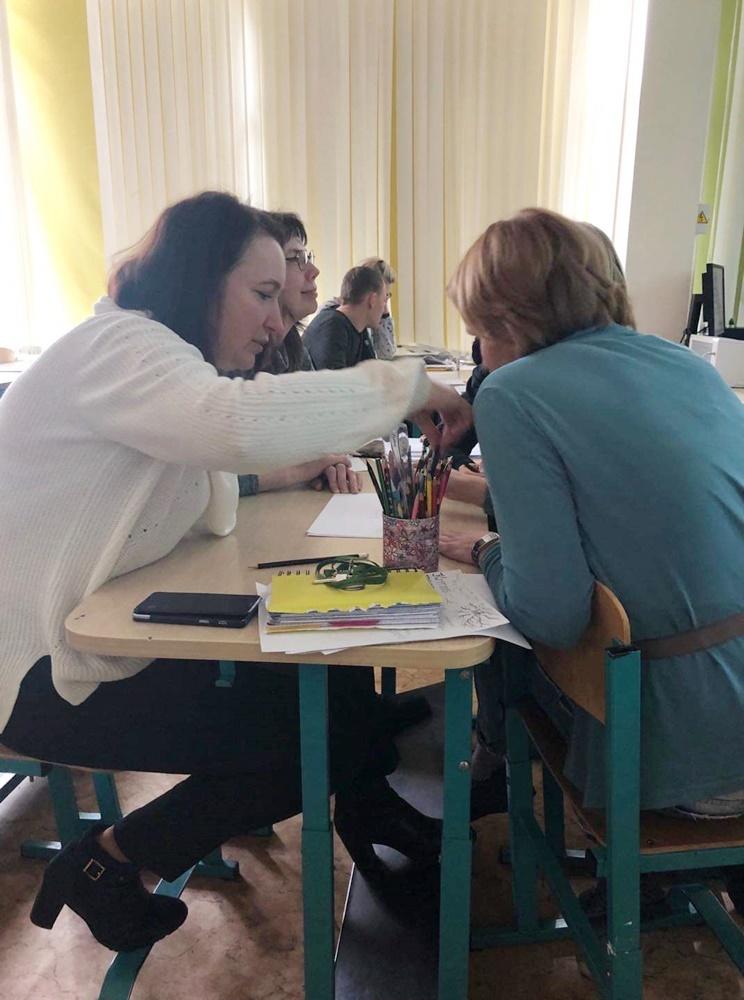
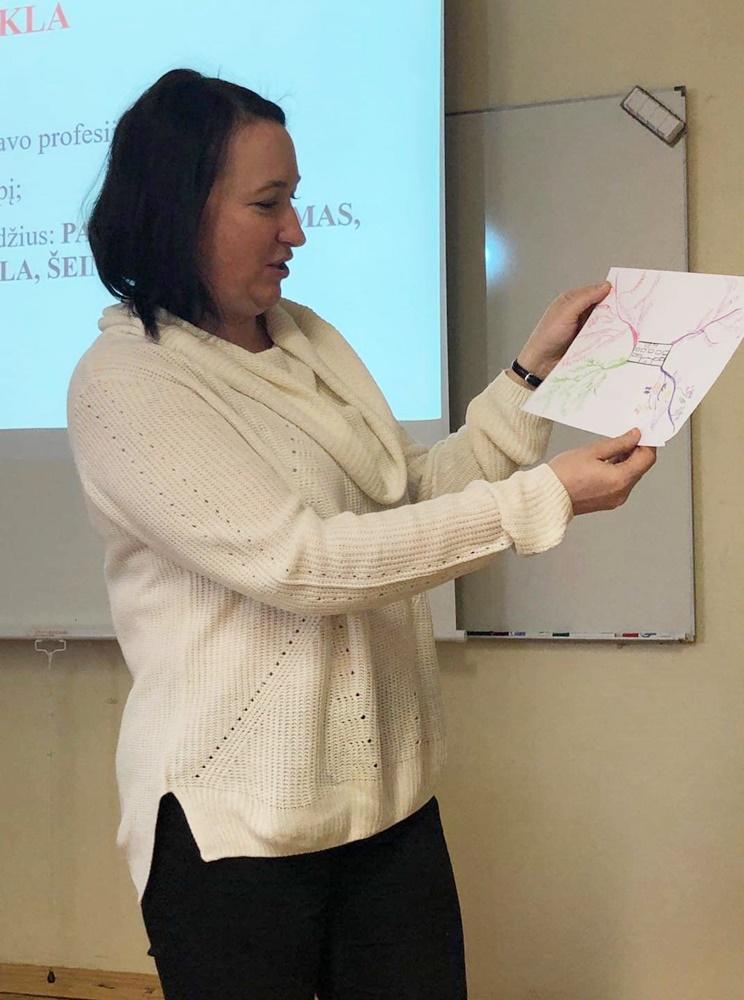
Art and design teacher K. Norkiene introduced Mind Mapping method which can be used to generate, visualize, structure, and classify ideas as well as visually organize information. She presented guidelines for creating mind maps and showed some mind maps that our pupils had drawn during art and design lessons. The teachers had a chance to create mind maps themselves and to evaluate their benefit.

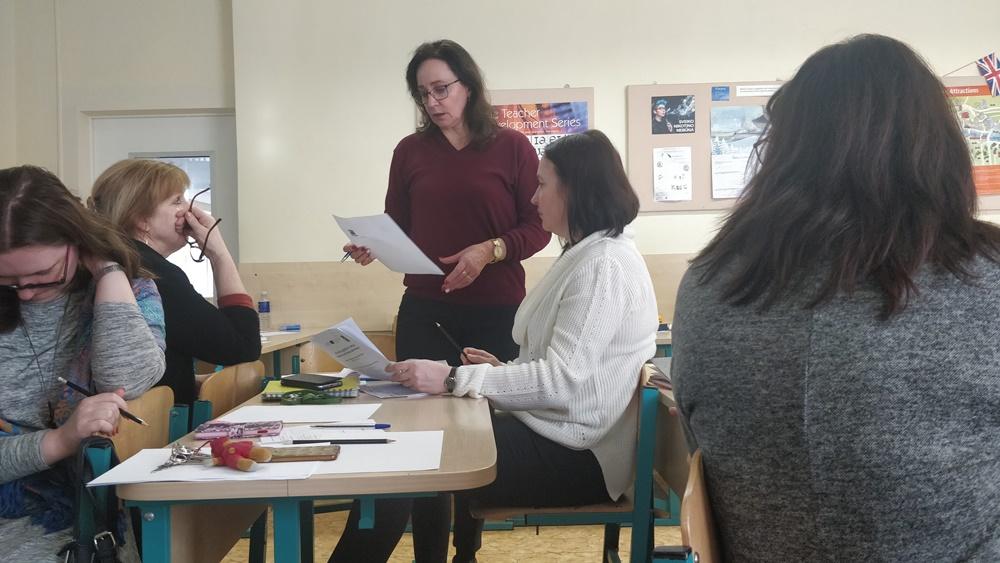
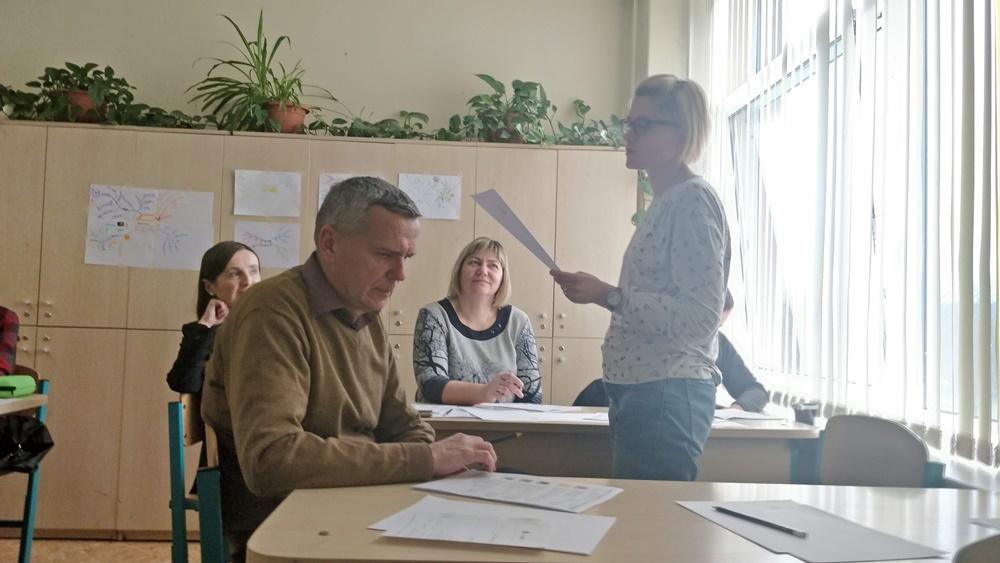
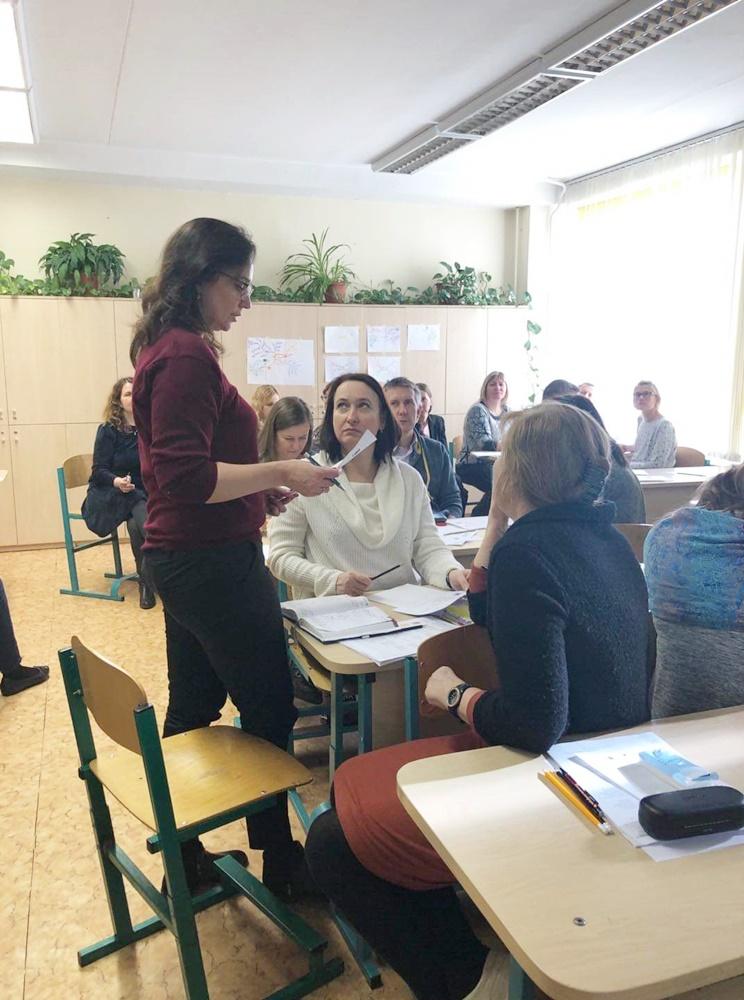
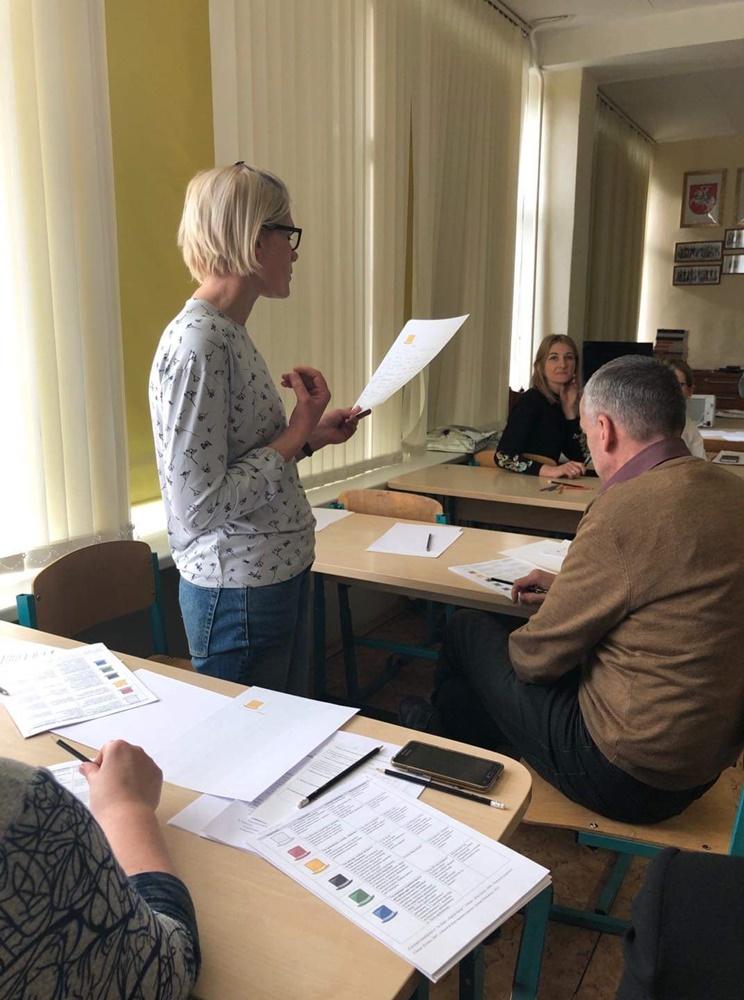
During the workshop the participants not only had some theory on critical thinking, but they also had some practice using methods of critical thinking while writing integrated lesson plans. Later the plans were discussed and improved.

Better learning results will be achieved if we educate a creative and critical-minded student in the classroom. It is important to have knowledge, but it is more imporatant to learn to use the existing knowledge in real-life situations.

The workshop Developing Creative Skills and Critical Thinking in Lessons was very useful and relevant to the school community.

The school continues carrying out the project activities, integrating them into different school subjects.

During February at ICT lessons the pupils were introduced to the rules of how to use the Internet safely and responsibly. The teacher discussed trustworthy and unreliable web pages with the children. She also told the pupils the dangers of cyberspace, how to communicate with people they meet online, and in which situations they can share their private information.

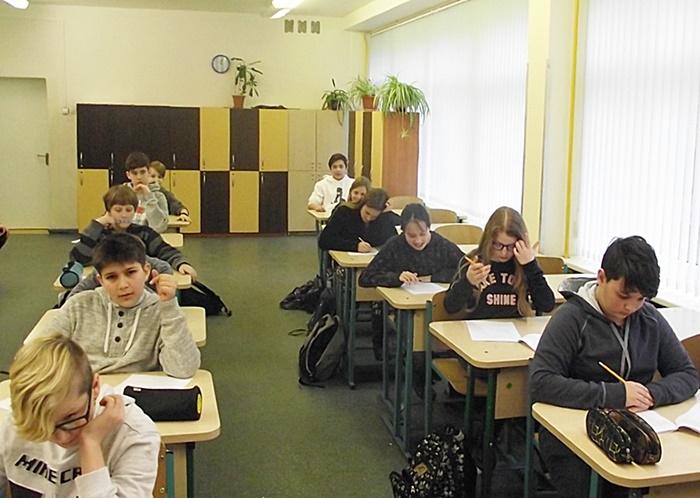
The Project activities were integrated into Lithuanian, ethics, R.E. lessons and prevention activities. During these lessons the pupils did the test on Critical Thinking, Active Learning. 141 pupils were involved in the testing. They read very simple life stories, analyzed 10 situations that took place in different locations: at school, at home, in the city and in the open air. The pupils had to choose the best given answer. All 45 questions required the students to think critically when interpreting the situation.

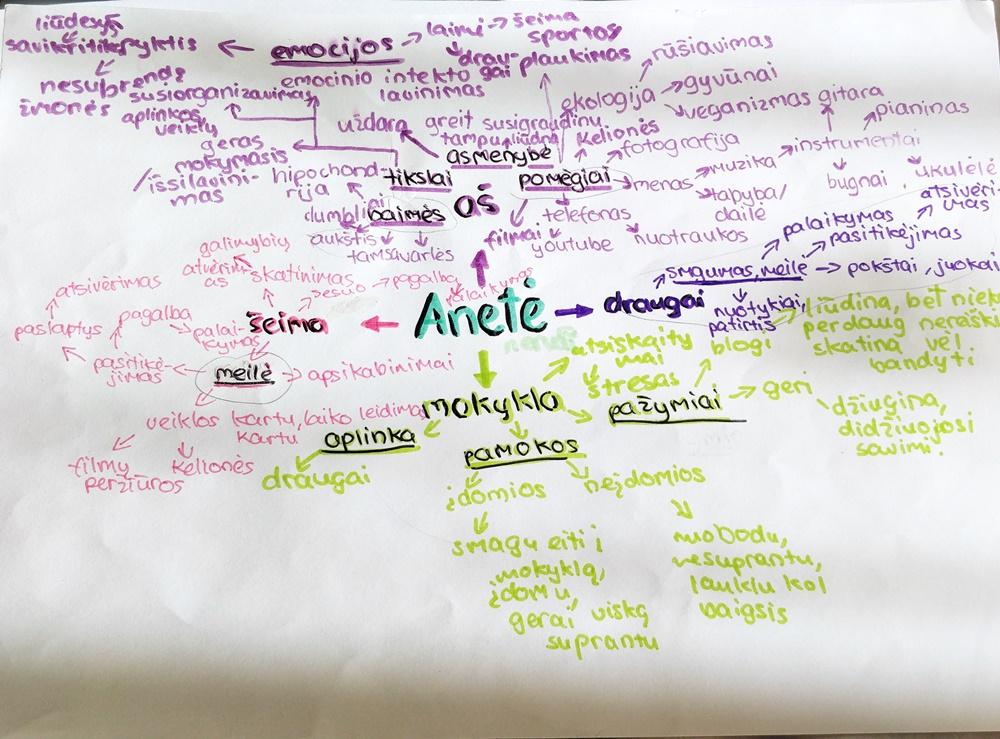
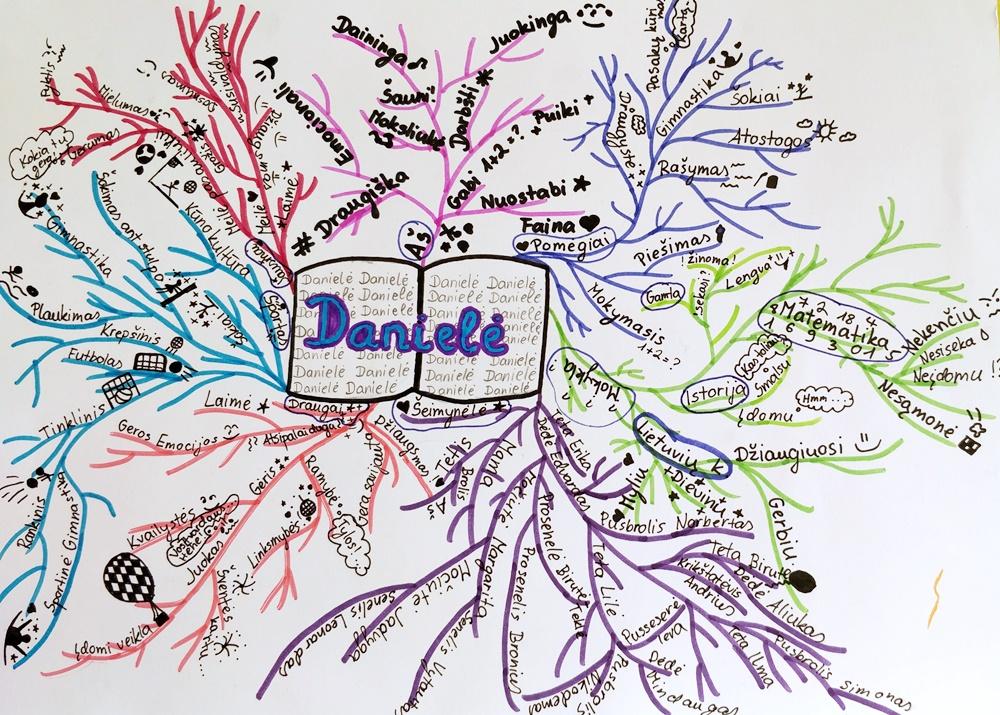
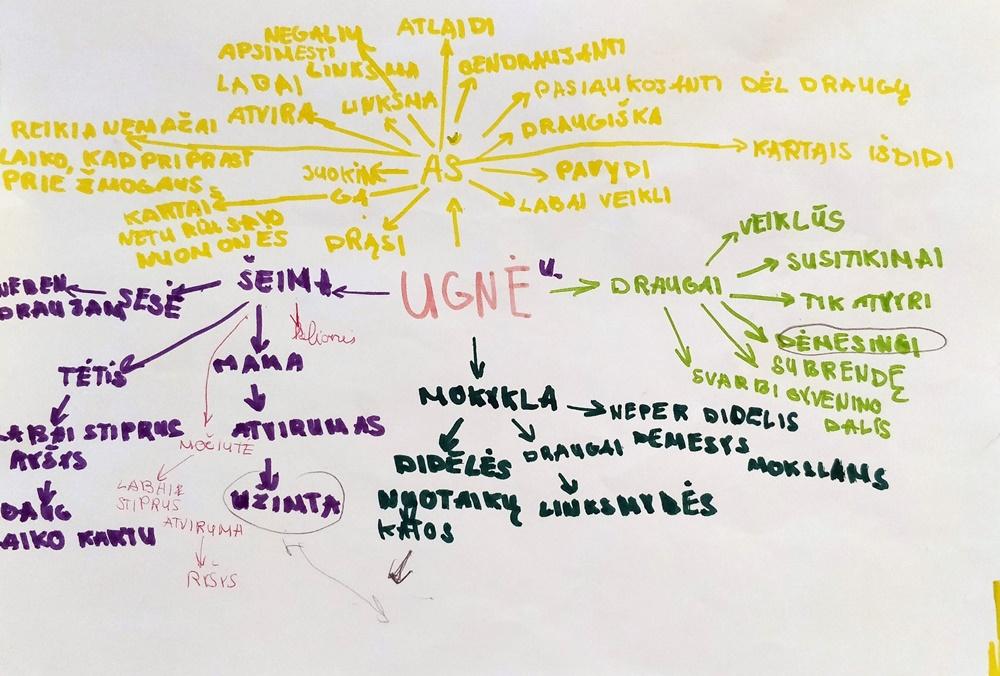
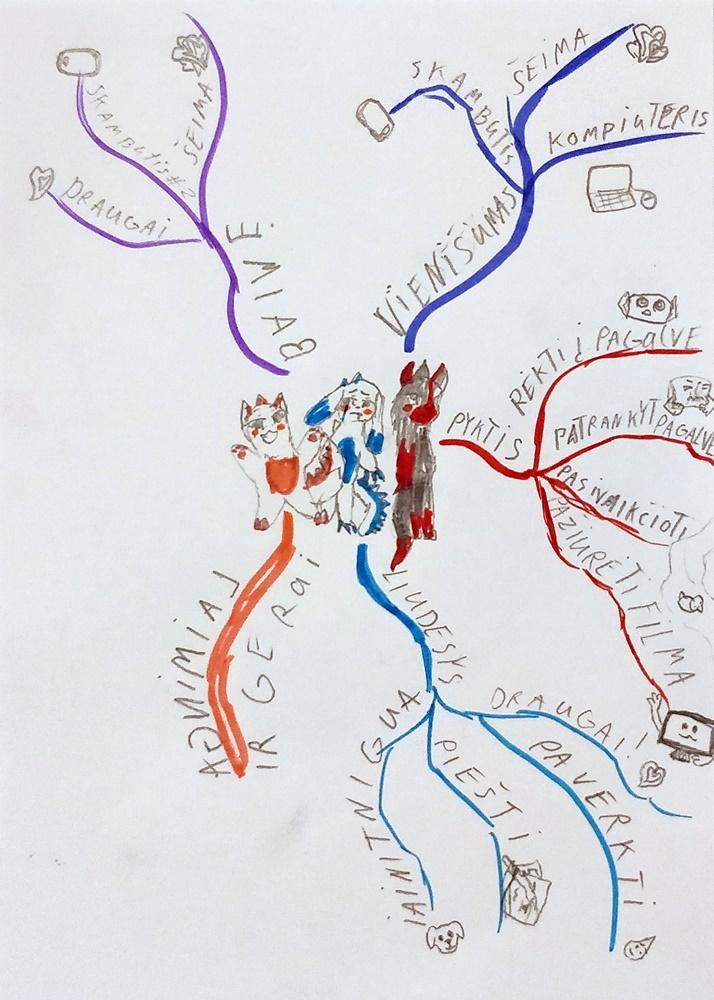
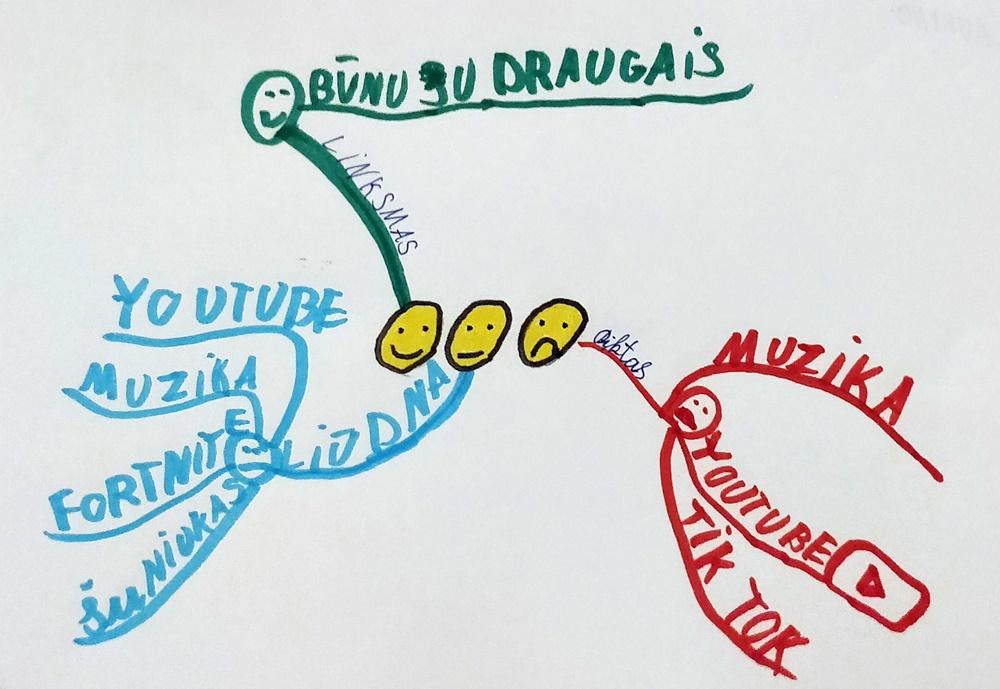
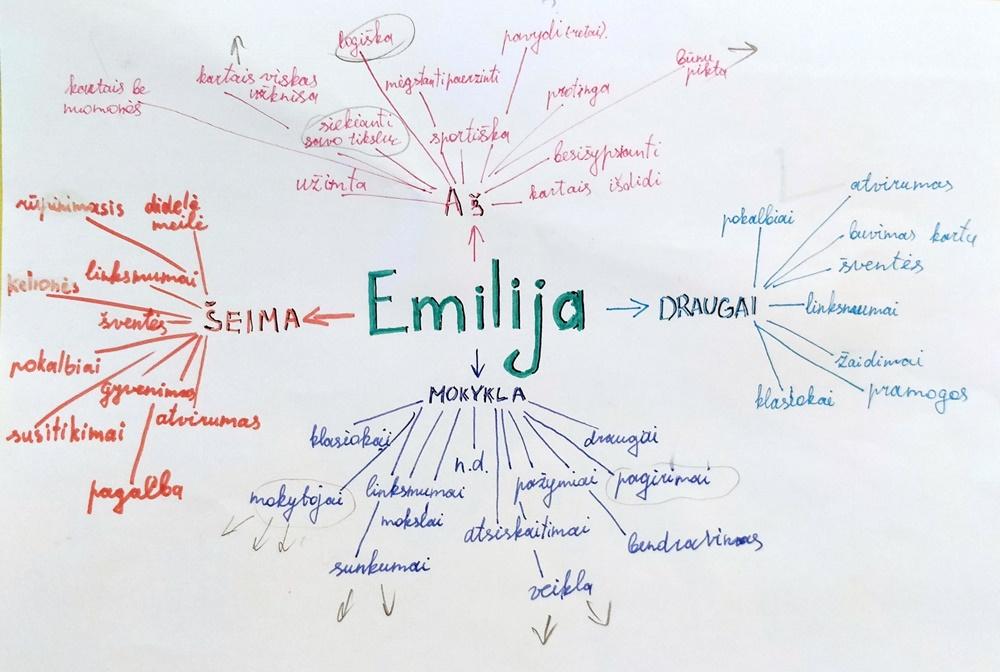
In December and January during art and design lessons pupils made mind maps. The pupils took a critical look at their personality and tried to seek for their identity.
The logotype creation for the Erasmus+ project Skillful Thinking - Active Learning

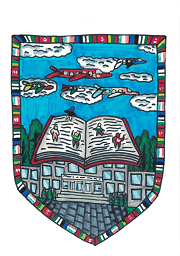
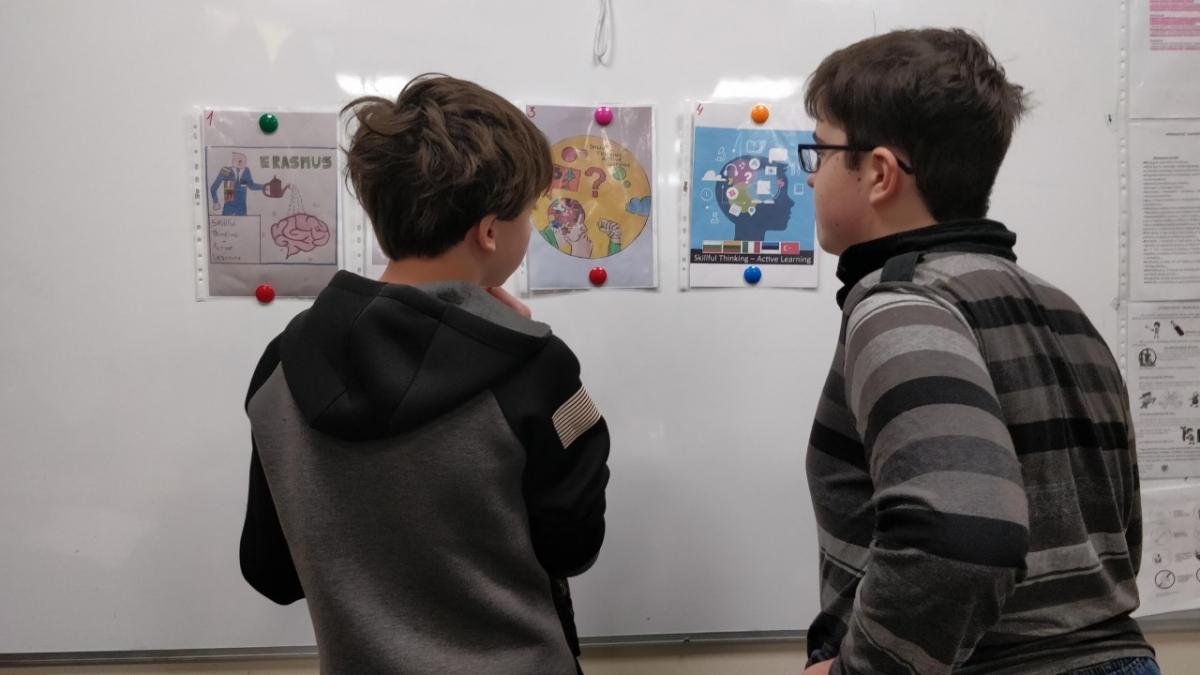
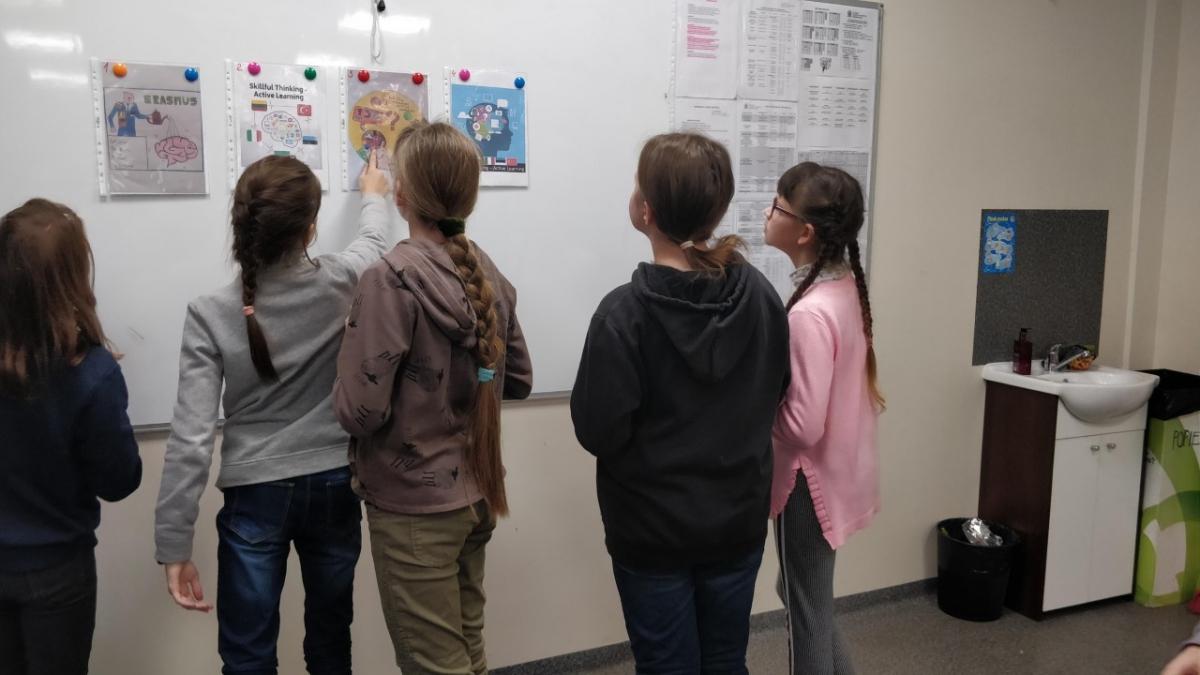
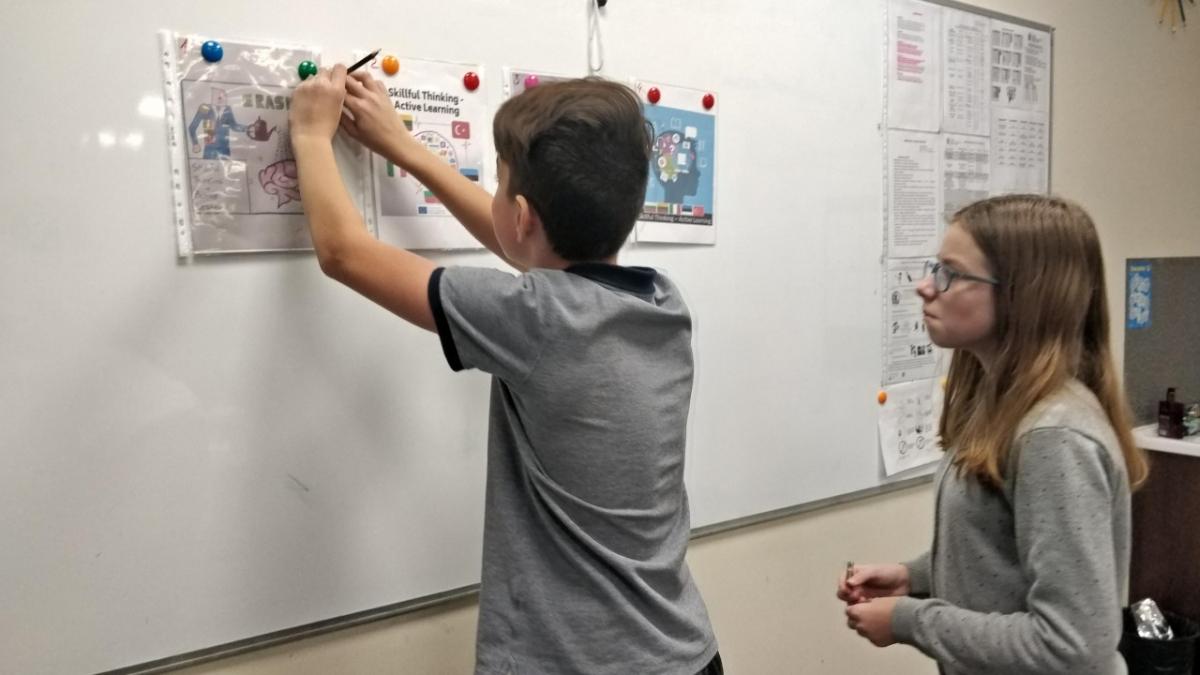
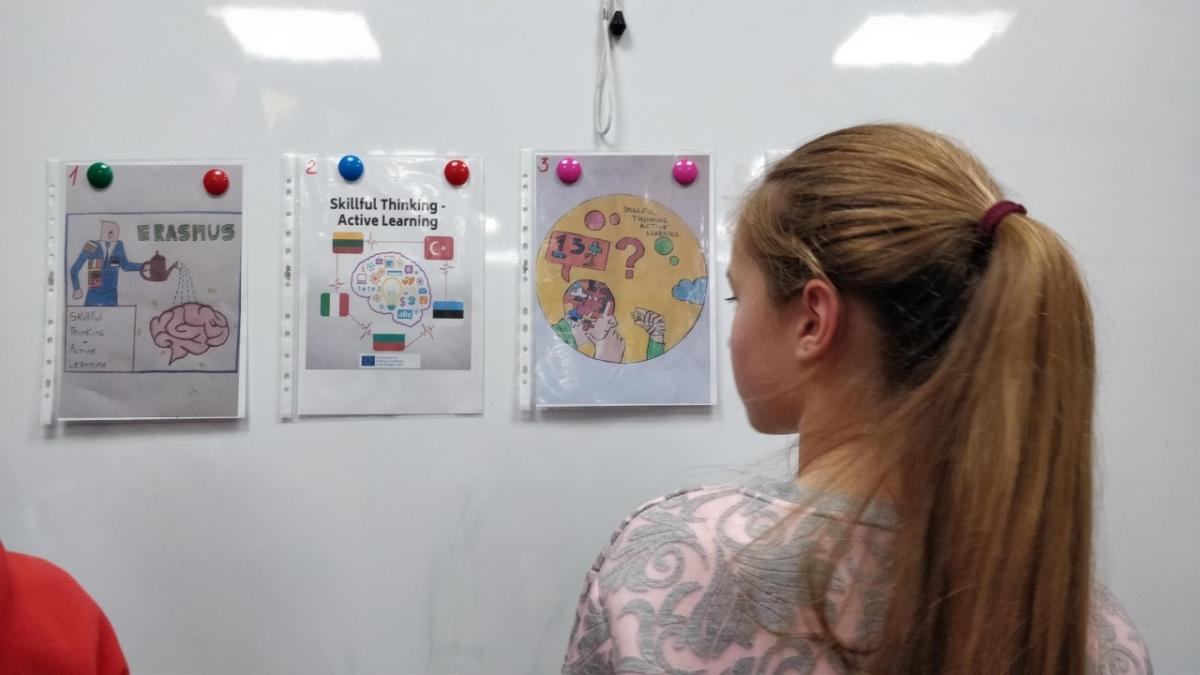
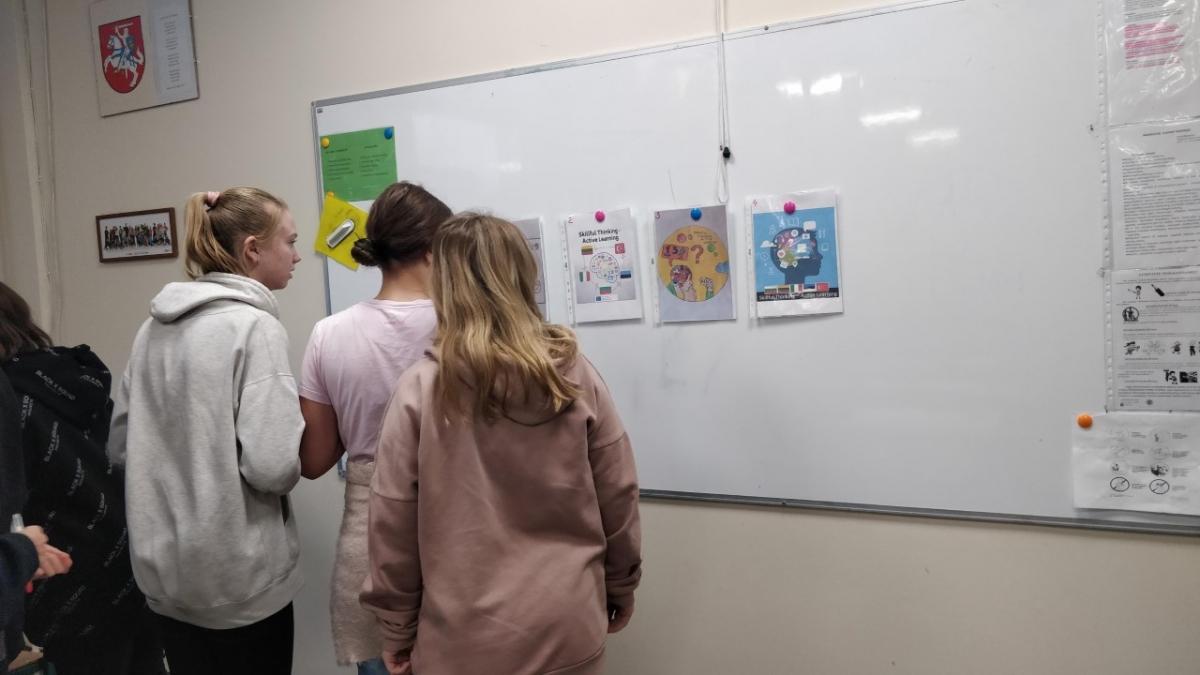
In October grade 6-7 students were given the task to create and elect Lithuania’s best new project logotype. This year theme is Skillful Thinking- Active Learning. Guest delegations from Estonia, Bulgaria, Italy and Turkey are being awaited. Friendship, amity and exchange are important, as well as the flags of participating counties and a movement. The students’ goal is to creatively convey all of this in their logotypes.
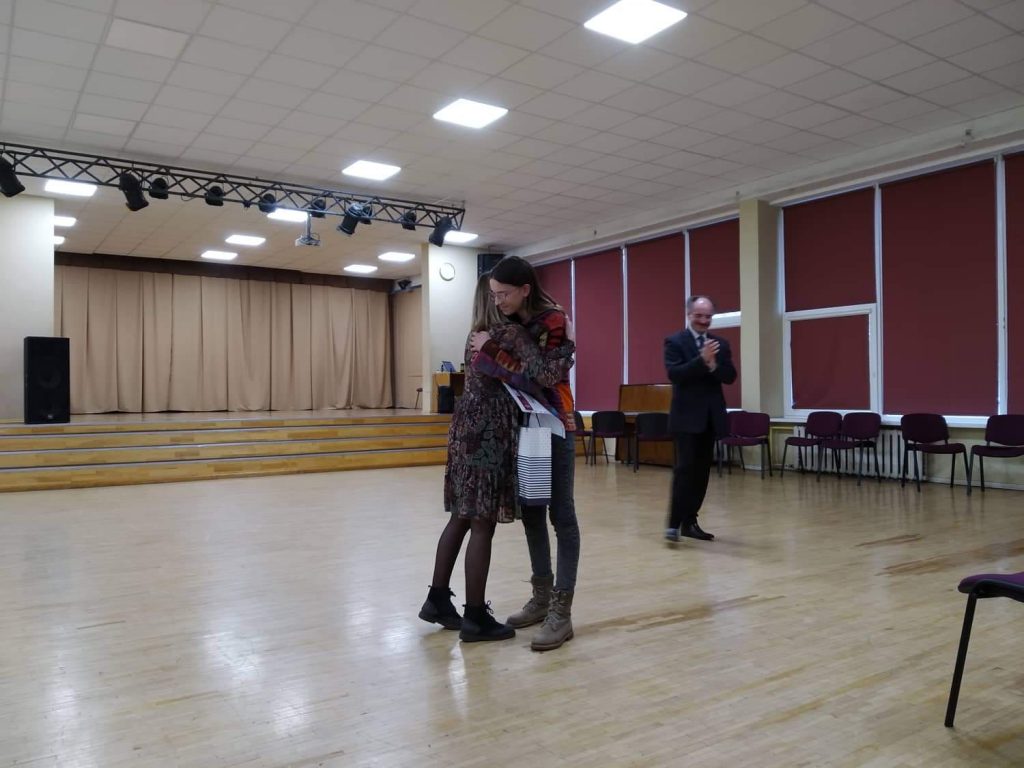
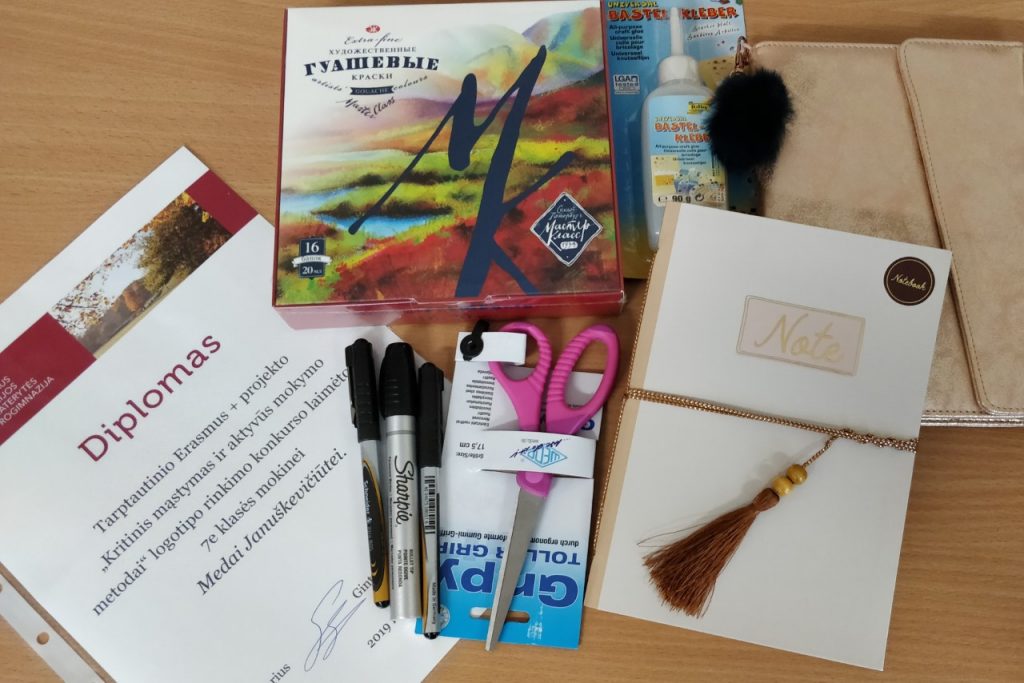
The 7th grade student Meda Januskeviciute  won the competition by an impressive margin. Her logotype was selected by all the students that voted. It conveys the theme and the actuality of the matter very well and makes the meaning of it apparent.

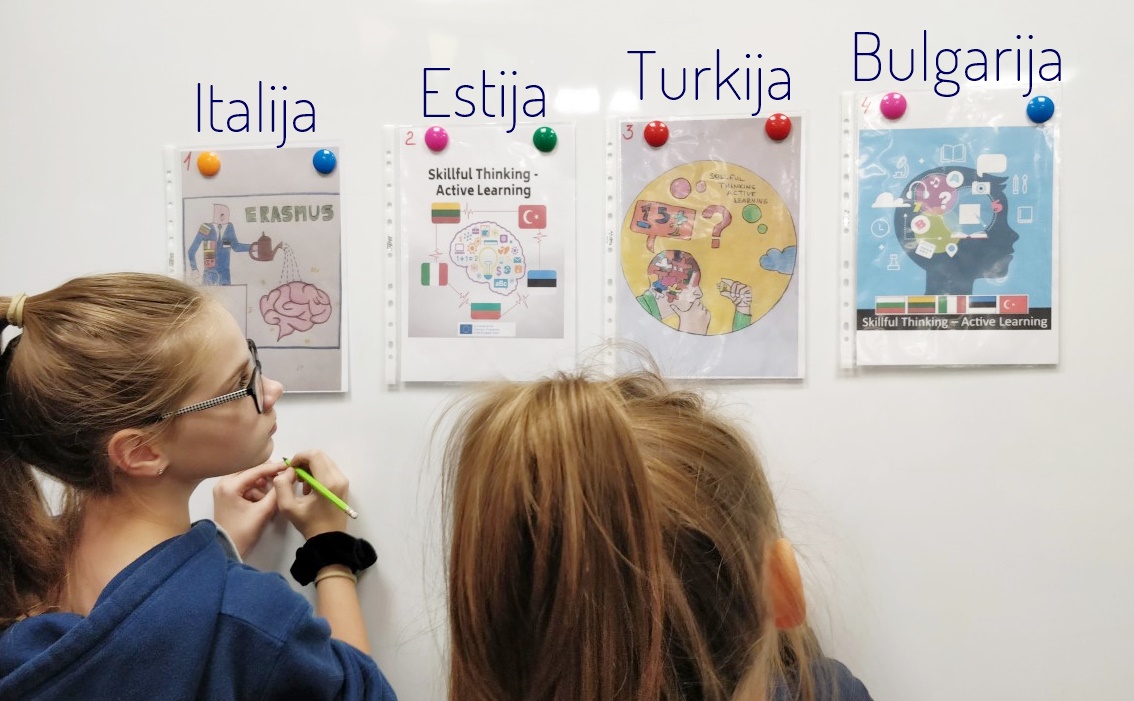
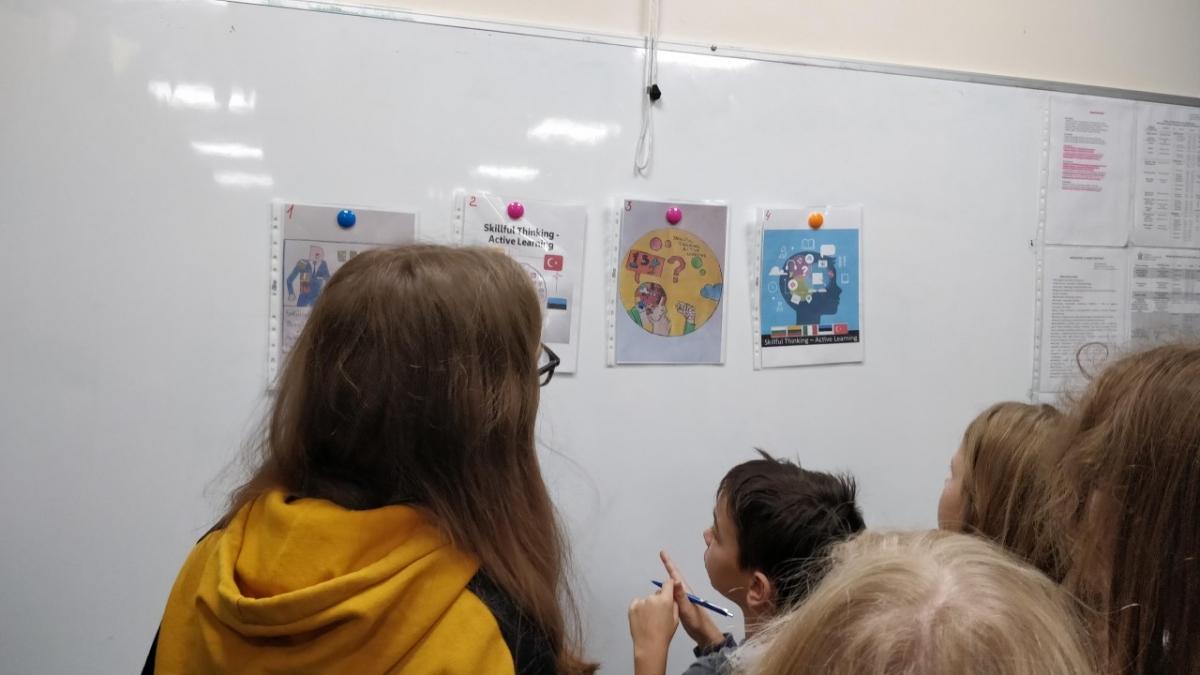
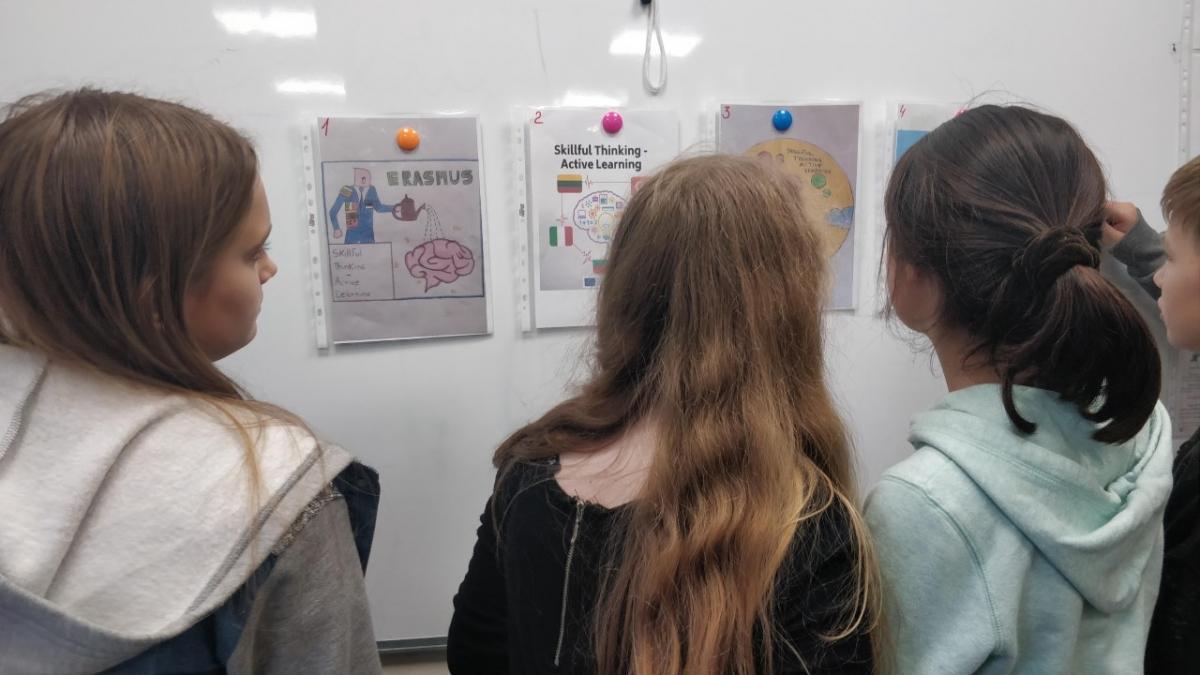
The logotype competition for the Erasmus+ project Skillful Thinking-Active Learning happened on November 18-22. Countries had to choose the prototype that looked the best.

Our school students  voted for the best logotype of project partners- Estonia, Bulgaria, Turkey and Italy’s. After counting the votes, it was apparent, that our students have chosen Bulgaria’s logotype as the most appealing. After counting all the project’s votes, it was clear that our student’s Meda Januskeviciute’s drawn logotype had been chosen to be the international project’s winner. Congratulations to Meda.

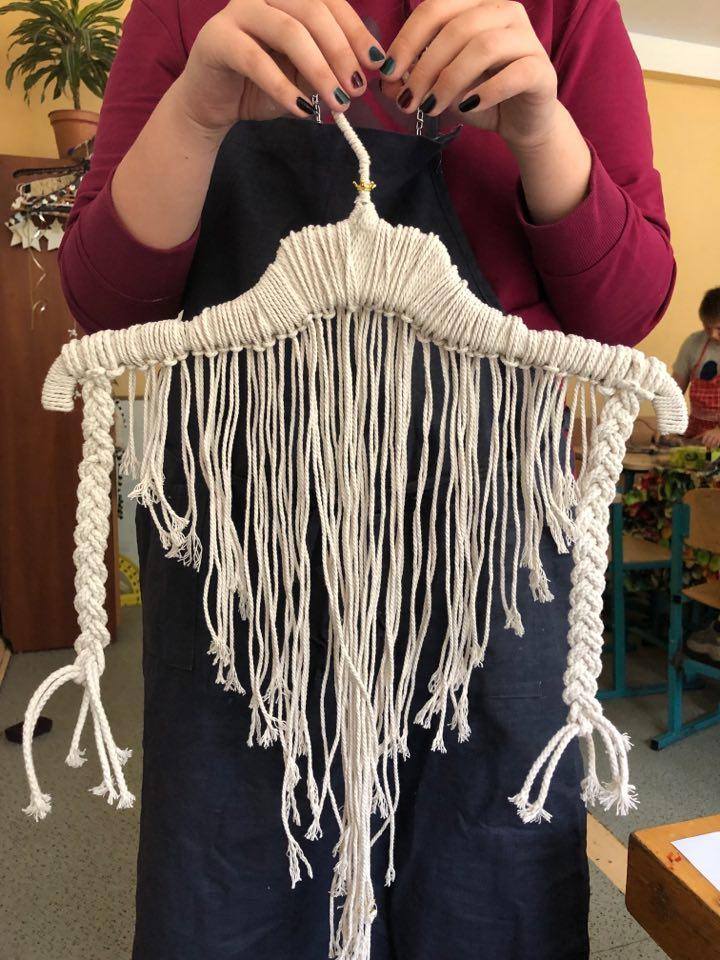
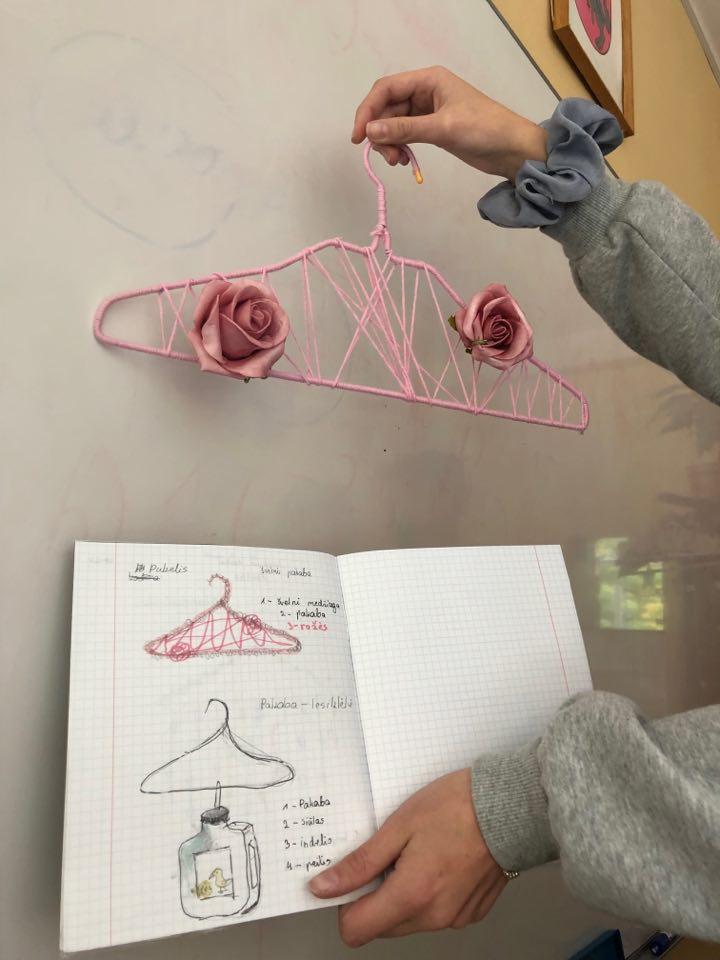
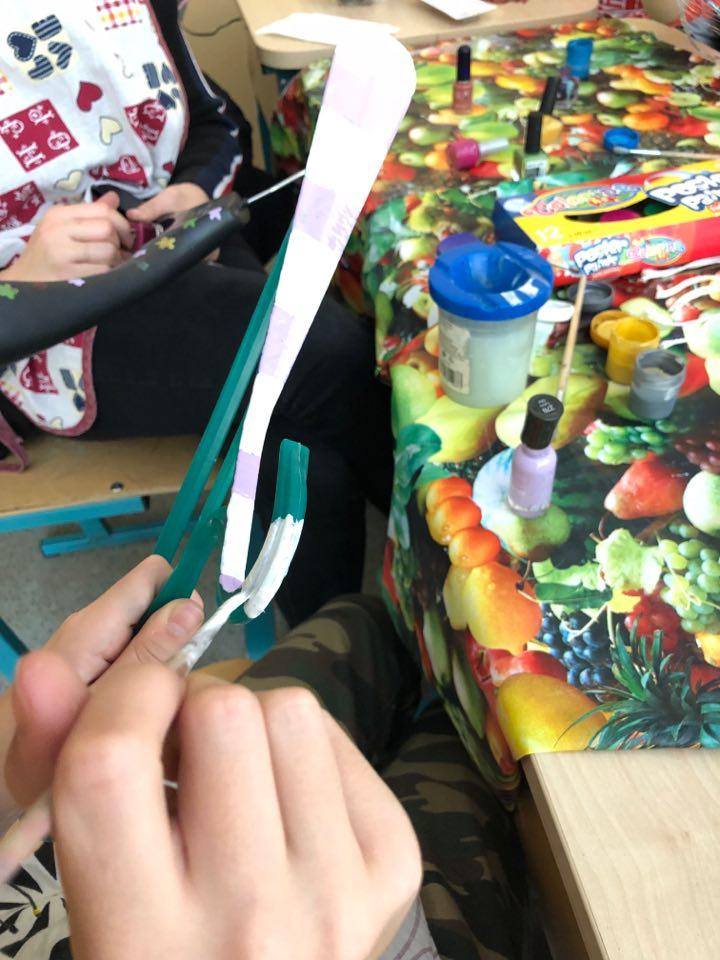
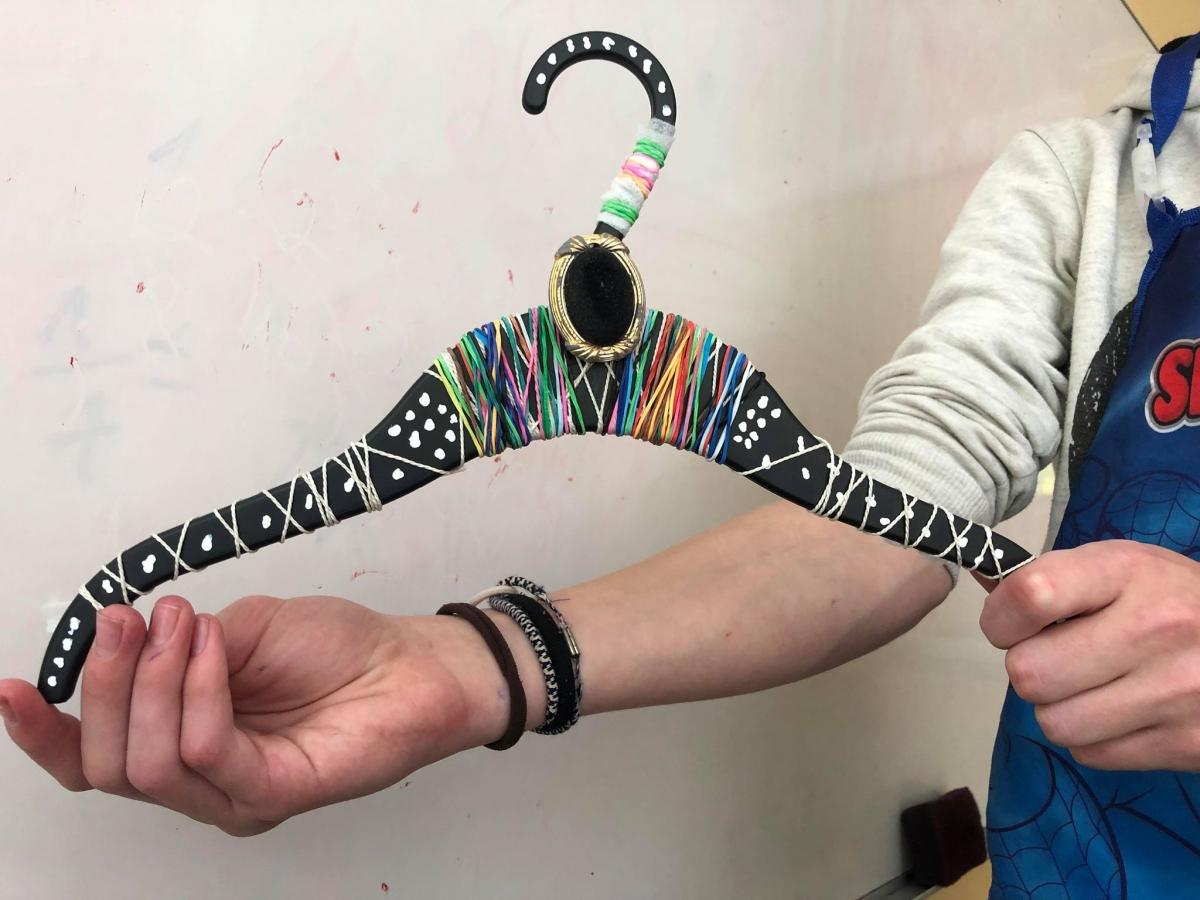
REDIMEIDAS ready-made Clothes Hanger changes purpose

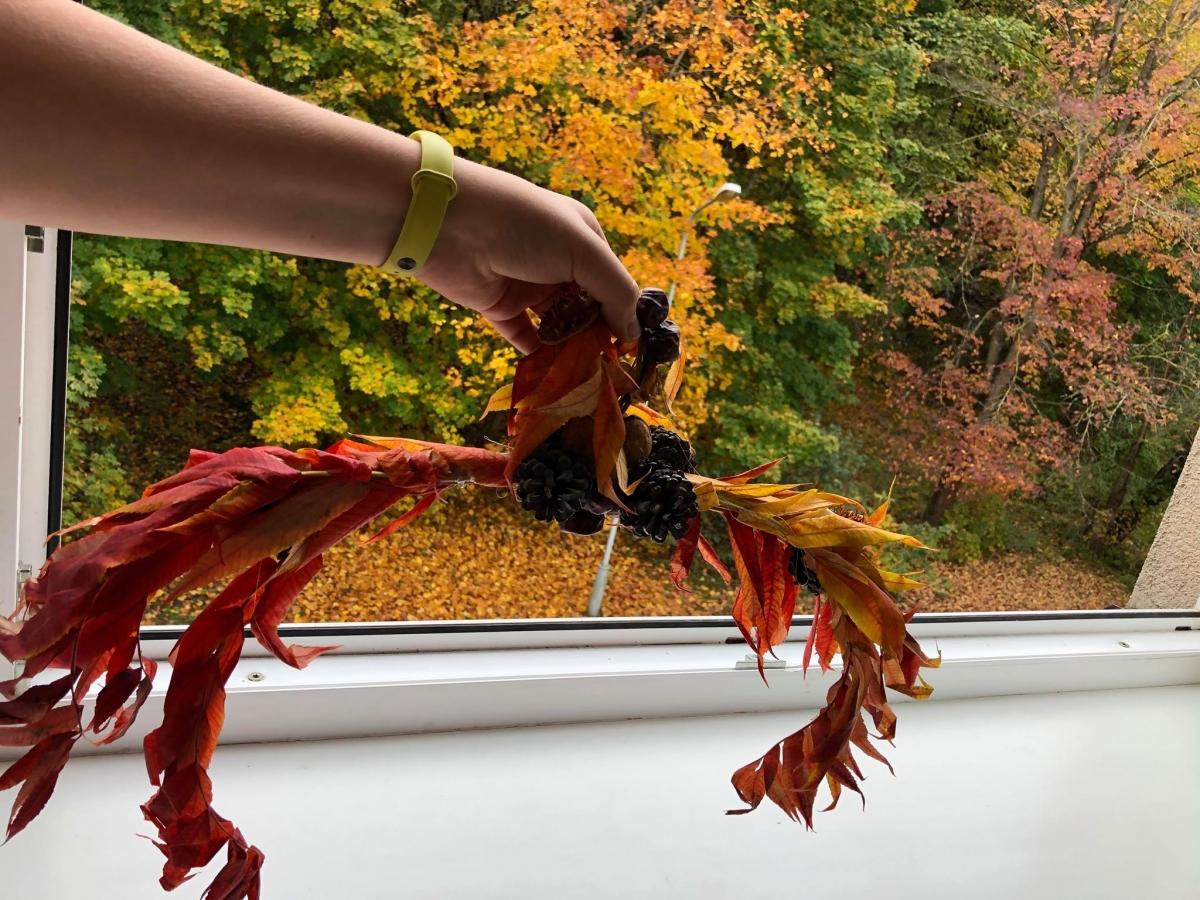
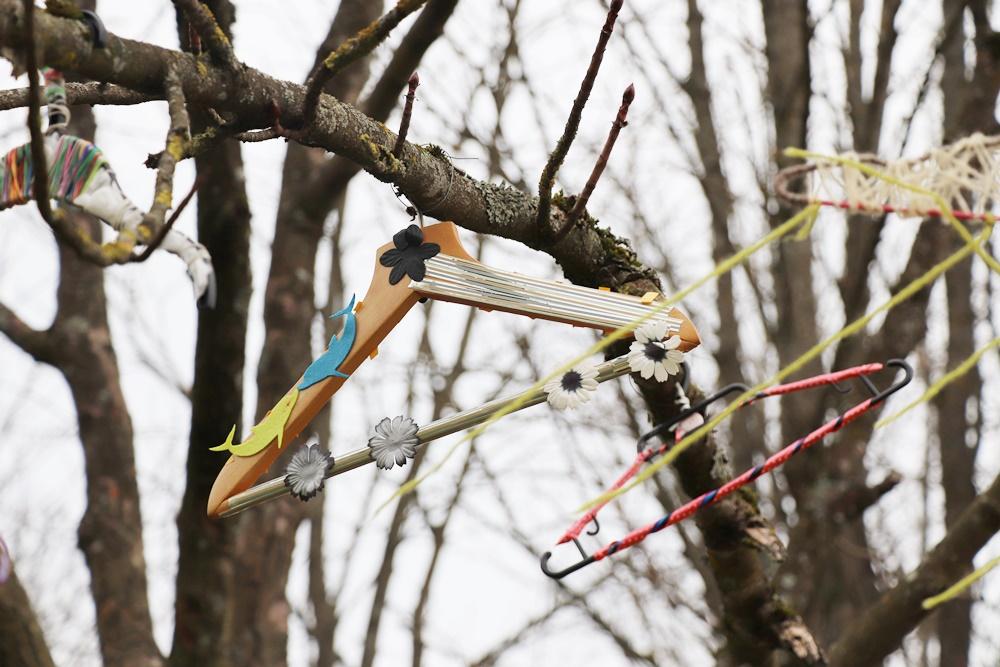
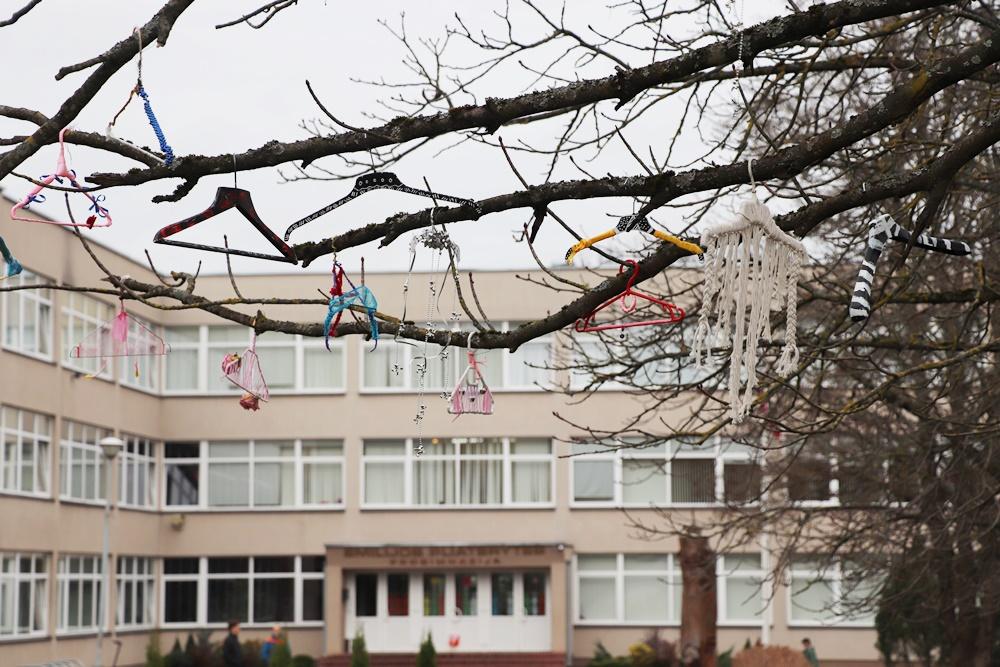
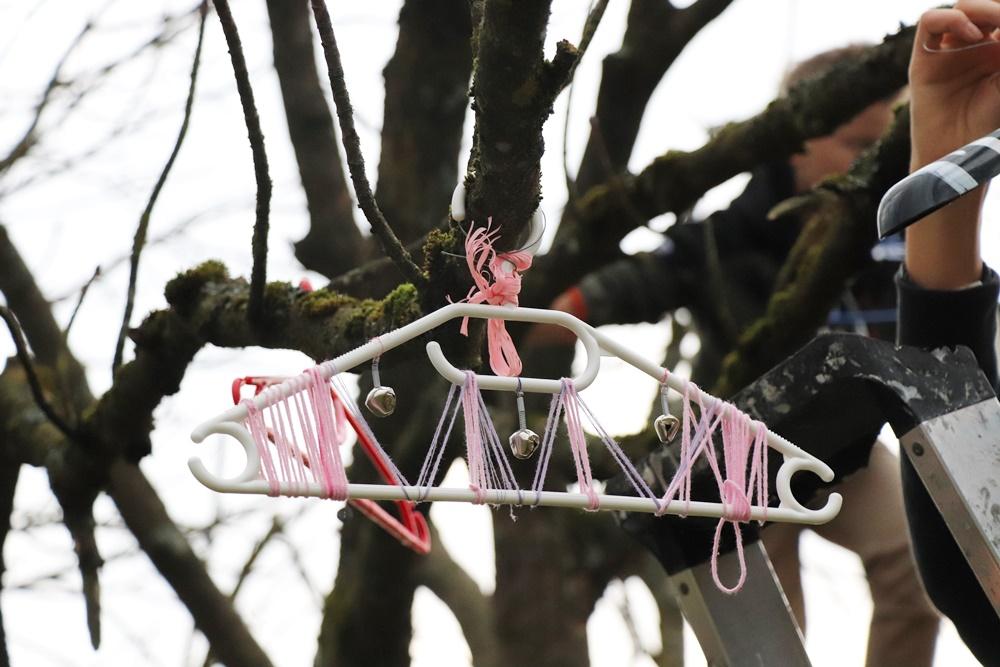
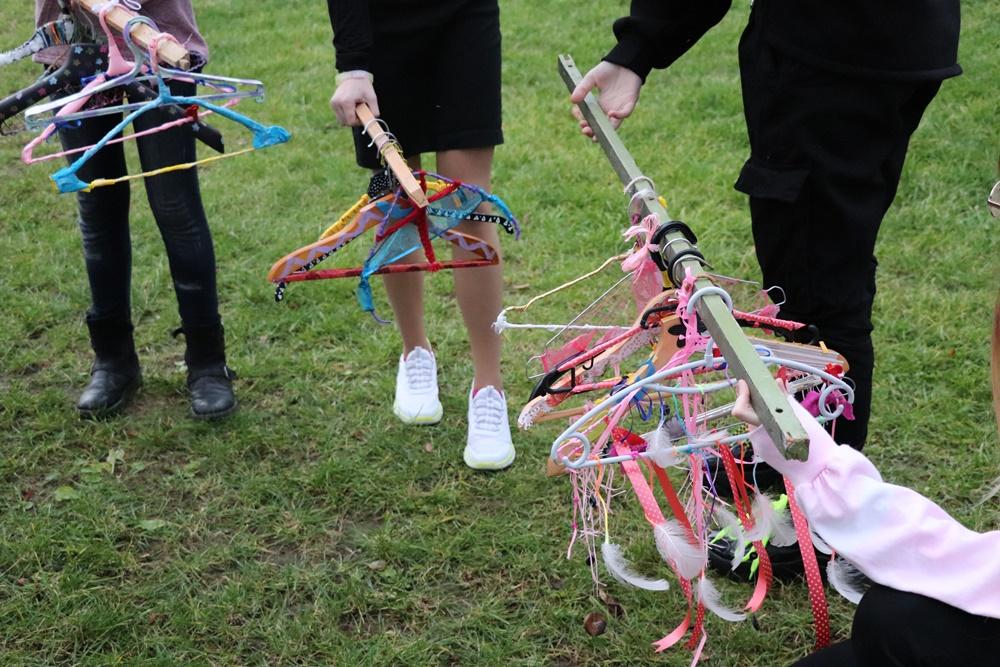
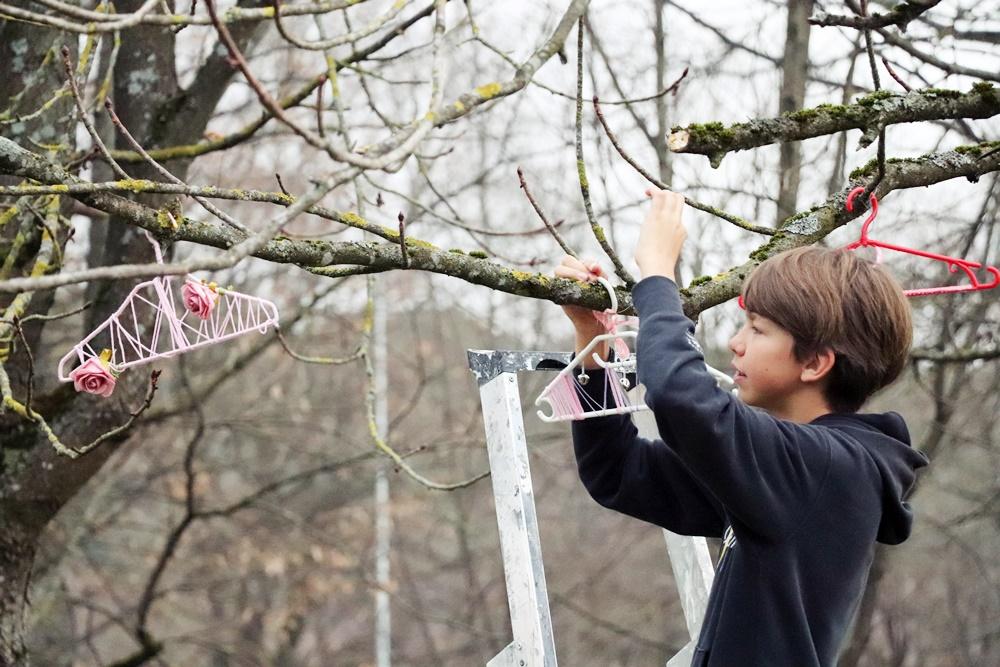
After the first frost, the trees drop their leaves. During the technology lesson, eighth grade students, using imagination and critical thinking, transformed an industrial consumption item (clothes hanger) to an artistic level and outfitted a tree. It’s interesting what associations you will have with a hanging tree. The unrecognizable changes in the traditional hangers we use to hang our clothes every day have become works of art.


Let it be the Light

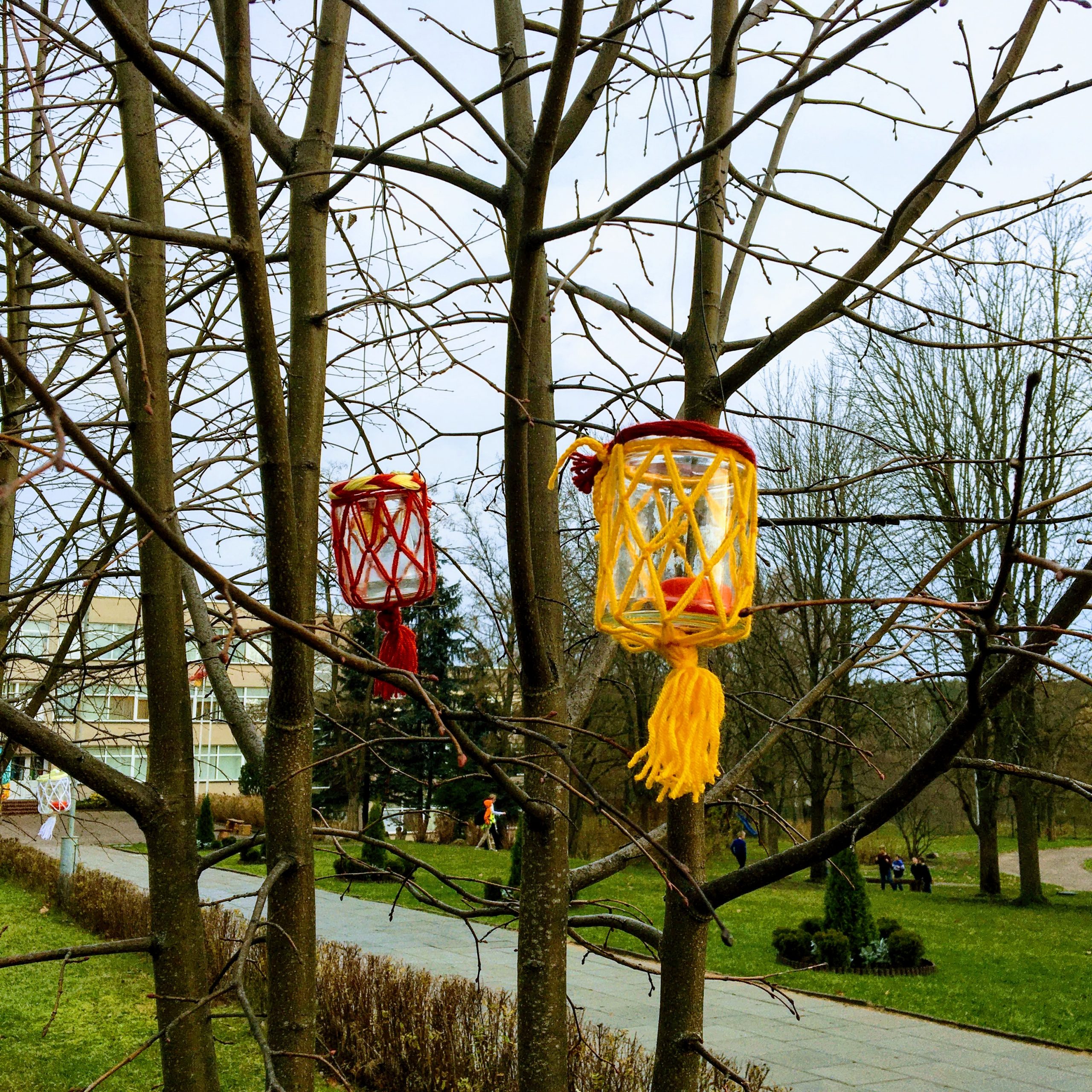
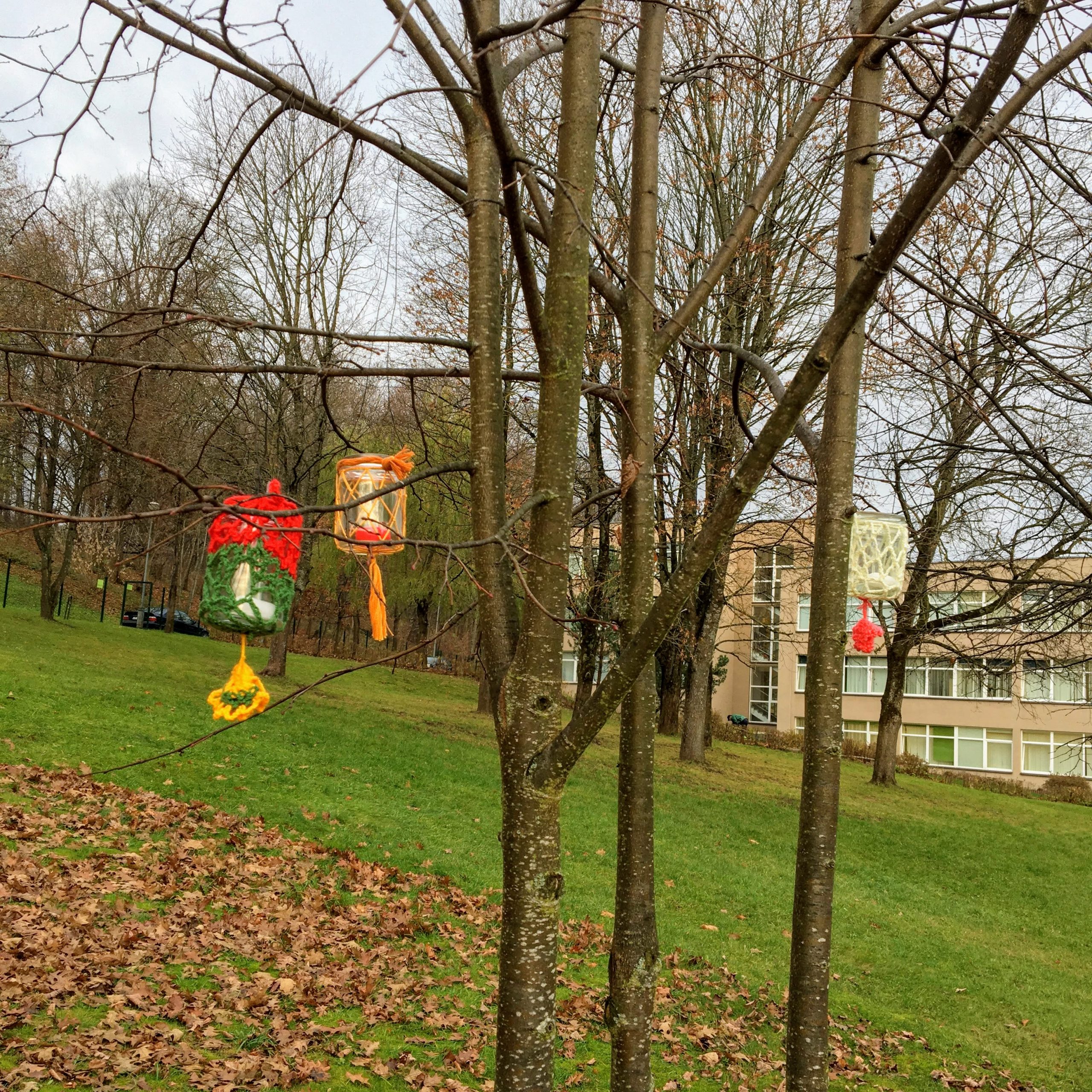
Sixth graders made lanterns from used jars, weaving and crocheting their beautiful cradles of colourful threads using critical thinking and creativity.